
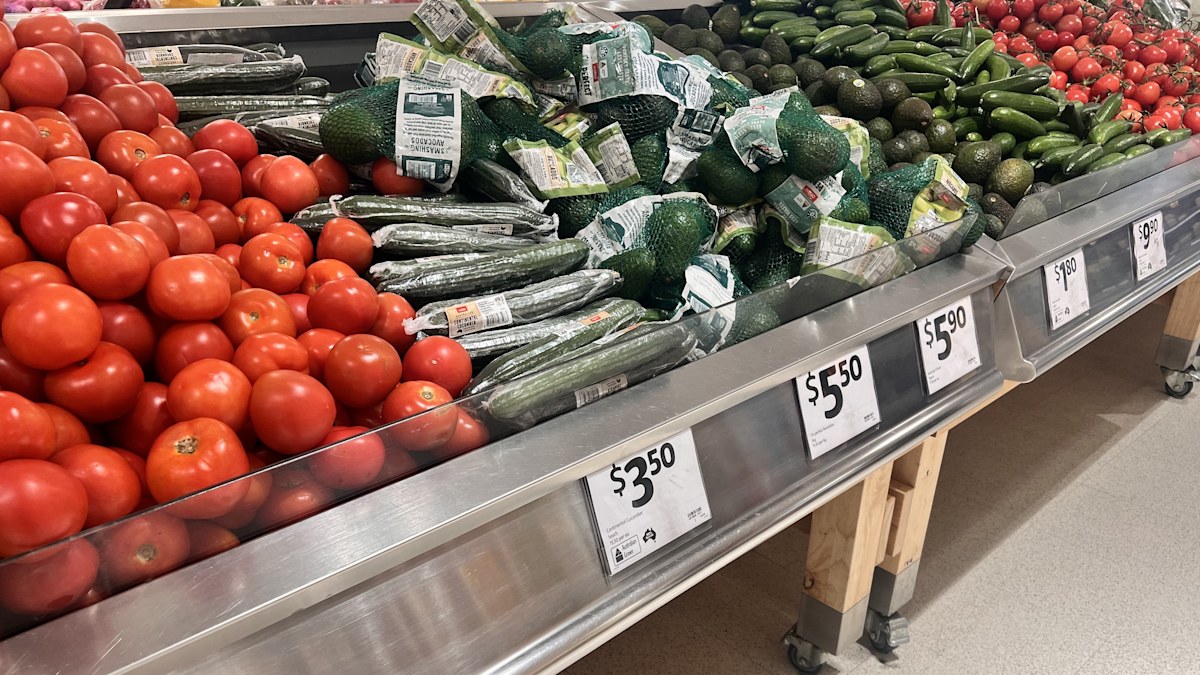
Avocados have more than doubled in price after floods wipe out crops in one growing region in Australia, and a cold snap delayed another, bringing an end to huge savings on the breakfast staple.
After plummeting to just 99 cents each during an over-supply in the early season, popular Hass avocados have bounced back up to $2.50 each at major supermarkets.
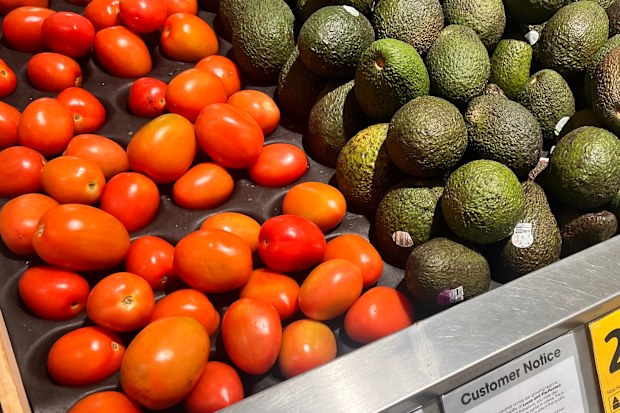
A double hit of adverse weather has sent supermarket avocado prices soaring across Australia. Jo Abi
Anton van den Berg from community fruit and vegetable wholesaler Box Divvy said despite expecting bumper crops over the medium term, growers and wholesalers have warned short-term supply would remain tight.
“Queensland is finishing early (they lost a lot of fruit to flooding in March) and New South Wales growing regions around Coffs Harbour had a slow start due to cold and wet weather,” van den Berg told nine.com.au.
“In addition, avocado exports are at record levels, so there is less fruit available for domestic markets.”
How Coles, Woolworths, and Aldi compare on price right now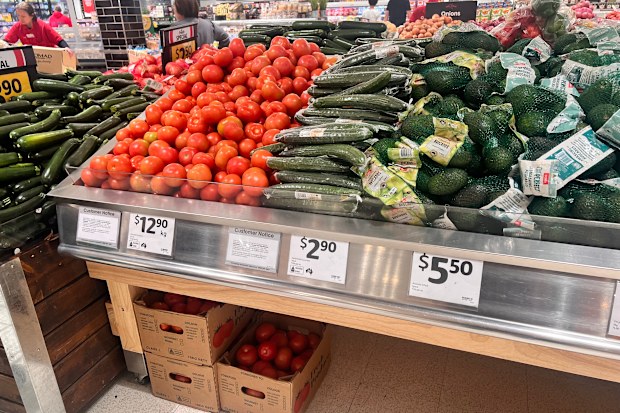
Prices are expected to fall again over the next two months. Jo Abi
Current supermarket shelf prices reflect the tight national supply, though significant differences exist depending on where shoppers choose to fill their trolleys.
Coles is selling Hass avocados at $2.50 each, while Woolworths sits slightly lower at $2.20, and Aldi offers them for $1.79.
Wholesaler outlets such as Box Divvy have them priced at $1.50 each. Meanwhile, Aldi is offering North Queensland Gmax avocados at $2.49 each as the Shepard season wraps up, though industry experts note that overall prices should begin easing within the next month or two as mid-season supply steadies.
Export boom and seasonal weather disruptions pressure local supply
Strong overseas demand is also leaving fewer avocados for Australian consumers, with export volumes currently reaching record highs.
RaboResearch senior food analyst Michael Harvey highlighted that although long-term domestic production was growing due to expanding acreage, annual yields fluctuate naturally.
Harvey told nine.com.au the Australian avocado industry was producing more and more each year, but avocado production was “not a linear trajectory because you have alternate bearing crops”.
“Generally speaking, we’ve got more acreage planting and as they mature, we’ve got more fruit, which means greater volume, which generally means we’ve got more volume than we need for the domestic market, so you’ve got export market growth,” he explained.
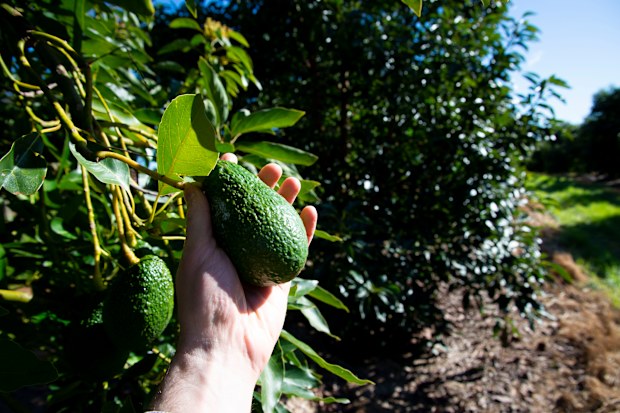
‘We’ve got more acreage planting and as they mature, we’ve got more fruit, which means greater volume.’ iStockphoto
RaboResearch also cited the current El Niño weather pattern as a cause for concern for local crops.
“There is always risks because El Niño is an ongoing risk at the moment and that’s going to have an impact on certain food commodities, and it could impact production where you get a major weather disruption that is local production. It’s not what we’re seeing at the moment, but that’s the risk.
“But the key story is we’ve had record high avocado prices over the last six years ago. That’s not the case at the moment because there are plenty of avocados around.”
Harvey said long-term national avocado supply remained resilient, as Western Australia and New Zealand helped plug seasonal production gaps throughout the year, although our reliance on New Zealand crops had lessened thanks to increased production in Western Australia.
The best produce deals to swap into your shopping basket
While avocados and cucumbers face temporary price pressure and capsicums tighten slightly, grocery shoppers can balance their weekly budget with plenty of affordable seasonal vegetables.
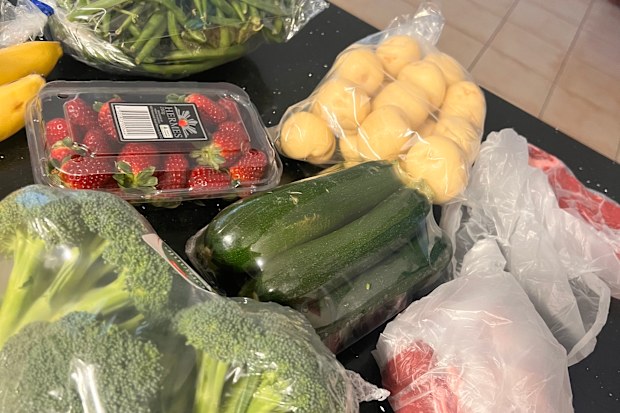
Grocery shoppers can balance their weekly budget with plenty of underpriced seasonal vegetables. Jo Abi
Broccoli prices have dramatically dropped from $7 per kilo down to around $4, while Field and Roma tomatoes remain great value at $5 per kilo.
A wide range of everyday staples including pumpkins, potatoes, onions, eggplant, zucchini, spinach, carrots, and beetroot are currently selling at or below their seasonal averages, offering shoppers affordable fresh food options while fruit supplies recover.