
For example, one reference could use the word “honour” while another might say to “give effect to”.
In a scathing report, the tribunal said the policy could cause “real harm” to Māori welfare and the Māori-Crown relationship.
The tribunal, which has been heavily criticised by the coalition amid claims it is becoming increasingly “activist”, said the legislation included in the review had sought to combat some of the “pressing problems” facing Māori.
“For example, Māori will be and already are disproportionately harmed by the effects of climate change. Māori have consistently shorter life spans than their non-Māori counterparts,” the tribunal said.
“Any reduction of the focus on the needs of Māori within the legislative and policy settings relevant to these issues will not simply be detrimental to Māori interests in a theoretical sense.
“These changes could result in real harm, and potentially the loss of Māori lives.”
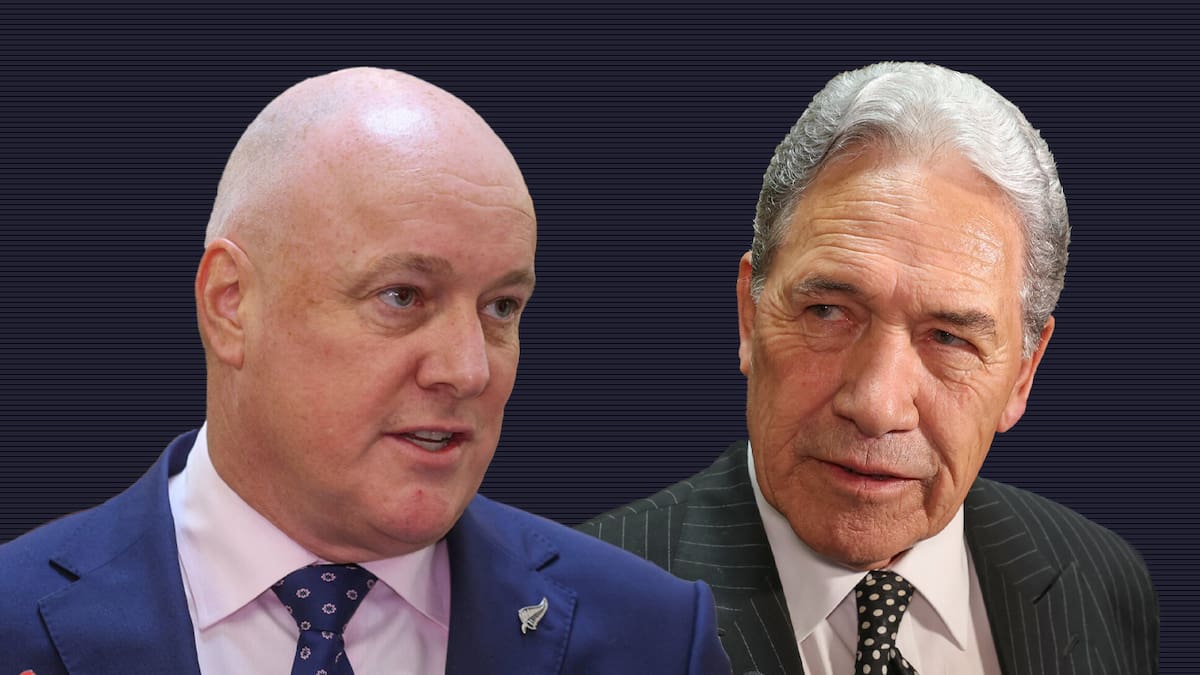
NZ First leader Winston Peters and Justice Minister Paul Goldsmith.
Photo / Corey Fleming
This was why many people committed their time to submitting to the tribunal’s urgent hearing.
“In the words of Dr Papaarangi Reid, ‘it’s not really about words. For us, it’s about life and death and for us, it’s about saving Māori lives’.”
The tribunal urged the Government to ditch the policy – or pause work until “meaningful co-design with Māori has occurred”.
The Government should also engage substantially with post-settlement governance agencies on the potential impact of the review on iwi settlements.
The review breached the treaty, the tribunal said, by “prioritising coalition agreement commitments over the need to make informed policy decisions”.
Julia Gabel is a Wellington-based political reporter. She joined the Herald in 2020 and has most recently focused on data journalism.