
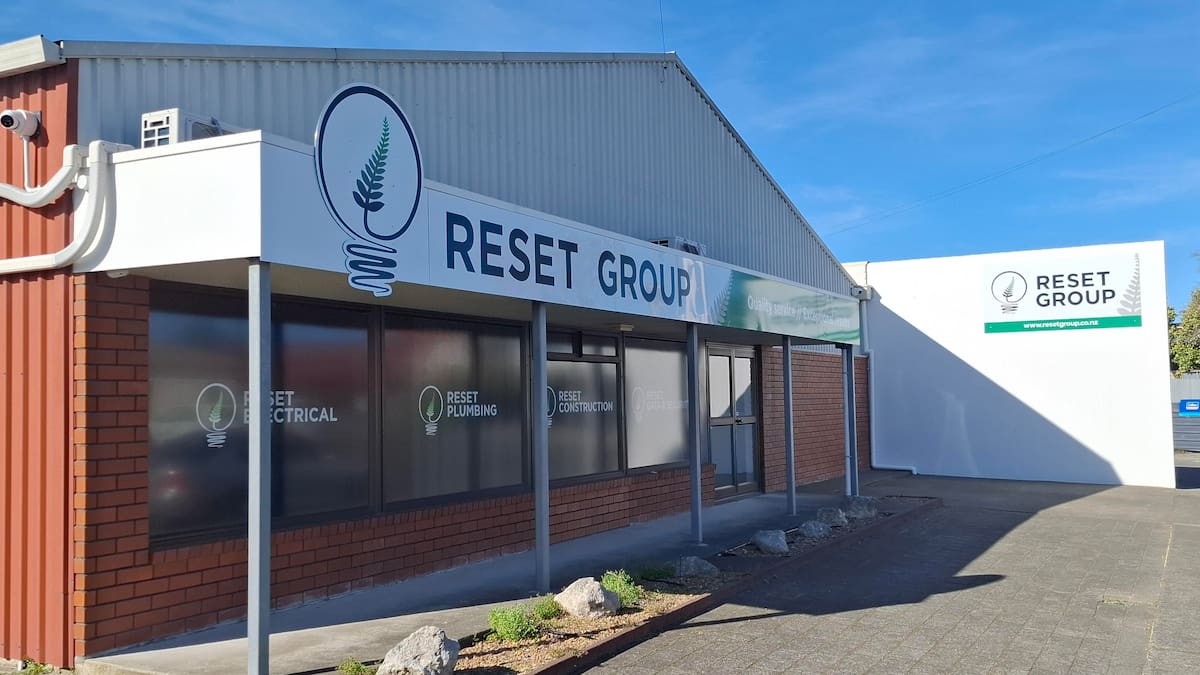
Workers across the group were called into a meeting on July 22 at Reset’s headquarters in Onekawa, and informed they had lost their jobs, effective immediately.
Workers have not been paid for their last three days of work or accrued holiday pay.
Staff are owed about $130,000 (not including wages owed to White), according to the liquidators’ reports.
Earlier this year, the group underwent restructuring in a bid to stay afloat, reducing staff from about 65 to 35.
However, White made the decision to place the companies in voluntary liquidation on July 22, given the group’s financial position.
“Up until late last year, we were doing really well, and then the work dried up,” White said.
“We ran out of work. That was across the majority of the group, except for our automation and plumbing.”
He said the construction sector had been quiet, not just for them but across the industry.
As a result, he claimed margins were tight, as there was more competition for work and contracts.
“The margins got so small that we would tender for work to other companies, and they would come back and say drop it by 5% or 10% and the job is yours, and we just had no choice because we had to keep [our staff] busy.”
After the restructure, he said he took on “quite a bit of debt” from the bank to keep remaining staff on as long as possible.
He said, in the end, he did not want to continue operating if he was not sure he could finish jobs they invoiced – and decided to liquidate the company after a couple of big contracts failed to come through on the week of the liquidation.
White is an electrician and started Reset Electrical in 2019.
He expanded quickly, adding a construction arm and data and security arm in 2021, then a plumbing arm and automation arm in 2025.
Asked if he expanded too quickly, he said he met regularly with a business adviser and “it made sense on paper”.
“I had a dream, and at the time things were going well.
“Even when other people said they were quiet, we were tracking well, and up until late last year we were still doing really well.”
He conceded his inexperience in running a large business had contributed.
He said he personally had lost a lot of money, and was hopeful his staff would be paid through the liquidation process.
One worker, who did not want to be named, said the liquidation process should have been handled better, including keeping staff better informed so they could make other plans.
“It came as a total shock to everybody,” the worker said, of the meeting on July 22.
“The room went dead silent while the managing director spent his five minutes explaining what was going on.
“It was bitter disappointment for everyone involved.”
The worker said this kind of situation did not happen overnight.
“This is something that is going on behind the scenes four to eight weeks out, and he could have given us more warning.”
He said the staff were “highly motivated and really good workers”, and could have been shown more respect.
State of affairs
The first liquidators’ reports were released this week.
They show creditors are owed more than $700,000 across the companies in liquidation, excluding inter-company loans and advances.
Trade creditors are owed more than $400,000 of that money, and employees (excluding the director) are owed about $130,000.
The group also has bank loans totalling just over $900,000, according to the liquidator.
In terms of money owed to the group that can go towards paying off debts, there is about $500,000 in “accounts receivable”.
An appointed liquidator said she was hopeful staff could be paid if that money was recovered.
Reset Group leased its premises in Onekawa, rather than owning them.
It also had a fleet of vehicles, although many of those vehicles had loans attached to them.
The company also had more than $50,000 worth of equipment.
White claimed that invoiced work, paid by customers, was up to date.