
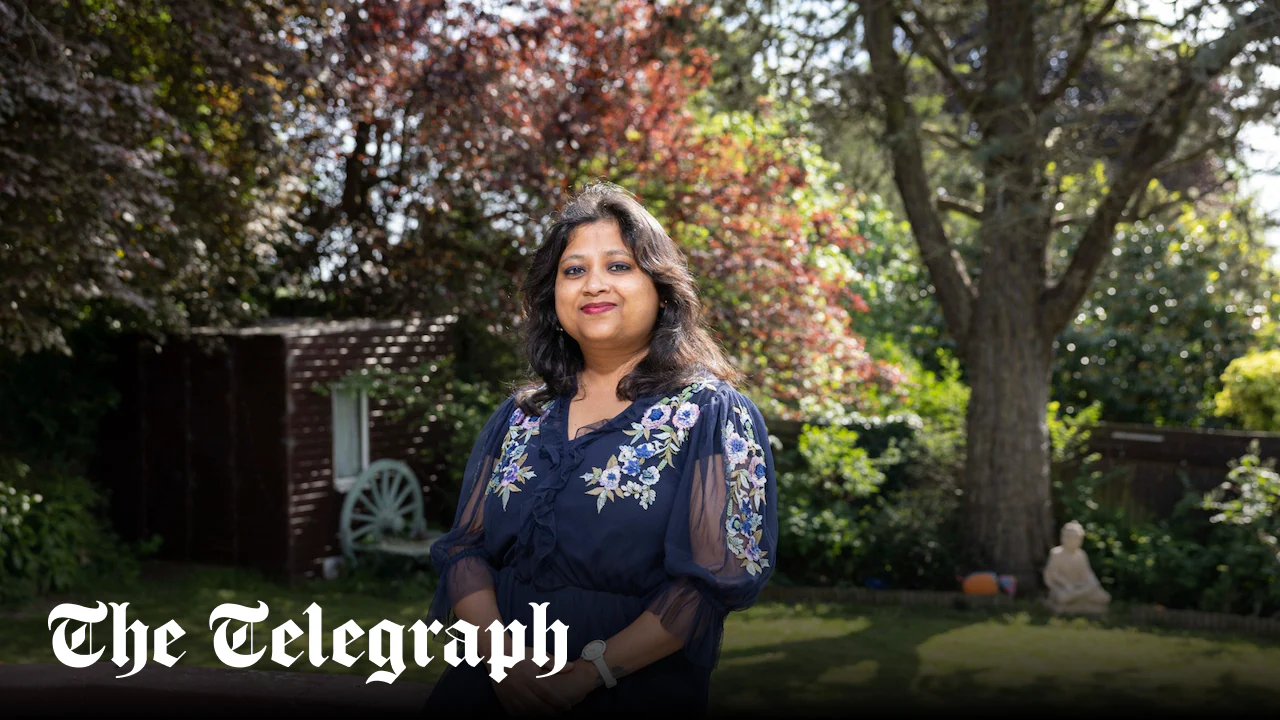
Retiring 15 years before she can draw the state pension presents some financial challenges, but in addition to her pension pot, Majumder has another £62,000 tucked away in a stocks and shares Isa.
She also has £12,000 invested in the Government’s Enterprise Investment Scheme, which offers tax reliefs to individual investors who buy shares and help companies to raise vital capital.
She’d like to know whether early retirement is realistic, how much she’d need to save and whether any other investments could boost her chances of finishing work early.
She says: “If I can get at least £2,000 to £3,000 a month [in retirement], that would sort me out.
“In terms of other avenues, there must be some others we can look into. Even if it is with tax, what other opportunities are there to get our money working for us?”
Fred Smith, client adviser at Netwealth
Majumder’s early retirement is a perfectly valid goal and should be achievable at the lower target income of around £2,000 a month. However, it may make sense to push it back slightly.
She should stick to maximising her pension and Isa contributions, which are her most tax-efficient ways of investing. Pension contributions come top of the pecking order, and using up more of her £60,000 annual allowance each year should be the priority.
Taking into account her current income and an annual increase of 3pc, it would be helpful to target an additional £10,000 a year in contributions, which, given her income, should be affordable.
However, she won’t be able to access her pension until age 57, so if she’s not willing to wait until then before retiring, she’ll need additional Isa contributions to ensure she has accessible funds.
Since she has 10 years or longer to invest, those funds can work hard. I would suggest a globally diversified investment approach with between 75pc and 95pc in equities and then potentially a gradual reduction in investment risk during her retirement years.
Based on the information above, retiring at age 52 with an income of £3,000 a month would not be realistic. Her funds would be depleted by her mid-70s. However, an income of £2,100 per month would be achievable and would last until her mid-90s.
Retiring at a slightly later age, such as 57, would allow for five more years of saving, and she could immediately draw £12,570 tax-free from her pension by using the personal tax-free allowance, which is available to us all. Using this in combination with Isa withdrawals could allow her to reach her preferred income level with minimal tax.
Majumder’s mortgage is another consideration, too. Delaying retirement to age 57 would enable her to build a larger investment pot, which would both increase the chance of meeting her spending goals and pay off the mortgage before retirement. Monthly mortgage payments may be less welcome once there isn’t a regular salary coming in.