
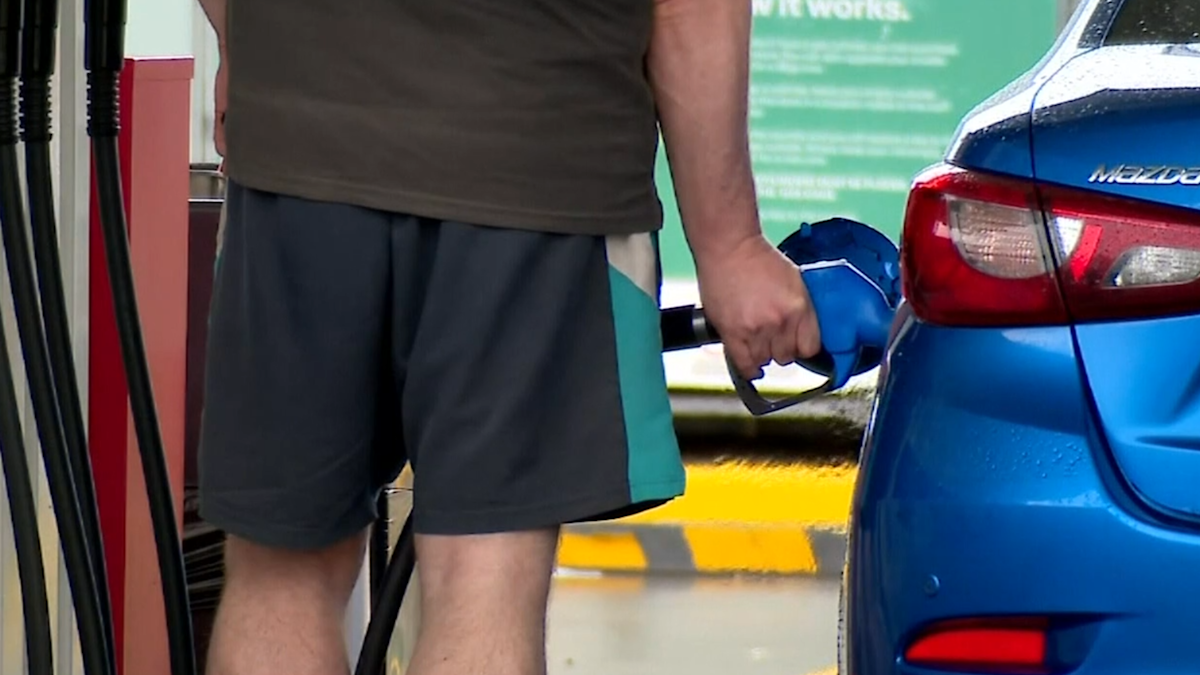
Millions of drivers are expected to pack out servos around the country today ahead of the fuel excise charge returning in full at midnight.
A discount has been in place since April this year, prompted as an immediate cost-of-living relief measure by the Iran war and the closure of the Strait of Hormuz.
Petrol prices are expected to shoot up this week. 9News
But the government has consistently maintained it would be a temporary measure and no last-minute extension of the discount appears likely.
From midnight, the excise will return to its full 53 cents a litre charge, about 20 cents more than it is now.
“I think Australians have understood, as we have made crystal clear all the way through, that this was a temporary measure,” Energy Minister Chris Bowen said.
He urged people not to hoard extra petrol at the pump as well.
“We ask people to buy as much fuel as they need, no more, no less,” he said.
Nonetheless, queues are expected to build up at service stations today, with petrol from tomorrow expected to push past $2 a litre, while diesel is likely to shoot past $2.40.
The diesel price rise in particular is set to hit all Australians hard, New Energy Transport co-founder Daniel Bleakley told Weekend Today.
“We’re the second most road-freight dependent country in the world,” he said.
“Ninety per cent of our diesel is imported, so we’re extremely exposed to this volatility.”
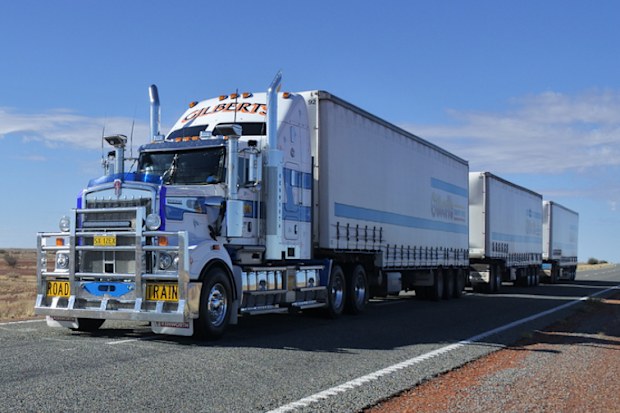
Australia is heavily dependent on diesel powered road freight. chameleonseye
Australia’s field-to-supermarket food supply chain relied on diesel and road transport at every step, he said.
And the forecast $2.40/L diesel price was about 50 per cent above the $1.60/L seen before the Iran war.
Therefore, Australians are likely staring down the barrel of price increases at the checkout.
“This is going to affect all our supply chains,” Bleakley said.
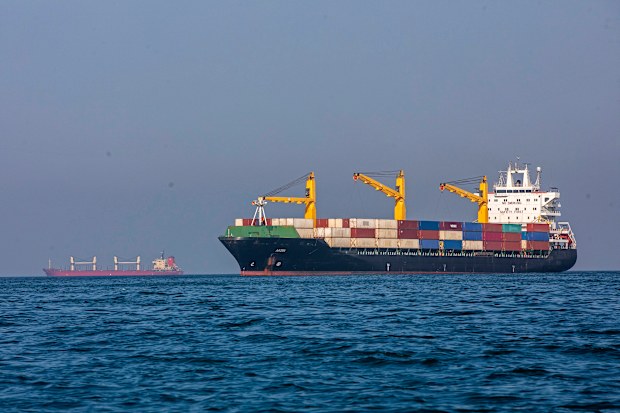
It all comes down to the status of the Strait of Hormuz. Getty
He said a long-term solution involved electric vehicles, which Australians are increasingly turning to, as well as heavy electric freight vehicles.
Nine Political Editor Charles Croucher advised people to take their time to find the right service stations throughout the week, as some would by default preserve the discount for several days.
He said the trigger for most servos to push prices back up would be when they refilled their tanks, leaving some leeway between the full excise return at midnight, and an immediate price hike.
But over the longer-term, he said, Australians were likely to be hit on expanding costs, even with the country’s fuel stocks in better shape than they were pre-war.
“The biggest thing that Australians can do, I guess, is hope that the war ends soon and the oil starts flowing,” Croucher told Weekend Today.
Over the medium to longer term, he said, rising fuel costs could have knock on effects throughout the whole economy, including food prices, transport services, inflation, and mortgage interest rates.
“Long-term, if fuel stays high, it impacts everyone,” Croucher said.