
We’ve also seen oil prices jump in recent weeks as the Middle East conflict has reignited.
Those are all the undesirable reasons for interest rates to rise, but there are a few better ones too.
The economy is far from firing on all cylinders, but we’ve seen some genuine signs of recovery lately.
Headline confidence in the ANZ Business Outlook survey rebounded in June, with the improvement coming before the ceasefire agreement between Iran and the US.
That suggests fundamentals were improving on their own, and it wasn’t simply vibes after the short-lived ceasefire.
The manufacturing sector has also staged a welcome turnaround.
The BNZ-BusinessNZ Performance of Manufacturing Index rocketed up to 59.7 last month, its highest level since 2021.
That suggests activity is accelerating rather than merely stabilising, while the increase in the new orders measure points to further gains ahead.
Migration is also becoming more supportive.
Annual net migration has recovered to almost 19,000 people, the highest in 16 months and almost double the lows of last year.
That’s still well below the 10-year average of 45,000 and the data can be hit and miss, but the trend looks clear.
Migration is an important driver of growth and economic activity, especially for a small country like New Zealand that could benefit from additional scale.
The housing and construction sectors might also be showing tentative signs the worst is behind them.
Residential building activity is still slow but new dwelling consents have lifted to more than 39,000 annually.
That’s 19% higher than a year ago and the highest since 2023, which suggests developers are becoming more confident after a prolonged downturn.
The NZIER’s Quarterly Survey of Business Opinion noted that cost pressures were particularly acute in the building sector, but weak demand had spurred firms to cut their prices anyway during the June quarter.
Although activity remains well below the boom years, a stabilisation in construction would remove an important drag on economic growth.
The agricultural sector continues to provide an important source of strength, too.
Dairy prices remain at healthy levels, red meat exports have improved and kiwifruit growers continue to benefit from robust offshore demand.
Combined with a New Zealand dollar that remains well below long-term averages, this is supporting farm incomes and providing a welcome boost to regional economies.
Despite these encouraging signs, the recovery remains uneven.
The services sector, which accounts for around 70% of the economy, remains sluggish.
Consumer-facing industries such as retail and hospitality have been doing it tough as households face higher living costs.
Housing is another area of weakness, and it’s hard to see that changing anytime soon.
National property values are still 18% below their peak and down slightly from a year ago.
Sales volumes have declined for six consecutive months, with transactions across the first half of 2026 running below the same period last year.
A high number of listings continues to give buyers the upper hand, while rising costs of ownership and political uncertainty are also weighing on the market.
This points to a gradual recovery in prices at best, which is more in the national interest than rampant gains.
Another area of softness is the labour market, with the unemployment rate sitting at 5.3% and underutilisation at 12.9%.
That’s the highest in a decade, although the unemployment rate is notorious for being a lagging indicator.
More timely labour force measures look better, such as monthly filled jobs, which are up 0.6% on a year ago.
That might sound small but it’s the strongest since April 2024 and it’s clearly pointing higher after 21 consecutive months of decline.
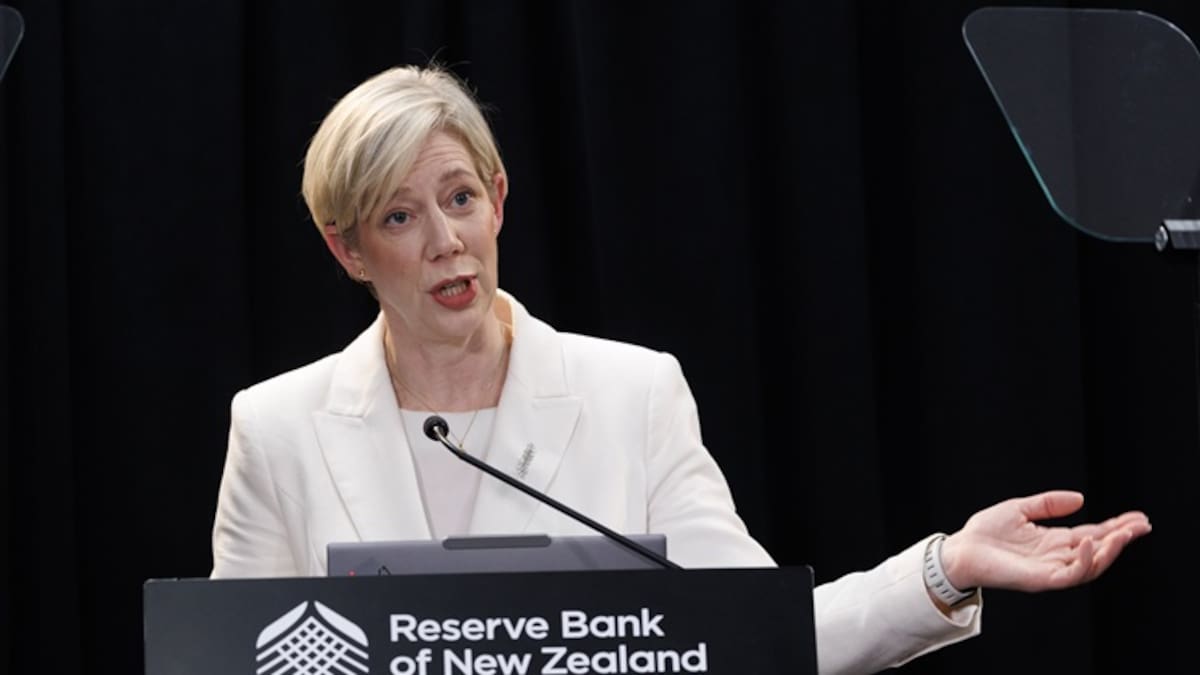
The Official Cash Rate (OCR) looks headed for 3%, which is the lower end of where the Reserve Bank sees the neutral range being.
That’s the steady-state zone where it believes it’s not putting the brakes on but also not hitting the gas.
We can debate where neutral really is, but my read is that the policymakers are very keen to see the OCR begin with a 3, then reevaluate.
The better news is that we’re unlikely to end up anywhere near the 5.50% level that prevailed through 2023 and 2024.
Even more encouragingly, we’re seeing clear signs of improvement across the economy to offset some of the increasing headwinds.
While not across the board, that should mean businesses and households can still fare better in the coming 12 months, despite some modest upward pressure on borrowing costs.
Mark Lister is investment director at Craigs Investment Partners. The information in this article is provided for information only, is intended to be general in nature, and does not take into account your financial situation, objectives, goals, or risk tolerance. Before making any investment decision, Craigs Investment Partners recommends you contact an investment adviser.