
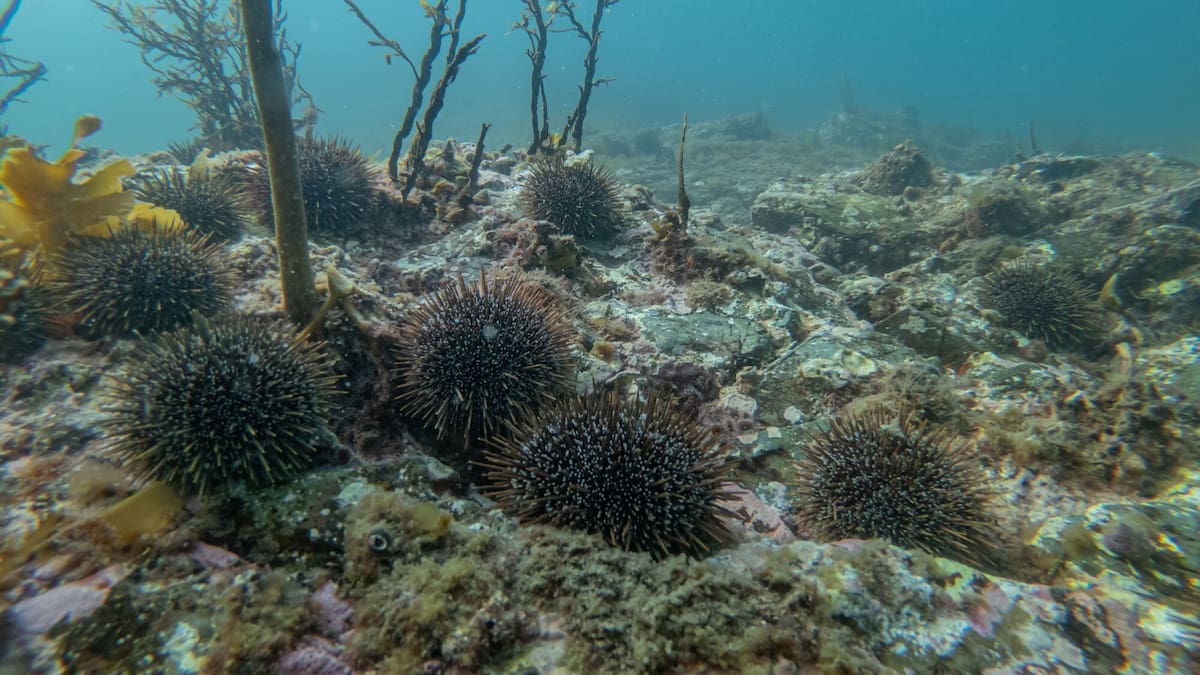
The applicants are members of the Pou Rāhui Research Project, incorporating mātauranga Māori and scientific tools to restore identified marine taonga species within the areas.
“Extending these temporary closures is a practical step for the benefit of current and future generations,” Jones said.
“The group’s work involves training whānau in traditional skills and data collection to strengthen mātauranga, to support evidence-based decision-making, and to ensure the long-term sustainability of customary fisheries.”
The closures are part of a broader effort to restore shellfish populations across the upper North Island.
Earlier this year, separate two-year bans came into force at beaches around Whangaparāoa Peninsula, Kawau Bay and Ōmaha Bay, where the collection of shellfish, seaweed and other rockpool species is also prohibited to allow marine ecosystems to recover.
At the time, Fisheries New Zealand said education would be key to the success of the measures, with officers initially focusing on informing beachgoers about the new rules rather than issuing fines.
Conservation groups also stressed that the closures were only one part of protecting marine ecosystems, alongside public education about sustainable harvesting.
The extended closures come into effect on August 7. Information, including maps, is available on MPI’s website.
Fisheries New Zealand also has a wider, ongoing review of recreational shellfish harvesting in the Auckland Coromandel area.
Earlier this year, it warned the public to check local site regulations, including daily limits per species and other restrictions.