
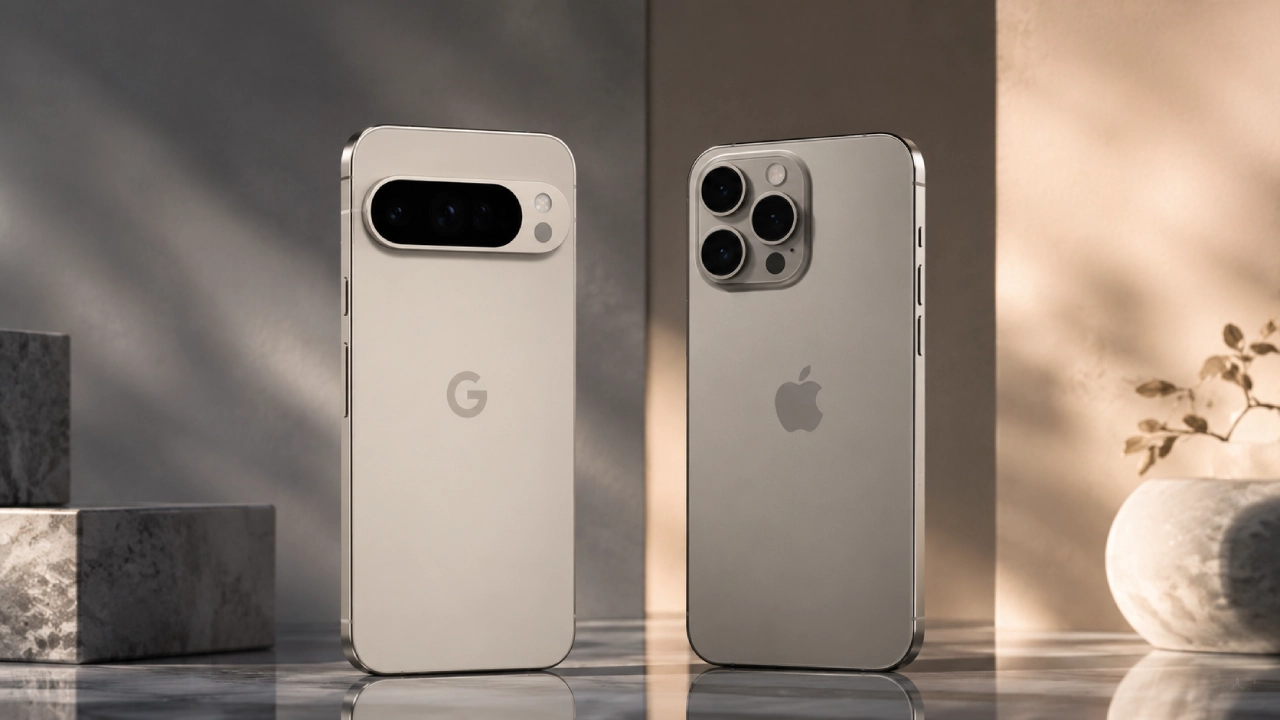
Before getting into specs, it’s worth flagging something unusual about the Google Pixel 11 vs iPhone 18 comparison: these two phones almost certainly won’t launch anywhere near each other. Google’s Pixel 11 has a confirmed August 12, 2026 unveiling date, while Apple’s standard iPhone 18 is reportedly being pushed to spring 2027, well after the iPhone 18 Pro and Pro Max debut in their usual September slot. Neither company has confirmed final specs for either phone, so everything here is leak-sourced and should be read as directional rather than settled.
Processor and Node Efficiency
Both phones are expected to lean on next-generation silicon, but from very different playbooks.
The Pixel 11 series is tipped to run Google’s Tensor G6, built on a 2nm process alongside a MediaTek M90 modem and a Titan M3 security chip, according to tipster Shishir Shelke. The iPhone 18, meanwhile, is expected to use a standard A20 chip, also built on TSMC’s 2nm node, while its Pro siblings get the more powerful A20 Pro variant with Wafer-Level Multi-Chip Module packaging.
Both companies converging on 2nm at roughly the same time sets up a genuinely close efficiency race, though Apple’s standard A20 is expected to trail the A20 Pro’s more advanced packaging, keeping the base iPhone a step behind its own Pro lineup, not just behind Google.
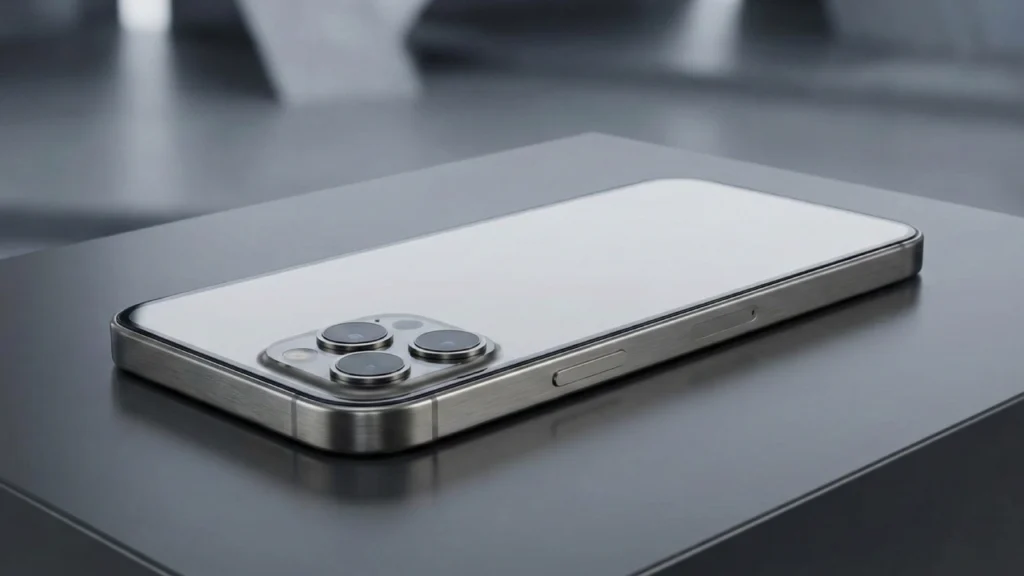 Representational Image: TechgenyzAI Features
This is where the framing diverges most.
Google has built its entire Pixel 11 pitch around Gemini integration, with Tensor G6’s on-device AI processing central to the phone’s positioning. Apple’s angle is more specific: leaks point to the standard iPhone 18 getting a RAM bump, to either 9GB or 12GB depending on which analyst you trust, specifically to run Apple Intelligence features locally rather than offload them to servers.
Both companies are treating on-device AI capacity as the headline generational shift, but Google’s approach is centered on assistant-style interaction through Gemini, while Apple’s is framed around system-level intelligence baked into iOS 27.
Display and Brightness
Neither company has released specific brightness figures yet, so this category remains the least concrete of the five right now.
The Pixel 11 is expected to keep a 6.3-inch LTPO AMOLED panel at 120Hz, with leaks pointing to a new, brighter Samsung M16 OLED panel across the lineup. The iPhone 18 is rumored to retain the same 6.3-inch OLED size with ProMotion support that debuted on the iPhone 17, with no dramatic redesign expected, aside from a possible smaller Dynamic Island carried over from the Pro models’ design language. 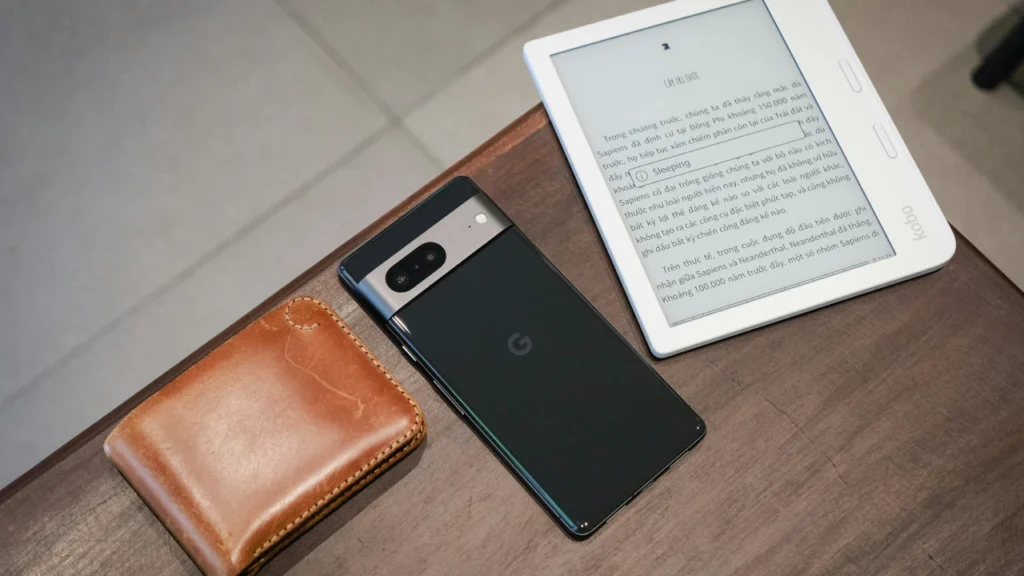 Representational Image | Image Source: UnsplashCamera Systems
Google’s approach leans on software and AI processing to differentiate its camera output; Apple’s leans on new physical hardware.
The Pixel 11 Pro’s leaked renders, shared by tipster Evan Blass, show a familiar triple-camera setup inside Google’s signature rear bar, with the lineup expected to lean heavily on Tensor G6 for computational photography rather than dramatic hardware changes. Apple’s camera story sounds more ambitious on paper: leaks point to a variable aperture on the main camera across the Pro lineup, a first for any iPhone, though it’s unclear whether that specific feature trickles down to the standard iPhone 18 or stays exclusive to the Pro models. A 24MP selfie camera has also been mentioned for the standard iPhone 18.Battery and ChargingLeaked battery figures currently favor Google’s Pro tier specifically, with the Pixel 11 Pro rumored at 4,850mAh and the Pro XL at 5,115mAh, though standard Pixel 11 figures haven’t surfaced with the same confidence. On the Apple side, the standard iPhone 18 isn’t expected to see a dramatic battery jump, with most of the leaked capacity gains, some reports suggest over 5,000mAh, concentrated in the Pro Max specifically.
Charging speeds remain unconfirmed on both phones, with efficiency gains from each company’s respective 2nm chip cited as the more likely source of any real-world battery life improvement rather than faster charging hardware.
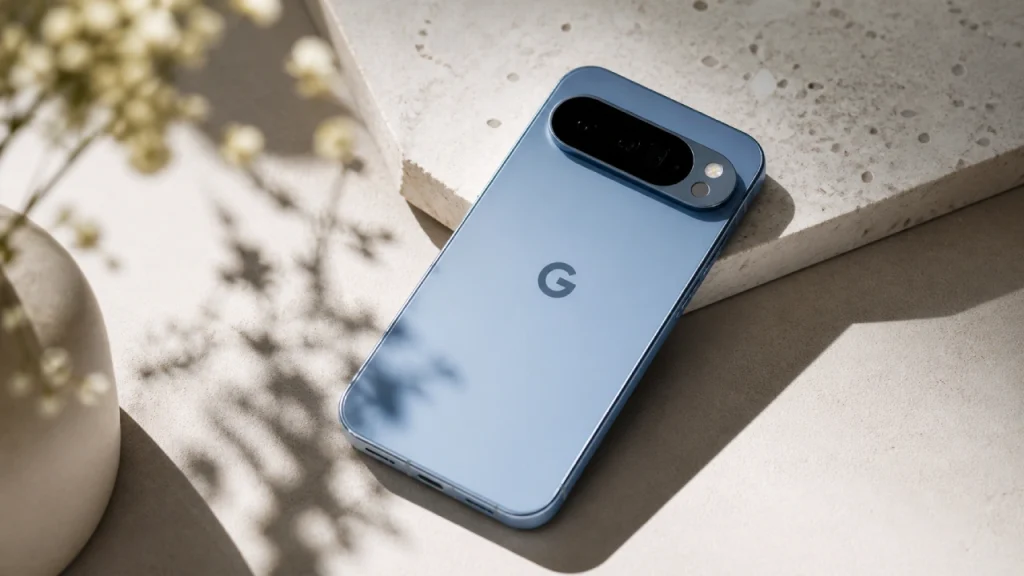 Representational Image: TechgenyzSpecifications at a GlanceGoogle Pixel 11Apple iPhone 18Launch Timeline August 12, 2026Spring 2027 launch* ProcessorGoogle Tensor G6 Apple A20 Chip ProcessTSMC 2nm TSMC 2nm Security Chip Titan M3 Secure Enclave (expected) Modem MediaTek M90 Apple C2 modem (expected) AI Focus Gemini-powered on-device AI Apple Intelligence on-device AI RAM 12GB–16GB*9GB / 12GB*Display Size 6.3-inch LTPO AMOLED 6.3-inch OLED Refresh Rate 120Hz ProMotion 120HzDisplay Panel Samsung M16 OLED OLED panel*Brightness Not officially disclosed Not leaked Front Design Standard Pixel display Smaller Dynamic IslandRear Cameras Triple-camera setup*Dual-camera setupCamera Philosophy Computational photography via Tensor AI Hardware-focused imaging improvements Main Camera Upgrade No major hardware changes leaked Variable aperture (unclear if base model gets it) Selfie Camera Not confirmed 24MP*Battery Capacity not confirmed for base model Capacity not confirmed Charging Not confirmed Not confirmed Battery Efficiency Tensor G6 2nm efficiency gains A20 2nm efficiency gains Software Focus Android + Gemini Intelligence iOS 27 + Apple Intelligence Key Strength AI integrationTensor optimizationComputational photography 2nm A20 chipApple IntelligencePotential camera upgrades
*Based on rumours, leaks and confirmed data
Google Pixel 11 vs iPhone 18: What’s Next
Google’s August 12 event will be the first of these two phones to actually reach a stage, giving a much clearer read on final Pixel 11 specs well before Apple even confirms iPhone 18 Pro details in September. The standard iPhone 18 stays the bigger unknown by a wide margin, given its rumored spring 2027 timeline means most of what’s circulating now, including the exact RAM figure and whether variable aperture reaches the base model, could still shift considerably before Apple says anything official.