
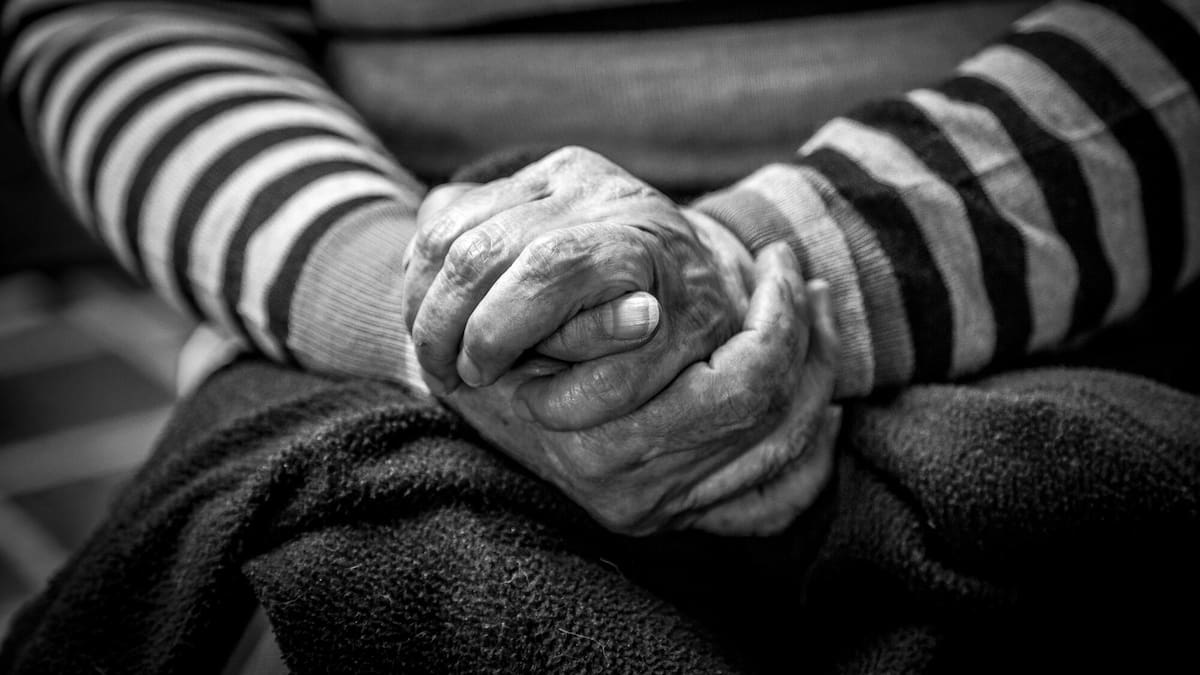
Not for her.
“The support drops off very quickly,” the Napier woman said.
“It’s nobody’s fault. People’s lives are busy.”
More than three years after losing her husband to lung cancer, Mary still sometimes wakes to the silence beside her.
“I still open my eyes in the morning and sometimes just have a wee cry because there’s nobody in bed with you,” she said.
“The evenings are the hardest. It’s just so lonely.”
Mary, in her 60s, worked for a few more years in her chosen profession before choosing to retire, but that only increased the sense of being alone.
“I was ready to finish work, but I really miss the company,” she said.
“I didn’t know how to be me without him.”
She described the first year after his death as almost a blank.
Friends remained supportive, but most were married and busy with their own families.
Much of her family lives outside Hawke’s Bay, making regular visits difficult.
Although social media could help people stay connected, she said it couldn’t replace face-to-face contact.
“It’s not the same.”
One thing she misses most is the simple human touch.
“I really miss man hugs,” she said with a laugh.
“So, when I see some of my friends’ husbands, I make sure I give them a hug because you miss the contact.”
Mary even tried dating again, going on a few coffee dates, but said the experience left her feeling disappointed.
“In the end, I felt that they were all just looking for a rich widow,” she said.
Lately, one thing that has helped ease the loneliness has been connecting with other women who have experienced a similar loss.
Mary joined a Hawke’s Bay widows club, where they meet regularly for dinners, drinks, and social outings.
“That has been very cathartic.”
For her, joining groups didn’t immediately solve everything, but it gave her somewhere to begin.
“That was very hard, and I had to really make myself get out and do different things, and try and meet new people, and that’s been a journey on its own.”
Mary’s experience is far from unique.
Age Concern Hawke’s Bay manager Dairne Withers said loneliness and social isolation were among the most common issues affecting older people every day.
In the past year, the organisation’s elder abuse service received 475 referrals, while another 328 people were referred to its community support team.
That was more than 800 referrals across those two services alone.
For many of them, loneliness and social isolation were at the heart of their struggles.
“It’s a common occurrence to see the role that isolation plays in making somebody vulnerable to abuse,” Withers said.
“Unfortunately, the referrals don’t slow down. When I came to Age Concern in 2021, our referrals for that kind of space were in the 100-and-something.”
Age Concern also helped 842 people through its health promotion and social connection programmes during the past year.
“It’s been well researched that loneliness and social isolation have a significant impact on mental health,” Withers said.
She said many older people first sought help after losing a partner, finding themselves living alone for the first time.
To help rebuild social connections, Age Concern runs free services and activities including a volunteer visiting service, card and knitting groups, shared meals, workshops and the Steady As You Go strength and balance falls‑prevention programme.
The classes are held weekly at more than 20 locations across Hawke’s Bay.
“We often see people come for the exercise, but what they really gain are friendships,” Withers said.
“Those friendships continue outside the group. They’ll catch up for lunch, go on outings together and become a real support network.”
Personal trainer Denise Dahlberg, who specialises in rehabilitation for older adults, said isolation was often linked to a loss of strength, balance and confidence.
Many of her clients, aged between 60 and 83, had gradually stopped going out after surgery, injury or declining mobility, she said.
“They’re too scared to go for a walk because they might fall over. And then, they’re isolated even more,” Dahlberg said.
“They’ve lost strength and balance, and through that they lose their confidence. Then, when they lose their confidence, they do even less, and that’s where the decline can happen quite quickly.”
She said mobility and strength were crucial for seniors who lived alone, giving them a better chance of getting themselves up if they had a fall.
For her, every step forward was also a step away from isolation.
Aged 63, Dahlberg said she understood how loneliness could feel.
Having moved back to Hawke’s Bay about 18 months ago following the end of her marriage, she said she had few friends and no family and often found herself on her own.
“However, I do have a job, and I’m able to get my connections through my clients, but a lot of my clients just don’t have those connections because they’ve kind of almost given up on themselves,” Dahlberg said.
Alongside the connections she made through work, Dahlberg joined a walking group to meet new people and avoid becoming isolated.
“I think doing something, or even joining a group, can make all the difference,” she said.
“And that’s easier said than done.”
*Name has been changed.
Places that can help
Age Concern Hawke’s Bay – 06 870 9060
Grey Power – 0800 473 979
Enliven Older People – 0800 436548
Heretaunga Seniors – 06 870 7025
Pakeke Centre – 06 858 7682
Rafaella Melo has more than 10 years of experience as a journalist in Brazil. She has worn many hats, from radio and TV presenter and producer to magazine editor before joining the Hawke’s Bay Today team as a multimedia journalist.