
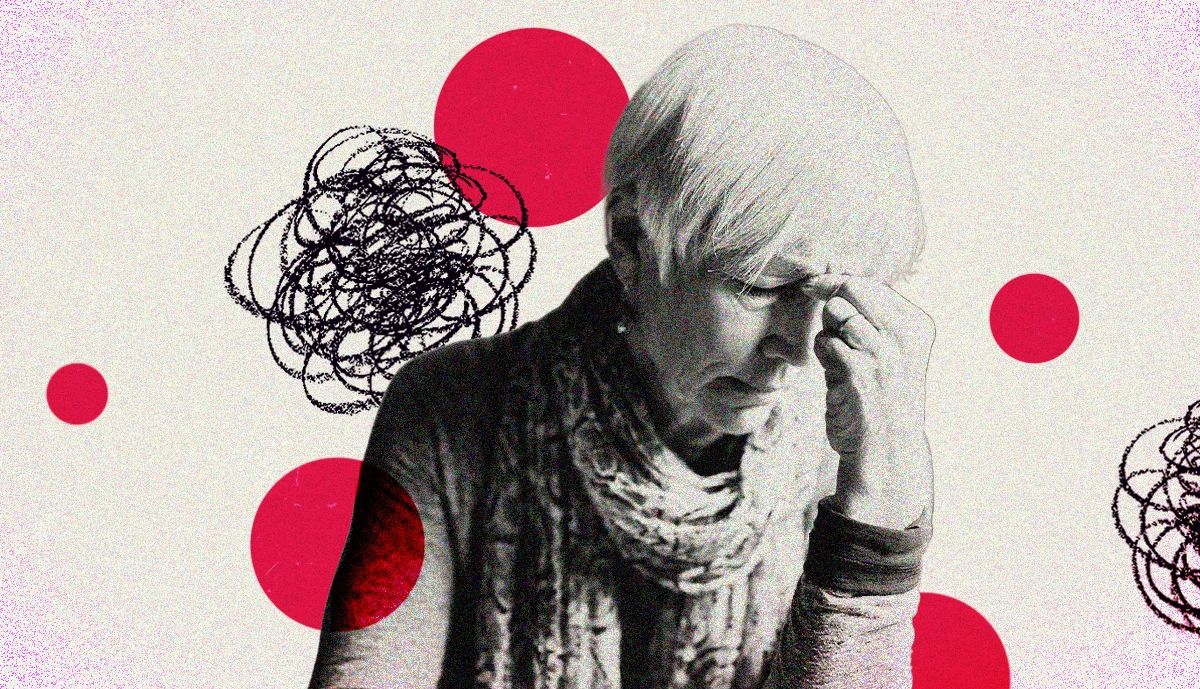
We hear a lot about how stress is hard on older adults — and it certainly can be harmful — but new research from AARP finds that Americans age 50-plus say they are managing stress well.
A new AARP survey on 1,770 adults 40 and up reveals that most adults believe stress can be handled, though they are concerned about how it affects their health. (Below, we focus on data in those 50 and up, specifically.)
Among 84 percent of people over 50 who experienced stress within 30 days of the survey, 29 percent reported they felt somewhat stressed, 39 percent said they were a little stressed, 16 percent had no stress and 15 percent had high stress. About 72 percent say they’re doing well managing their stress.
In terms of their mental and emotional health in those 50 and up:
“While most recognize that stress is part of life, relatively few describe their stress levels as very high. Yet many also say there are small things they could do to manage stress better,” says Cheryl Lampkin, senior research advisor at AARP Research. “To me, that suggests when it comes to stress management, older adults aren’t in crisis — it’s more about helping them build on coping strategies they already have.”
The most damaging type of stress
It’s important to pay attention to your stress level because it can impact your physical and mental well-being, especially as you get older. A temporary stressor can be unpleasant, but chronic stress is the real danger — it’s linked to inflammation, hormone dysfunction and oxidative stress, which accelerate biological aging and raise your disease risk. Ongoing tension in your life can also drive cognitive issues and poorer mental health, among other ailments. And it can be harder to deal with as you become older.
“Older adults have less physiological reserve than younger adults, meaning the body may recover more slowly from stressors,” says Dr. Lisa Christian, a clinical health psychologist at the Ohio State University Wexner Medical Center.
What’s more, you may not feel stressed-out if you’re under chronic stress. It could show up as fatigue, irritability, social withdrawal or sleep disturbances, and it may be tough to tell if you’re actually dealing with clinical depression or anxiety, Christian says.
Impacts on health
Most adults over 50 in the survey say stress influences their mood, energy levels, focus, brain, emotions and physical health.
And they’re right. Aging affects your body’s stress system, and chronic stress can have more negative effects on it. Having low stress reactivity (being more calm during stressful events) puts people more at risk for things like cognitive issues, anxiety, depression and post-traumatic stress disorder (PTSD), while higher reactivity was linked with an increase of risk factors for heart disease and decreased telomere length (which could raise your risk for neurodegenerative disease, disease in general and worse survival), according to a 2020 meta-analysis of 47 studies published in Psychoneuroendocrinology.