
In April, one of Australia’s leading longevity platforms, Everlab, launched in Aotearoa. After five consultations, dozens of tests and hundreds data points, Sarah Pollok weighs up the pros and cons.
As someone who pursues wellness with equal parts enthusiasm and scepticism, I approached Everlab with fizzy excitement and three
hesitations.
The preventive healthcare start-up launched in Melbourne in 2023 and has gained attention for securing A$65 million ($78.4m) in a recent funding round and reporting tenfold growth in the past year.
“We built Everlab to close the gap between how healthcare works today and how it should work: earlier, more personalised, and more proactive”, co-founder and GP Dr Steven Lu wrote in a recent LinkedIn post. So far, so aligned. Why wait for something to become serious enough for clinical treatment? Why not know about hidden cardiac risk or a niggly-but-not-chronic thyroid issue so you can adjust your lifestyle accordingly?
Dr. Steven Lu. MBBS (Hons), DCH, FRACGP, is a specialist GP and Everlab’s co-founder and chief medical officer.
Yet I had hesitations. Firstly, I hate telehealth services. Call me old-school, but I want to sit beside my doctor or nutritionist. While testing happens locally, consultations with Everlab GPs and nutritionists are online – would I feel supported?
Second, an alternative practitioner had recently recommended a test I later discovered was medically discredited. So, would Everlab’s testing be legitimate?
Lastly, $3700 (the annual cost for the comprehensive programme) is no small fee. Would it be worthwhile? I decided to find out.
The Diagnostics Programme covers advanced labelling, imaging and a review to identify disease risks for $1700 annually or $142 a month, while the Protocol Programme, the most comprehensive 12-month option, costs $342 a month or $3700 a year. You can also purchase eight additional tests including a Whole Body Cancer Screening or skin check; however, Everlab costs cannot be covered by private health insurance.
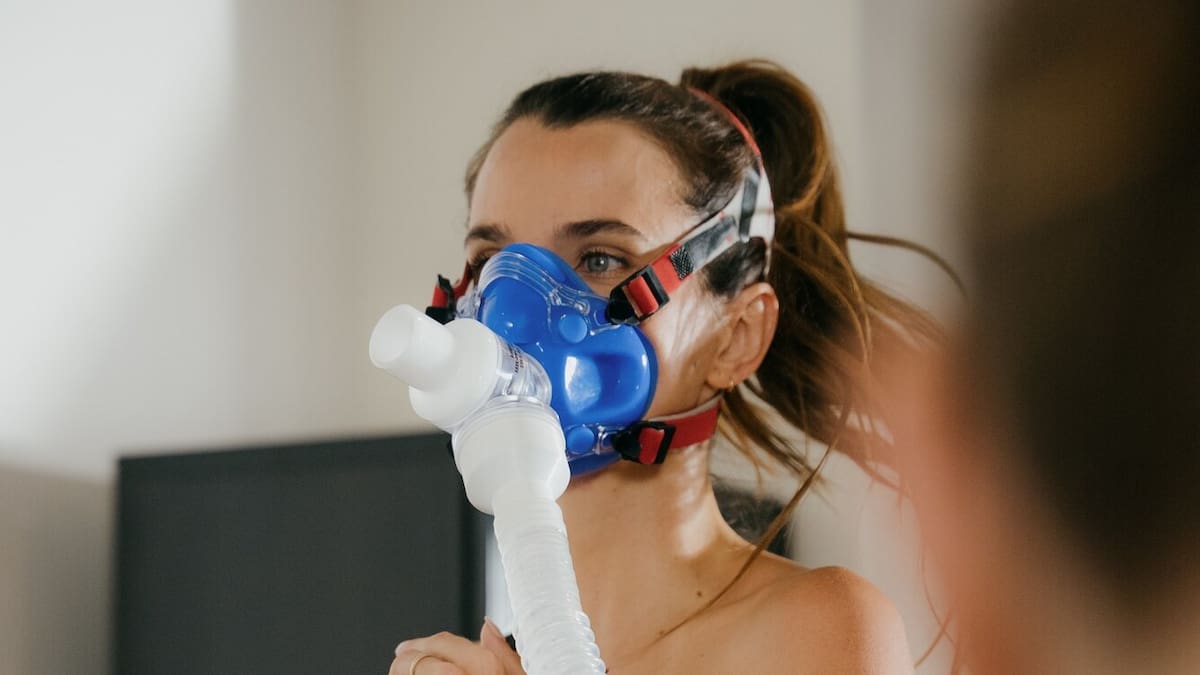
I trial the first few months of the Protocol Programme, which includes bloodwork for 85+ biomarkers, a DEXA and bone density scan, advanced heart screening, a physical assessment of strength, stability, VO2 max and a nutrition review, with GP assessments before and after.
The app lets you book appointments, track results and review recommendations or plans. Everlab says it is designed to be the central place for your health and bookings, however, I discover detailed clinical notes are often emailed post-consult, rather than showing in the app, something the team are working on integrating.
After downloading the app and creating a profile, I see there are “30+ diagnostic clinics” in Auckland.
What follows are dozens of questions, from what matters most in a health check-up to what areas of performance I want to optimise, plus family history and current habits. There’s no limit to the information I can add, including wearable device data.
Everlab’s app interface.
I also export several dozen blood test results from my health platform over the past three years and upload them to the app. Ten minutes later, results appear in simple graphs with green, orange and red markers that, unlike most labs, don’t grade by statistical average but by ideal zones for health span and longevity.
For step one, booking a GP, I can select from five NZ-registered doctors, each with a profile photo, bio and work history, with Everlab recruiting more. I select Dr Kelly and book her next slot in two working days’ time and instantly receive an automated email and Google meeting link.
I get an email reminder a few days before the appointment, followed by a text the day of and another email. This, I learn, happens for all appointments, making them impossible to forget.
Clicking the link, Dr Kelly’s smiling face fills the screen and what follows is an incredibly supportive and informative consultation. With an hour to spend, we discuss current and historical issues, but also areas I want to optimise. She is empathetic and patient but never complaisant; when I mention a theory seen on social media, she firmly discredits it and offers another explanation.
As appointments go, it was frictionless, easy to fit into a busy day, and despite it being done via computer screen, I felt more heard than I have in many doctors’ offices. Five minutes later, a text tells me to check my app for next steps.
Next, I book a bone density scan, VO2 max and bloodwork. The first two have a 1.5-week wait, but the following morning, fasted, I visit my local Awanui Labs. My form requests 26 markers and the cost, if requested individually, ranges from $15 (Urea) to $110 (Free Androgen Index) and totals $1133.50. In one fell swoop, I’d regained 20% of Everlab’s annual fee.
“The fitter you are, the less chance you have of dying,” says Eloise Rossouw, a Clinical Exercise Physiologist, as she explains the value of fitness for quality of life. Standing in AUT Millennium’s Sports Performance Clinic, surrounded by equipment, I feel intimidated, but Rossouw’s encouragement quickly puts me at ease. Plus, I only need to perform six exercises, which are considered gold-standard for testing strength and balance, and Rossouw works with everyone from elite athletes to recent stroke patients.
In the clinic, we have top technology, from a grip strength machine to force plates measuring squats and jumps, but the crown jewel is the VO2Max machine. The data is helpful, but it’s Rossouw who turns it into game-changing tweaks customised to my body from a new squat form to activate quads to movements that will ease lower back pain or running plan tweaks for increased fitness.
Excited to see my results, I was told they’d appear in the app within days. A week later, after emailing the Everlab support, the results appear but with several sections empty; something Everlab said was unusual and due to the partner clinic not entering data correctly.
A DEXA scan is part of the comprehensive Everlab programme.
Next stop is Bone Density Auckland in Epsom for a DEXA and bone density scan and I’m again impressed. This isn’t some sub-par composition scan you find at the gym but a medical-grade machine that can identify osteoporosis and calculate fracture, cardiovascular and metabolic risk. Several minutes later, Jewel Wen, the DEXA technician, is done and while I’m surprised to learn they aren’t permitted to give me a copy of the report, the key results do appear in the app.
The following week involves photographing every meal and drink in the Everlab app before my nutritionist appointment. I questioned the inability to add notes to photos (something Everlab is developing) but needn’t have worried; sports dietitian Neda Sabeti didn’t refer to the food diary during our appointment and instead combs through my latest blood results, asking precise questions about my lifestyle. Within 45 minutes I have a concise two-page plan detailing the exact changes to optimise my diet for my goals.
Considering the endless conflicting nutrition advice online, the two-pager brings surprising relief: a clear formula designed for my body and habits. In the following days, it’s easy to incorporate the small changes suggested – adding nuts to breakfast, tinned salmon twice a week, and a fish oil supplement.
Two weeks after my blood test and two days before my follow-up GP consult, I still haven’t received my results, so I email support and discover Dr Kelly has left Everlab without releasing them. I should have been notified of her leaving, but I’m not fazed by the switch; a little churn seems natural for an agile online platform that only just launched in Aotearoa. Everlab confirmed doctors leaving is uncommon, but the model’s unified record-sharing means nothing is lost in handovers, which I can attest to.
Within seconds of speaking to Dr Luke Wee, I know he’s whip-smart, organised and warm, and we dive straight into the results. Pulling up my platform, I’m thrilled to see my habits and genetics have shaved 18 years off my biological age but surprised at the red-flagged cholesterol numbers.
My LipoA, an uncommon marker to test for, is elevated, Wee explains, meaning higher risk of cardiovascular disease. Everlab’s optimal threshold is 75, the average lab’s is 100, and I’m 108. While there is no treatment as it’s genetic, one can minimise other cholesterol markers to manage risk.
“Don’t overread into it, just having the awareness helps,” he says, adding the result isn’t bad enough to warrant rushing to a specialist scan but could be worthwhile to revisit in 10-20 years’ time. We discuss my metabolic health, thyroid function, cancer risk and reproductive hormones, and he answers questions about how my IUD could affect the latter.
I’m refreshed not only by the time and graphs Dr Wee uses to explain every marker but the way he regularly reminds me not to “overread” certain results. Unlike some in the longevity or wellness industry, Dr Wee has no interest in causing unnecessary anxiety or upselling expensive tests – he’s simply a GP who, via Everlab, has more time and resources to discuss what’s worth exploring further, and I leave feeling confident and educated about my body’s current state.
Everlab’s app interface.
Three months on, I’m armed with a wealth of data and, more importantly, practical habits that will move the dial on my health and longevity. I know what to focus on now, what’s a future risk, and what trends or tips can be ignored.
I now know my fatigue isn’t a hidden thyroid issue (no matter how much the wellness world wants me to think it is) and is likely because of my iron and magnesium. I can park the expensive creatine supplements and instead keep an eye on my cholesterol.
Circling back to my hesitations, I realise the right doctor will make you feel heard and seen even through a screen. I received gold-standard data from legitimate clinics instead of unreliable information from invisible sources, and when it comes to cost? According to my calculations, individually booking the Protocol Programme’s scans, tests, bloodwork and appointments at the New Zealand clinics I visited comes to $4762 and that’s without the app and booking capability.
The app itself needs some ironing out: reports show data gaps or unnecessary fields, excellent post-appointment emails from my GP and nutritionist don’t appear in-app, and support – while responsive – needed a few nudges it shouldn’t have. Many of these kinks are already solved in Australia, and with Everlab’s development team more than doubling in the past year, it’s clearly a priority. None of this, though, undermines the testing, doctors and clinics on offer.
Viva experienced the Protocol Programme courtesy of Everlab.