
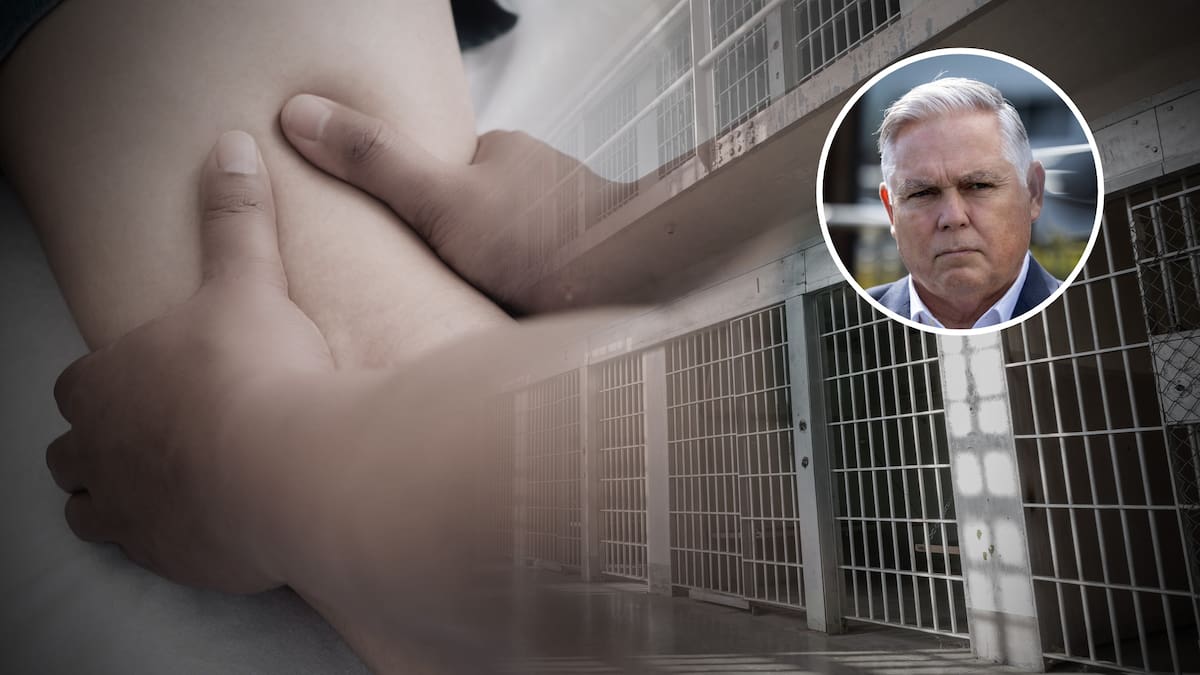
In the initial procurement documents, Corrections said there was a clear need for the services.
“Rongoā Māori is needed in the New Zealand corrections system given the significant over-representation of Māori and high levels of mental health need,” Corrections wrote in the listing.
Rongoā Māori care has been trialled at Tongariro Prison. Photo / NZME
“More than 50% of people in prison identify as Māori, and over 90% have experienced a mental health or substance use disorder in their lifetime.”
The listing says during mirimiri treatment “clothes [are] to remain on at all times”.
Corrections expected 111 hours of the programme to be provided each week, at an hourly rate of $175 an hour.
That works out at $19,400 a week, or just over a million dollars a year.
The total budget for the programme was $9m.
On Tuesday morning, Mitchell’s office was asked by Newstalk ZB whether he was aware of the plans.
Three hours later, he confirmed he wasn’t and said the programme “doesn’t meet my expectations”.
“When I came in as minister, I was very clear about taxpayers’ money being used in rehabilitation had to be put towards practical skills.”
Moments after Mitchell’s comments, Corrections deputy chief executive Leigh Marsh confirmed the project had been paused.
Corrections deputy chief executive Leigh Marsh says it focuses on programmes and services that help reduce reoffending.
“We are continuously reviewing the programmes and services we deliver to ensure people are getting the right treatment and support at the right time, and that we are focusing on programmes and services that produce the best results in reducing reoffending and keeping the public safe.”
Mitchell said Corrections funding should be used for programmes to upskill prisoners, including with driver’s licences, or engineering and farming skills.
“I’m not against cultural programmes, or any other programmes being run in our Corrections facilities. In fact I encourage that. But taxpayers won’t be paying for it.
“It was alerted to me that this massage programme was being run, and I’ve reminded Corrections of my expectations around rehabilitation.”
Asked for his thoughts on the programme, Act leader David Seymour said it would be “sickening” for victims to hear offenders could be receiving traditional massages behind bars.
“It’s a good example of how the bureaucracy will try on this rubbish if they think we’re not looking,” Seymour said.
New Zealand First leader Winston Peters labelled it “voodoo BS and a waste of taxpayers’ money”.
He also criticised Corrections officials.
“As a minister, you shouldn’t have to trawl down like some sleuth on every occasion for every dollar. That should be itemised in front of you.
“I don’t blame Mitchell; he’s got an extraordinarily difficult job. He should have been told.”
Rongoā Māori programmes ‘highly successful’ – provider
In March, when details of a wider rongoā Māori programme first surfaced, Corrections defended the plan.
“This service provides an all-of-person view of their health by addressing physical needs alongside their mental, emotional, spiritual and social needs.
“It complements and works alongside other healthcare interventions available to people in prison.”
A Corrections spokesperson said rongoā Māori services had been part of a programme in Christchurch Women’s Prison since late 2024 and they were successfully piloted at Tongariro Prison from January 2025.
“Feedback from insight surveys indicated that participants showed improved physical and mental wellbeing, and the ability to be future-focused and motivated.”
Whanganui healthcare provider Te Oranganui has been providing rongoā Māori services as part of a kaupapa Māori alcohol and drug programme at Whanganui Prison for several years.
In March, chief executive Wheturangi Walsh-Tapiata said rongoā Māori programmes in prison had been successful.
“We find it highly successful as an alternative that sits alongside other kaupapa Māori practices or clinical approaches we offer.
“Increasingly, people are looking at a duality of approaches when it comes to healing.”
Ethan Griffiths is a political reporter with Newstalk ZB, based in the Parliamentary Press Gallery. He joined NZME as a print journalist in 2020, previously working as an Open Justice reporter in the Bay of Plenty and Wellington, and as a general reporter in Whanganui.