
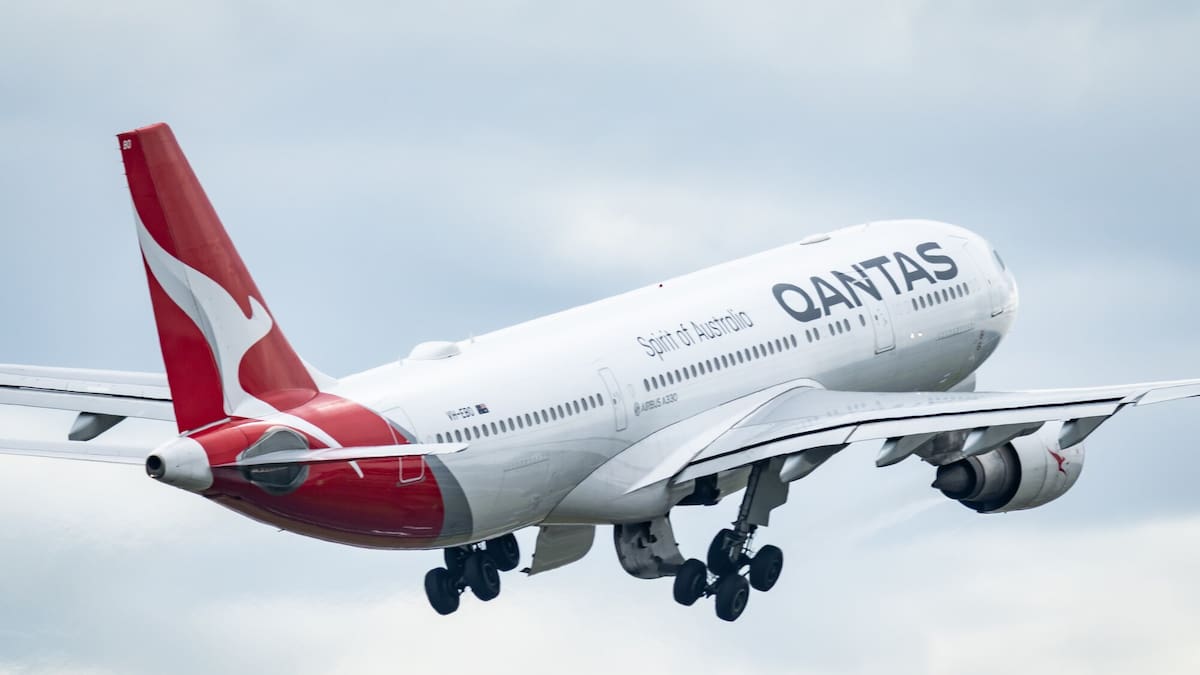
“Airlines are experiencing disruptions today due to air traffic control staff shortages in Sydney, and we know many of our customers are feeling the impact,” Qantas said.
“This is causing some delays and cancellations across Qantas and QantasLink services today,” the airline said on social media.
“Our teams are working hard to get customers moving.”
The delays today follow weeks of mounting frustration from airlines about Australia’s air traffic control agency.
Airservices Australia said no significant delays had happened since 2pm New Zealand time.
It said air traffic flow management (ATFM) measures were enacted for two hours and 55 minutes because of “operational restrictions”.
ATFM in this context meant holding departing aircraft on the ground rather than having levels of air traffic exceeding capacity.
Airservices Australia said the ATFM restrictions helped it safely manage projected airborne and departure demands.
“Airservices acknowledges the ATFM measures, which have now been removed, caused disruptions to airline scheduling. However, capacity has since been restored …” the agency said this afternoon.
The agency took issue with commentary about the performance of its air traffic controllers.
“Airservices air traffic controllers are incredibly proud and dedicated to performing what is a demanding, safety-critical role.
“We take their wellbeing and psychosocial safety seriously and ask that commentary on operational performance recognises the professionalism and commitment of the controllers working every day to keep the travelling public safe.”
On July 30, Airlines for Australia and New Zealand chief executive Stephen Beckett said Airservices Australia had experienced persistent operational issues.
Beckett said those were because of inadequate staffing of critical air traffic control functions.
He said repeated disruption caused by air traffic control staffing shortages was “entirely avoidable and completely unacceptable”.
Airservices’ proposed fee hikes have also irritated airlines.
In April, Airservices proposed annual price increases between the 2026-27 financial year and the 2030-31 financial year equating to an average weighted annual price increase of 15.2%.
It said its increases would add around A$1.50 ($1.79) per passenger to an average one-way flight, with a lower impact on regional flights.
John Weekes is a business journalist covering aviation. He also has experience covering consumer affairs, crime, politics and courts.
Stay ahead with the latest market moves, corporate updates, and economic insights by subscribing to our Business newsletter – your essential weekly round-up of all the business news you need.