
Back home,
the Green Party is pushing for a one-year halt on any new centres so rules can be drawn up.
“Right now, AI data centres can be consented behind closed doors, with no community input. Experience overseas has seen these projects turn local water supply to sludge and suck huge amounts of energy, driving up prices for regular people,” said co-leader Chlöe Swarbrick.
University of Auckland AI expert Dr Kerry McInerney told The Front Page that New Zealand should have its own AI strategy similar to Australia.
“I think one of the reasons why we’re having this big conversation about data centres right now is because AI, and particularly generative AI tools, have exploded into people’s lives over a really short period of time,” she said.
“If you think about how long it took a wide number of people to pick up the smartphone compared to how many people were immediately using ChatGPT upon its launch, that rate of increase of uptake is quite staggering. Even OpenAI was really shocked by how ChatGPT was received.
“There have been so many technical leaps forward that have been really quite astounding. But at the same time, I think why people have started to push back against data centres is that as these tools have become not only more sophisticated but more ubiquitous, so part of our everyday lives, people have also started to get quite fatigued by AI and the constant promotion of AI and demonisation of AI.
“That’s quite an exhausting information landscape for people, and they’ve also started to feel quite disempowered by what companies like OpenAI are doing.
“They’re worried that jobs are drying up. They’re worried that the things that they’ve loved and enjoyed in the present won’t exist in the future. They’re worried again about these wider environmental impacts that AI use now might be having on them but also on future generations.
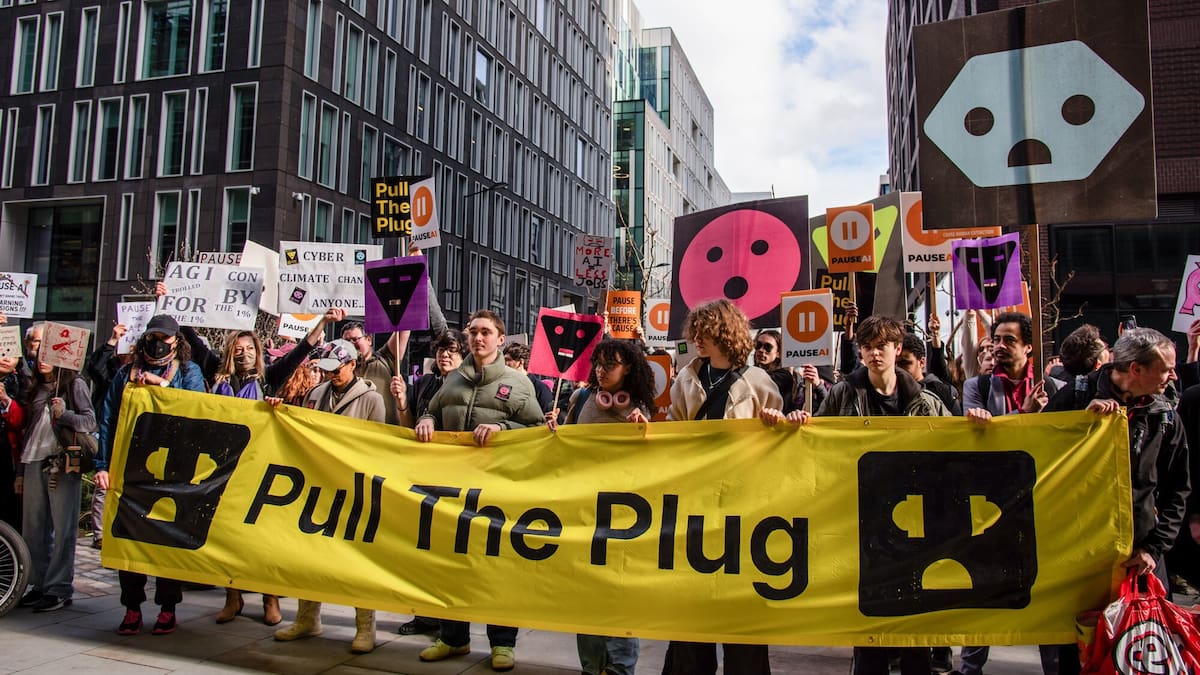
“I think that this backlash against data centres, it’s about the real concerns to do with data centres, the air pollution, the water use, the energy use, the noise pollution, but they’re also, I think, a way that ordinary people who often feel quite disempowered can quite tangibly strike back against big tech.
“We’ve seen in the US. I believe this year alone there’s been 75 different data centre projects that have been blocked or delayed, leading to $130 billion of lost investment. So people are actually having a really big impact in this space and feeling like they can speak back in some way.”
Listen to the full episode to hear more about:
Power and water demandsLessons from overseasResponsible AI Community fears.
The Front Page is a daily news podcast from the New Zealand Herald, available to listen to every weekday from 5pm. The podcast is presented by Chelsea Daniels, an Auckland-based journalist with a background in world news and crime/justice reporting who joined NZME in 2016.
You can follow the podcast at iHeartRadio, Apple Podcasts, Spotify or wherever you get your podcasts.