
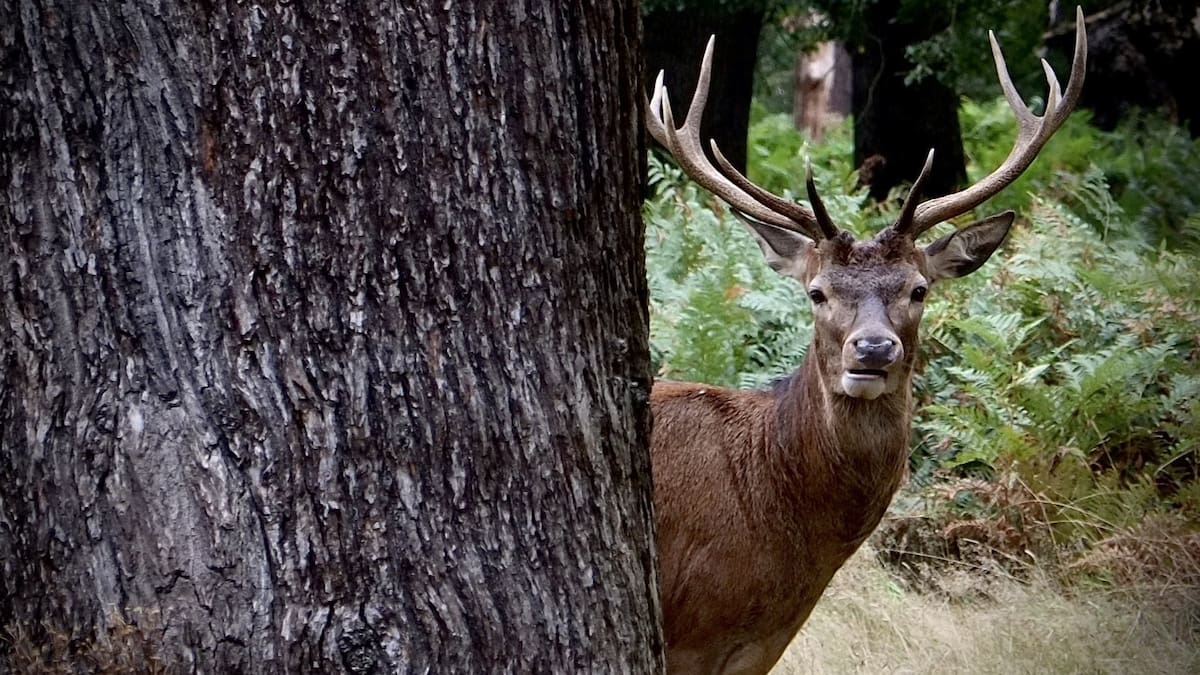
It is all to do with regulations, as DoC explains: The Wild Animal Control Act 1977 is the primary legislation governing introduced wild animals in New Zealand. Feral deer are classified as wild animals and managed as pests because of their impacts on native ecosystems and biodiversity.
Deer not contained behind effective fencing or managed as livestock are considered wild animals under the Act. These animals must be actively controlled rather than protected.
DoC administers the Act and leads wild animal control nationally. Management focuses on reducing deer populations to limit environmental damage. Hunting is the primary tool for managing feral deer populations. Recreational and commercial hunting are supported, including aerial recovery operations.
The OIA response from HBRC about deer control stated that feral deer are managed within priority ecosystems that have been deer fenced.
These sites are primarily QEII and DoC covenanted sites plus some uncovenanted private land.
HBRC does not have the resource or political or legal authority to manage feral deer at scale. The council’s focus has been to deer fence as many priority ecosystems as possible and remove any feral deer from within them. However, only 2045 hectares of native bush is deer fenced in Hawke’s Bay under this programme.
Effective deer control requires strong DoC leadership to co-ordinate control programmes. Apparently, this involves agreement with all parties (a social contract) involving DoC, regional council, landowners and hunters.
DoC has not provided, and seems unlikely to be able to, provide this leadership so there has never been a co-ordinated effort to control deer numbers on farmed lands. Consequently, deer have moved from the ranges down retired waterways to settle in a land of green feed crops, nutritious grasses and hand-planted native vegetation.
There has been an uncontrolled invasion of feral deer and a consequent destruction of years of careful biodiversity planning, planting and management as well as economic loss to farmers.
Sadly, if this continues, the environmental destruction will result in increased flooding and damage across the Heretaunga plains and other productive areas.
MacIntyre commented one farmer reported losing about $37,000 worth of native plantings over a five-year period from deer grazing.
His analysis showed when 100 deer get half their annual feed requirements from productive pasture, farmers lose more than $10,000 per year.
Of course, the recreational shooters will say they can provide the solution. But they are not the solution. There are too many problems ranging from safety, ownership, to rights of access.
Most farmers, quite rightly, are not willing to give free access to shooters. There are too many memories of gates being left open, domestic stock being shot and owners being threatened.
Some farmers have taken the opportunity to charge for shooting access and hence use deer as a secondary source of income while others prosecute shooters.
Sections of the community see deer as cheap meat and hence a potential community asset. Very few are even aware of the short- and long-term negative environmental aspects of the situation. Recreational shooters will not exterminate the deer. Once the animal’s condition drops off shooters will go elsewhere, numbers will build again and the vegetation will never recover.
The system is a shambles.
Without strong leadership by DoC it will become a political and economic issue for farmers as free meat will be advertised as a carrot for increased access while any environmental, structural or cultural damage will be the unwanted responsibility of the farmer – and all while the environment suffers.