
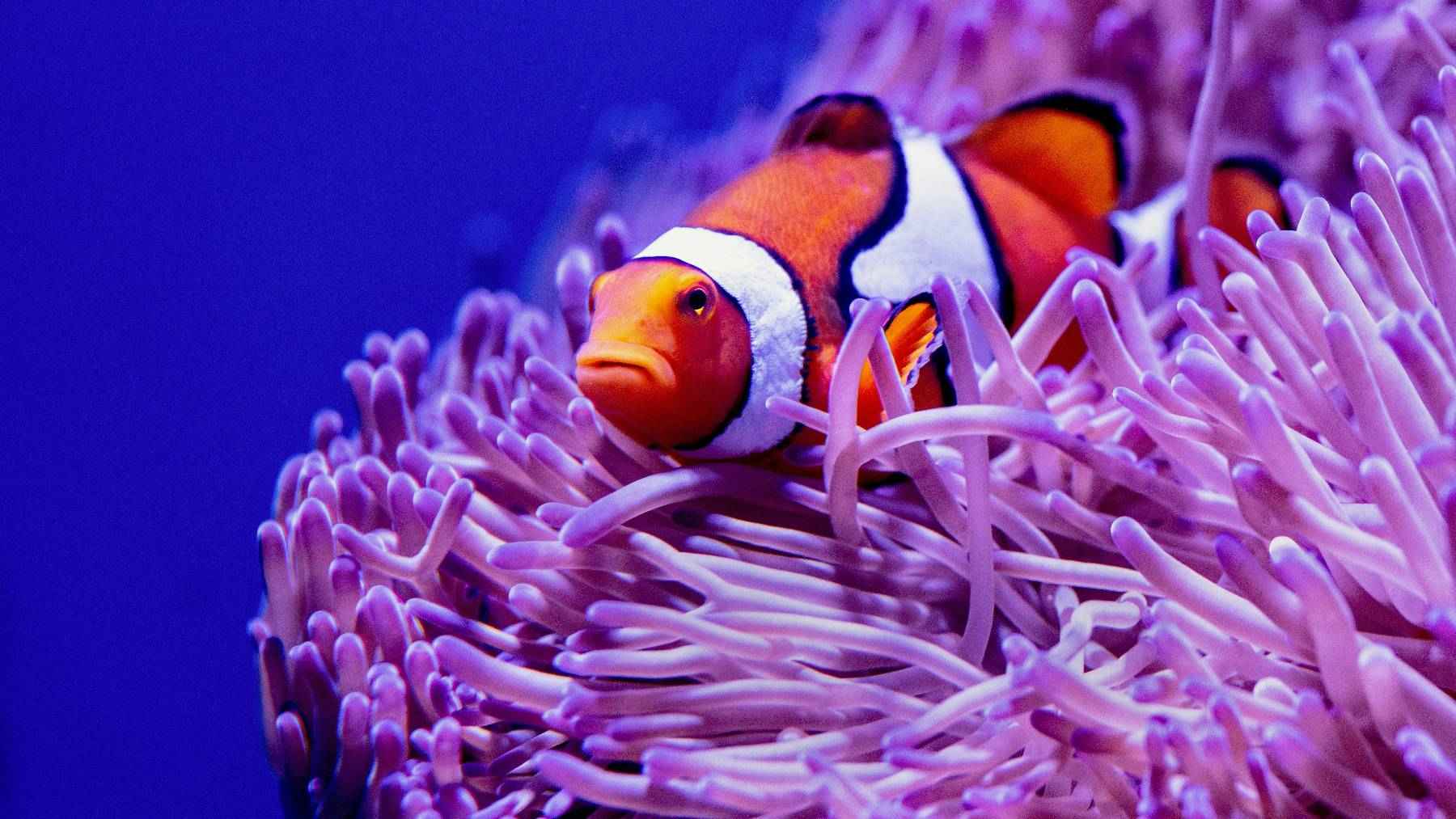
In Kimbe Bay, the normally warm waters are heating even more. Clownfish are increasingly reverting to their iconic anemone-loving behavior, taking refuge from the temperature surges in their anemones.
They do not retreat to deeper, cooler waters to cope. Recent field tracking data indicates a specific mechanism keeping the fish alive in the rising coral reef temperatures.
But to what extent can the species absorb the physiological changes and still survive the heat stress?
How reef populations have temperature changes to deal with
Papua New Guinea’s shallow waters are teeming with bright orange clownfish, or anemonefish—the species made famous by the movie Finding Nemo. They look happy darting around their anemones and getting a rub from the tentacles, but this is actually a protection strategy.
The venomous tentacles are the clownfish’s only shield from reef predators. However, they restrict movement.
Open-water species of fish can head to deeper, cooler waters when the upper layers get too hot to handle, but clownfish are bound to one anemone host for life.
Newcastle University dispatched researchers to Kimbe Bay, where they set up a study focused on how clownfish cope with rising ocean temperatures. Every four to six days for five months, the team measured individual fish and recorded their physical changes in their natural environment.
The increasing temperatures speed up internal metabolism, forcing the fish to burn more energy. But at the same time, the availability of food drops because the food network is disrupted while all marine life starts increasing its intake.
Related
Most fish grow continuously until adulthood and often beyond, and shrinkage is super rare. However, rising temperatures in shallow waters are forcing a shift in physiology that is affecting clownfish in particular.
Clownfish size is linked to social hierarchies
Clownfish operate within a clear social hierachy. One anemone generally houses a single breeding pair and several smaller subordinates that do not breed at all. Rank is determined by body size, with the largest fish being the dominant female. The second-largest is her male mate, and so on.
Subordinates have to remain smaller than the breeding pair; otherwise they will grow large enough to be perceived as a threat. Competitors will be driven from the reef into open water, becoming prey before long.
Heatwaves in the ocean trigger aggression and territorial defense. For clownfish, the pressure to maintain size differences and peace in the anemone home becomes more intense. Lower-ranked fish cannot leave without being immediately vulnerable to predators, so remaining within the strict relative size limits is imperative.
Researchers monitored 134 individual fish across multiple reefs to track how they dealt with both thermal stress and social pressure during high heat events.
Reversible physical shrinking as a survival mechanism
Field research results published in Science Advances showed that 100 out of 134 tracked wild clownfish physically shrank in body length.
Rather than simply losing weight, these fish grew shorter by reabsorbing bone and connective tissue. This process resembles how marine iguanas shrink during severe food shortages. Shrinking increased individual survival chances during heat stress by up to 78 percent.
Related
Breeding pairs also coordinated their shrinking together. By reducing length in tandem, mates maintained exact relative size ratios, according to Oceanographic Magazine. That preserved social stability and prevented domestic conflict within the host anemone.
This is not a sustainable strategy
Shrinking lowers metabolic energy demands while keeping fish safely anchored inside their protective hosts. However, bone reabsorption serves as an emergency survival response rather than a permanent long-term defense against ocean warming.
In the shallow waters of Kimbe Bay, these small reef residents demonstrate how flexible animal bodies can be under severe environmental stress. Yet physical shrinkage has natural limits, and extreme marine heatwaves continue to push coral habitats into danger.
This unexpected flexibility raises broader questions about how other organisms cope with rising temperatures, including how species adjust their migration routes across open ocean waters.
The details of the study can be found here: Melissa A. Versteeg et al., Individual clown anemonefish shrink to survive heat stress and social conflict. Sci. Adv.11,eadt7079(2025).DOI:10.1126/sciadv.adt7079.