
Kiwi were also being moved to Wellington, Taranaki and Tongariro.
“Sourcing kiwi for translocation and release into Karioi Rāhui has been a long-held aspiration of Ngāti Rangi in re-establishing both presence and responsibilities in the area,” Leahy said.
She said signs and training dogs to avoid kiwi were vital to keeping them “protected, healthy and present across our rohe”.
“While we celebrate both the observations and the calling that signify kiwi presence in the area, we join with other agencies in encouraging responsible community action.”
Ngāti Rangi kaihonohono-a-rohe (environmental and relationship adviser) Fred Clark said they had submitted a proposal, alongside Save the Kiwi, to release more kiwi in the area by 2030.
The nationwide kiwi population is declining by 2% every year, according to Save the Kiwi’s website.
Ngāti Rangi and DoC said on Thursday that the recent sighting was a “wonderful moment”.
It was unconfirmed which conservation area the reported kiwi had come from.
DoC principal ranger Serena Taylor said an adult male kiwi’s call was also heard on Te Ara Mangawhero, just off the Mountain Rd, last week.
“These records are thrilling but also strike a note of caution,” Taylor said.
“Kiwi have very fragile bodies. They don’t have the strong breastbones other birds have, so even a gentle nudge from a curious dog can crush their ribs and internal organs. All dogs, no matter their breed, can act on instinct and chase or kill a kiwi.
“A responsible dog owner out naturing can do two things to protect kiwi: always follow the rules for an area, whether it be no dogs, dogs on lead, or otherwise; and if you’re regularly out in the bush with your dog, get kiwi avoidance certification,” Taylor said.
Kiwi avoidance training is frequently available in the Ruapehu area at little to no cost.
Three Ngāti Rangi members were recently trained as certified kiwi handlers, Clark said.
“And we’re into the second phase of developing the training programme.”
Efforts had been led by Ngāti Rangi, Doc and Save the Kiwi, with support from Predator Free Ohakune, local volunteer trappers and the community at Puketawa and Slip Tracks.
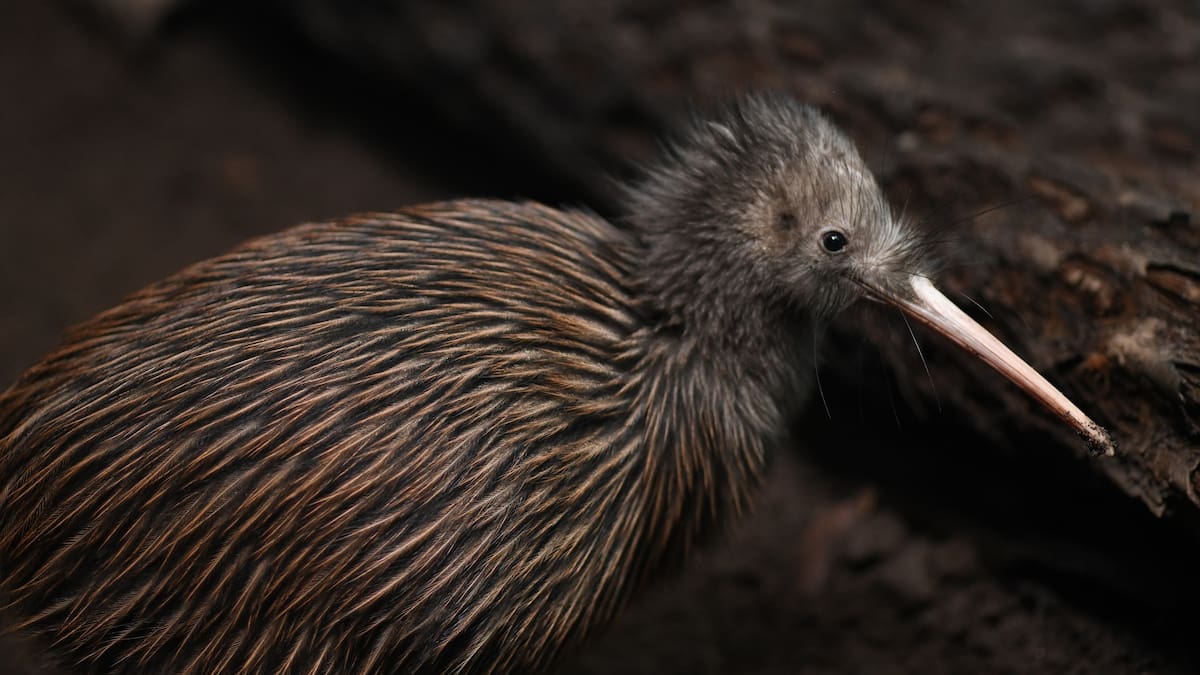
Department of Conservation (DoC) and Ruapehu iwi Ngāti Rangi are urging caution and responsible community action after the first known sighting of a kiwi at Rangatauanui Lake.
Noam Mānuka Lazarus (Ngāti Whātua o Kaipara) is a multimedia journalist at the Whanganui Chronicle.