
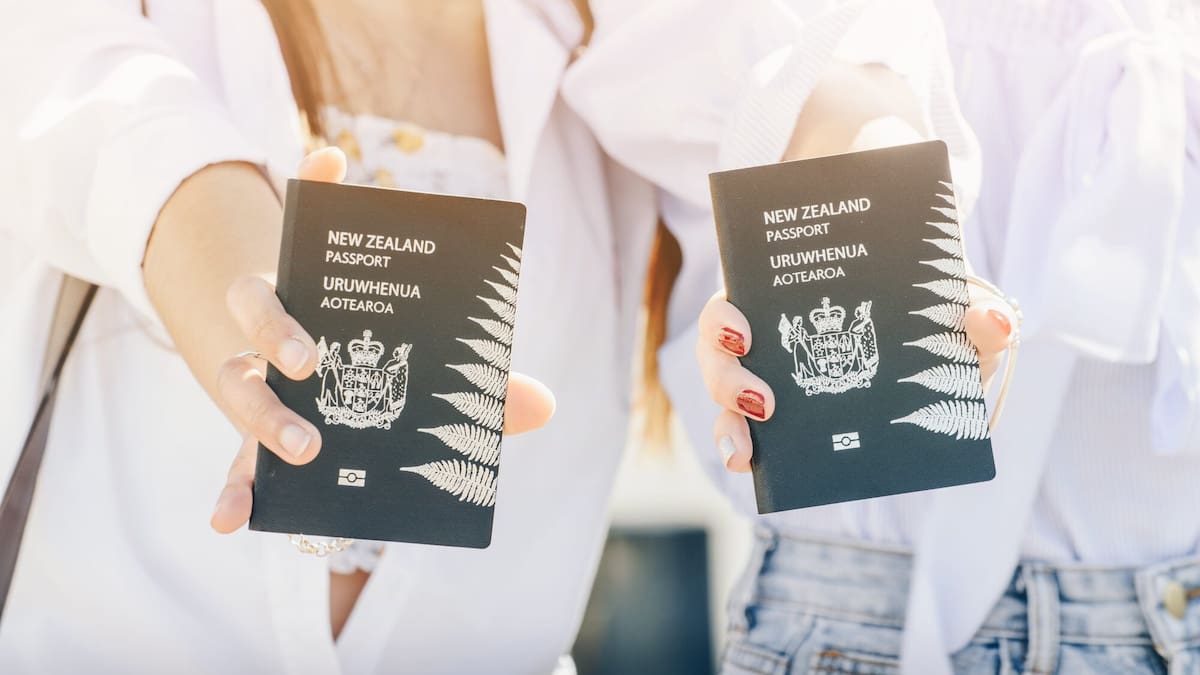
I stopped looking at flights and glanced at the two passports lying beside my laptop. I picked up mine. It was black, with a silver fern on the cover, and seemed exactly the sort of document that ought to be useful in a situation like this.
“Right,” I thought. “Where are we going?”
The passport was less helpful than expected. It confirmed that I was a New Zealand citizen, gave my date of birth and contained a photograph that looked enough like me to get through immigration. But there was nothing under:
Country to go back to when instructed.
So I tried to work it out myself.
China was the obvious candidate. I was born there, and for many years, whenever someone asked where I was from, “China” was the easiest answer.
Then I moved to Singapore, where I lived for years and became a permanent resident. Later, I moved to Sydney, and then to New Zealand. That was when the answer started to get complicated.
When I arrived at Auckland Airport from Sydney, an immigration officer looked at my Chinese passport and asked where I was from. I hesitated.
Sydney? Singapore? China?
He was probably making conversation. I was conducting a census.
Eventually I became a New Zealand citizen and changed passports, and something interesting happened: the questions mostly stopped. When I travelled to China, I stood in the foreign-passport queue. Being classified as a foreigner in the country where I had been born felt strange at first, but my passport showed no sign of an identity crisis.
Coming back to New Zealand was easier: Citizens. That way. For once, nobody needed my life story.
Then, while waiting for a flight to Shanghai at Auckland Airport, an older gentleman sat down beside me.
“So, where are you from?” he asked with a smile.
Ah, the familiar question again. Rotorua? Or did he mean where I was born?
“Actually, you must be a Kiwi.”
I hadn’t even answered, and my passport was in my bag. How did he know? He must have seen the confusion on my face because he pointed at my jacket.
“Kathmandu.”
I looked down, then noticed he was wearing one too. We both laughed.
After years of visas, passports, permanent residency and citizenship, apparently my national identity had finally been settled by outdoor clothing.
I returned to the passport. On the back was a map of New Zealand, and I looked at the islands for a moment before remembering the headline.
“Go back to your own country.”
Back.
That was the problem.
Where are you from? could mean birthplace, nationality, hometown, last address, or simply an attempt to make conversation. But go back came with instructions, and instructions required a destination.
China? I was born there, but I no longer held a Chinese passport.
Singapore? I had once been a permanent resident, but that was years ago.
Sydney? Surely one year did not qualify for deportation rights.
I was running out of countries.
Then I noticed another black passport beside mine. My daughter’s.
I opened it. She was born in New Zealand, which should have made things easier. Instead, I found myself travelling backwards through her family tree, across countries and generations, looking for somewhere to send her.
I stopped.
What was I doing?
I looked at her passport, then mine. Two black covers, two silver ferns.
Then I realised something embarrassingly obvious. The man in the headline was a New Zealander. So was the person who told him to go back to his country.
I looked at my passport. It seemed almost amused.
“Aha,” I laughed. “That one.”
Then I put the passport down and clicked “Confirm” on our flights to China.