
The early results are very encouraging, but this was a small study.
“The next step is a much larger national trial to find out whether EMDR improves symptoms and helps people rebuild their lives. This could provide the evidence needed for it to become part of NHS critical care recovery pathways,” said Bates.
In January 2024, Hazel Southam from Hampshire was rushed to hospital with the sudden onset of a rare autoimmune condition.
She spent over two months in hospital in Southampton and London, including 43 days in intensive care and three weeks in an induced coma.
“I couldn’t breathe and thought I had died at one point,” Southam said.
“I was well cared for but experienced delirium, probably because of the medication. I was later told that I had post-ICU PTSD.”
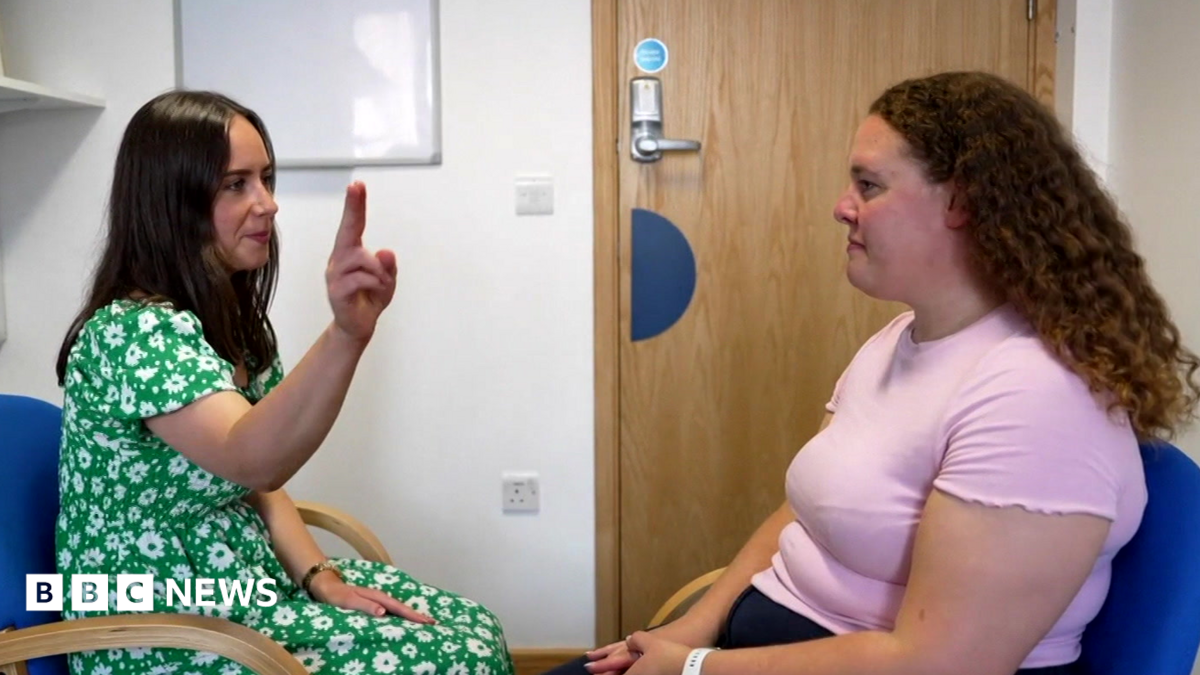
The experience in ICU left her with insomnia. After two rounds of EMDR therapy her symptoms of PTSD including her sleep improved.
“Before EMDR I was incredibly anxious, and stressed and suffered from insomnia, after EMDR I understood what had happened to me, it didn’t hold as much fear and I could sleep.”