
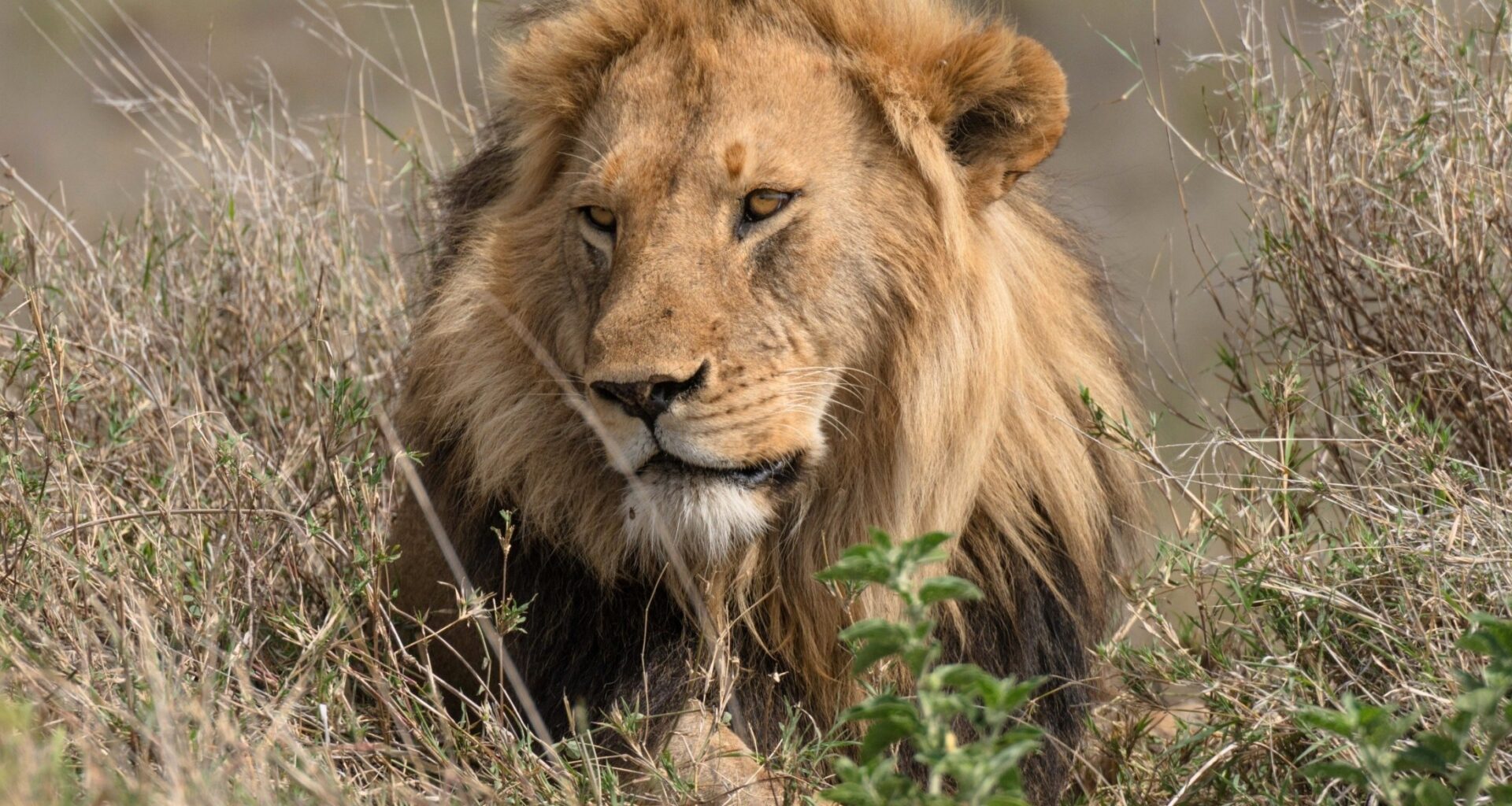
World Lion Day 2026 highlights lion recoveries, while habitat loss, poaching, conflict, and inbreeding still threaten their survival.
Lions are the most recognizable big cat on Earth. That fame has not kept them safe.
Every August 10, World Lion Day celebrates the world’s love of lions while drawing attention to the threats they face. This year, the numbers tell two very different stories.
India counted a record 891 Asiatic lions. Across Africa, lions continue to lose habitat and prey, while a growing trade in their bones and skins adds to the pressure.
A bigger population is good news. It is not the same as a healthy one, and that gap is the real story this year.
Lions are losing their habitat
The International Union for Conservation of Nature (IUCN) lists the lion as Vulnerable. The latest count put Africa’s total near 23,000 adult lions in 2023.
Lions now roam across about 606,000 square miles (1.57 million square kilometers). That is just 7.4 percent of their historic range, and about 36 percent less territory than they occupied in 2002.
Researchers see that shrinking range as evidence that lion numbers have fallen too. But they caution that population estimates are rough because survey methods vary and some regions lack recent data.
Lions are also the top predator across most savanna, eliminating weak and sick prey and slowing the spread of disease.
Wildlife trade adds to lion threats
Farms, roads, and expanding settlements continue to break up lion habitat. As wild prey disappears, lions turn to livestock, bringing them into deadly conflict with herders.
Snares set for bushmeat make the problem worse. They reduce the prey lions depend on and can also trap and kill lions themselves.
Researchers recently reported that poaching for lion bones, claws, teeth, and skins is getting more organized. They traced parts of the trade to networks that cross African borders and reach buyers in Asia.
Some poachers lace a carcass with poison to draw lions in. One bad kill can take out much of a pride, plus the vultures and other scavengers that feed on the same body.
The team called for tighter monitoring, smarter enforcement, better laws, and work to cut demand.
The trade does not replace habitat loss or conflict. It only adds to them.
Locals can reduce lion killings
Protected parks matter, but lions ignore the boundary lines. They wander through grazing land and past villages, hunting for prey, mates, water, and new territory.
Those trips put livestock, income, and sometimes people in danger. Conservation falls apart if it asks rural families to accept every loss while strangers far away simply enjoy knowing lions exist.
Practical fixes bring the cost down. Sturdy pens help, along with GPS alerts, quick-response teams, and a fair cut of tourism money for nearby households.
In Tanzania’s Ngorongoro Conservation Area, Ilchokuti lion guardians track the cats and warn herders when one is close. They round up strayed livestock, patch up enclosures, treat hurt animals, and calm people after an attack.
Recorded lion killings there dropped from a high of 13 in 2016 to zero by 2021, one 2025 study reported. Over the same years, lions started crossing the shared land between protected areas more often.
India’s lions hit a record
India has one of the clearest recovery stories anywhere. Its Asiatic lions climbed from 523 in 2015 to an estimated 891 this year.
Their range in Gujarat widened too, from around 11,600 square miles in 2020 to nearly 13,500 square miles. Lions now hold forest patches, river corridors, and ground beyond the old Gir stronghold.
Project Lion pulls several tools together. It manages habitat, watches for disease, treats sick cats, and brings local communities into the work.
More lions also means more contact with people. As the cats spread into land people use, officials have to guard travel routes, cut avoidable deaths, and respond fast.
That work remains urgent because every wild Asiatic lion on Earth still lives in Gujarat’s Saurashtra region.
Inbreeding threatens isolated lions
A population can grow and still lose its genetic health. When roads, farms, and fear cut lions off, related animals breed with each other for generations.
A study looked at the lions of Tanzania’s Ngorongoro Crater. The researchers found that long isolation had raised inbreeding and the load of harmful gene variants, even after the population recovered from an earlier crash.
In the team’s models, the fix was small. One to five breeding males arriving each decade would hold off further genetic decline.
Corridors are what let that happen. Safe passage lets lions find mates, claim territory, and carry fresh genes between prides. They also give lions somewhere to go when drought or fire hits.
Where recovery is working
Two parks show recovery is possible. In Senegal’s Niokolo-Koba National Park, government and Panthera teams grew the West African lion population from roughly 10 to 15 animals in 2017 to about 30.
Panthera reported that poaching in the park has fallen by about 80 percent. Better patrols, closer monitoring, and local cooperation have given lions and their prey a chance to recover.
Zambia’s Kafue National Park tells a similar story after years of steady protection. More than 200 lions are now tracked and guarded across the wider Kafue landscape.
None of it is permanent. The gains disappear when funding dries up, patrols thin out, or communities stop trusting the people running the project.
Significance of World Lion Day 2026
The open question on World Lion Day 2026 is not whether lions can come back.
It is whether those comebacks hold once the money and attention move on, and whether isolated prides stay genetically healthy long enough to count.
Saving lions will take more than keeping their numbers from falling. A lion population can grow and still be in trouble.
The real measure of recovery is whether lions can keep moving, breeding, and surviving across the landscapes they have left.
—–
Like what you read? Subscribe to our newsletter for engaging articles, exclusive content, and the latest updates.
Check us out on EarthSnap, a free app brought to you by Eric Ralls and Earth.com.
—–