
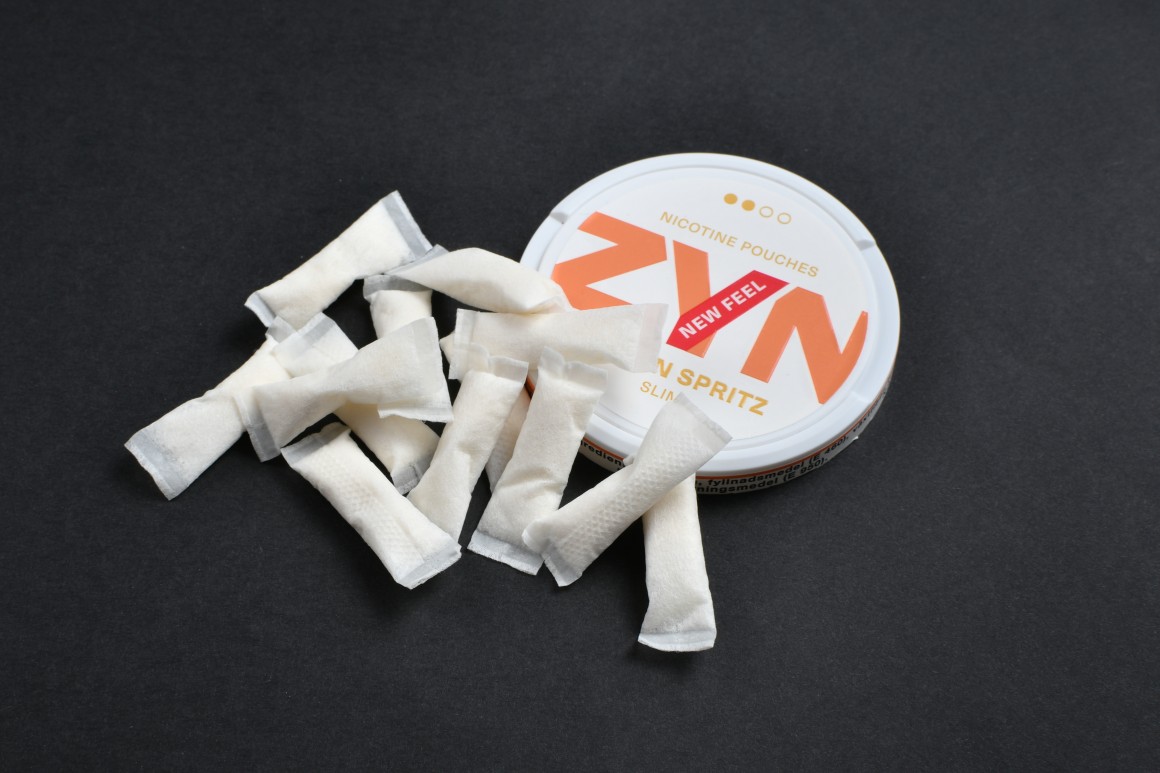
New research from the University of Otago suggests many young people feel concerned that oral nicotine pouches (ONPs) may increase use of nicotine products rather than support smoking or vaping cessation.
Social media marketing presents ONPs as safe, discreet and desirable and, although ONPs cannot be legally sold in Aotearoa New Zealand (NZ), young people have little difficulty accessing the products. Although many young people urgently want help to stop vaping, the lack of robust independent evidence documenting ONPs’ safety and effectiveness as cessation aids suggests NZ should adopt a precautionary approach to their regulation, either by maintaining current sales restrictions or by allowing only therapeutic sales routes. Developing youth-oriented vaping cessation services should also be an urgent priority.
Oral nicotine pouches (ONPs) are small sachets containing synthetic nicotine (not derived from tobacco) that people place between their gum and upper lip;1 unlike cigarettes and vaping products, ONPs produce no smoke, aerosol or odour. While ONPs are not legal to sell in NZ, people may import them for personal use, and the Government has signalled that it intends to allow domestic sales. Our earlier Briefings (see here, here and here) provide more detailed background.2-4
Marketing presents ONPs as modern, convenient and socially acceptable. Not surprisingly, sales have risen rapidly in countries where they are legal to sell, such as the United States,5 and prompted concerns that use will occur primarily among young people, most of whom do not smoke.6 To explore the relevance of these concerns in NZ, we interviewed 25 people aged 16–25 and probed their awareness, perceptions and experiences of ONPs, and report the findings in a recently published article.7
Several participants had seen social media promotions for ONPs, particularly on Instagram and TikTok, where influencers and sportspeople used ONPs during training or socialising.8, 9 This advertising paired ONP use with positive attributes, such as fun, discreetness and consideration, and normalised nicotine use.10,11
Participants saw ONPs’ lack of smoke or aerosol as a benefit enabling people to consume nicotine without attracting attention, risking judgment or affecting others.12 Yet this same perceived benefit creates important public health challenges as ONP use may occur unnoticed in schools, workplaces, or social settings and support an invisible renormalisation of nicotine use among young people.
When assessing ONPs’ risks, participants used heuristics, such as the absence of inhalation, which they assumed would reduce risks associated with vaping and smoking. Packaging using eye-catching colours and appealing flavourings, and marketing claims that ONPs are “tobacco-free”, reinforced these perceptions and presented ONPs as desirable consumer accessories rather than highly addictive nicotine products. Several participants compared ONPs’ appearance to confectionery and drew on the product design, marketing claims, and others’ endorsements to create a risk hierarchy that rationalised experimentation and minimised harms.
While some reported using ONPs to reduce or replace vaping, which they had found very difficult to quit, others anticipated that ONPs would complement vaping, expand their repertoire of nicotine products and enable nicotine use throughout the day. Experiences of ONPs varied; a small minority reported having stopped vaping by transitioning to ONPs, but others reported poly use, which could prolong or even increase nicotine dependence.
Many reflected on youth vaping regulation, which they thought had failed to prevent them or their peers from becoming addicted to nicotine. Although introduced as a “reduced harm” product for adults who smoke, vape product marketing that targeted youth, alongside low-cost devices, intriguing flavours, high nicotine content and easy availability, has caused vaping prevalence to rise rapidly among young people.13-15 NZ has some of the highest vaping levels in the world, and several participants felt concerned that inadequate regulation could see ONP use grow quickly among young people.16 Even those who thought ONPs could support vaping cessation called for strong regulation, and most felt NZ should adopt a precautionary approach and learn from the problems caused by regulating vaping products as consumer items.
We lack evidence documenting ONPs’ performance as a cessation tool yet have growing evidence of intensive youth-oriented marketing.5 We believe ONPs should not become legally available for sale until their safety and effectiveness as smoking or vaping cessation aids are established; should this evidence accrue, regulation must avoid errors made with vaping product policy. For example, policy requiring therapeutic sales routes, where ONPs would be supplied by health professionals who would help people addicted to nicotine become nicotine-free, could prevent youth uptake. Robust age verification, limiting flavours and packaging that appeal to young people, disallowing descriptors such as “tobacco-free” that could mislead people, and requiring clear health warnings about nicotine addiction and oral health risks could also protect young people.
Several participants highlighted the urgent need for accessible, evidence-based services that support vaping cessation among young people. Some used ONPs in an attempt to stop vaping because earlier efforts to quit had failed and they saw no other option; improving cessation services to cater for the many young people addicted to vaping should be an urgent public health priority regardless of future ONP regulation.
NZ has an opportunity to learn from the harms caused by poor vaping regulation and should require strong independent evidence of ONPs’ safety and effectiveness in supporting a complete transition from smoking or vaping before allowing domestic sales. People who smoke or vape and wish to quit deserve products that will help them achieve that goal, while young people deserve a policy environment that protects them from addiction and future harms.
What this Briefing addsSocial media and influencer promotions framing ONPs as discreet, considerate, contemporary and socially acceptable, have raised awareness and stimulated interest in the products. Study participants interpreted “tobacco-free” labels, confectionery-like packaging and flavours, and influencer endorsements as signalling low risk, an interpretation that belies ONPs’ highly addictive nature.Although a minority thought ONPs could help them to stop vaping, many thought ONPs’ discreetness would encourage dual use, increase opportunities for nicotine consumption and reinforce nicotine dependence.Implications for policy and practiceThe findings suggest ONPs should not be legalised until robust independent evidence demonstrates their safety and efficacy as smoking cessation tools. If introduced, ONP regulation should prioritise preventing youth uptake by developing therapeutic supply channels, requiring robust age verification and on-pack addiction and health warnings, and disallowing influencer marketing, youth-appealing flavours and packaging, and misleading descriptors such as “tobacco-free”. Developing youth-oriented vaping cessation services should be an urgent priority to respond to young people’s needs and discourage reliance on unproven nicotine products such as ONPs.
Authors details
Professor Janet Hoek, Co-Director of ASPIRE Aotearoa Research Centre, and Department of Public Health, Ōtākou Whakaihu Waka | University of Otago
Amelia Fitton, Summer studentship scholar and medical student, Ōtākou Whakaihu Waka, Pōneke | University of Otago Wellington
Jade Fisher, Summer studentship scholar and medical student, Ōtākou Whakaihu Waka, Pōneke | University of Otago Wellington