
This isn’t about prestige dining, the research indicates, it’s about getting close to a culture.
Travellers are seeking out neighbourhood spots, market stalls and meals that feel rooted in place.
The appeal lies in discovery: eating what locals eat, understanding how dishes are made, and experiencing food as a form of storytelling.
Culinary tourism resonates with Boomers seeking deeper cultural immersion, to families looking for shared experiences, and solo travellers looking for connections.
The Best Foodie Destinations in our NZ Herald Travel Readers’ Choice Awards, presented by Southern Cross Travel Insurance, are prime examples of places and cultures where food is much more than what’s on a plate or in a bowl.
READ MORE: NZ Herald Travel Readers’ Choice Awards 2026: All your winners revealed
As a longtime food and travel writer, just one plea: read up before you go.
You’ll have a much better experience in, say, Italy, if you know that cuisine is ferociously regional – where you should and shouldn’t eat pizza, or risotto, or carbonara, for example. Same goes for the other nations on the menu.
Banh mi is one of Vietnam’s must-eat foods. Photo / Getty Images
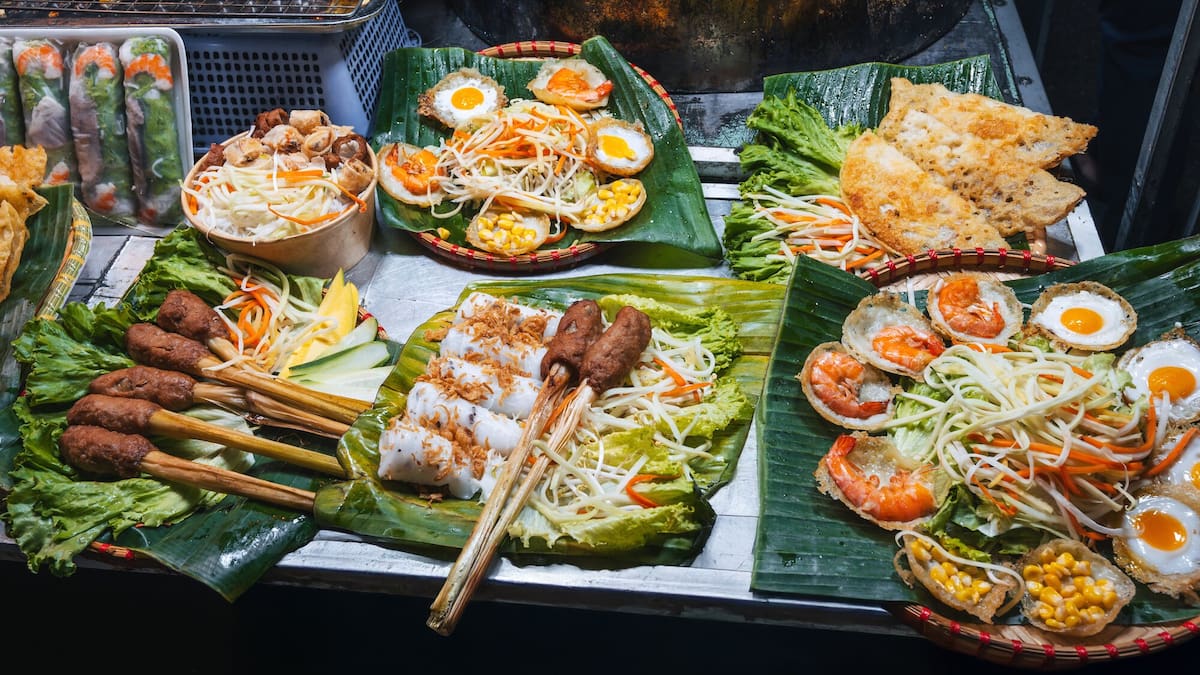
We’re landing in Vietnam, a great call from the readers, where dishes blend fresh herbs, crisp textures and deep broths, eaten in just about every possible nook and cranny from streetside stalls to bustling cafes. Try to book a wet-market tour and hands-on cooking class.
In recent decades we’ve been blessed with the arrival of Vietnamese cooks and eateries, so most of us will be familiar with pho, banh mi, spring rolls, spiced beef and crispy pancakes, and the French colonial-influenced baking. No disrespect, but they’re not the same as the ones you’ll eat in their home towns.
Tastes vary. Northern specialities around Hanoi favour clean, subtle, pepper-focused flavours; central, around Hue, dishes are bold, spicy, and complex, derived from old-time royal banquets; in the south, around Ho Chi Minh City, the food is sweeter, rich and herb-heavy.
And now for something completely different: Italy, not really a country, more a mouthwatering parade of thousands of dazzling and different menus. (Pro tip: Avoid the ones in five languages, laminated, with photos of the food.)
Like everything else in this bewitching and sometimes bewildering destination, eating out is governed by unwritten and unspoken etiquette, from the order in which courses are served, what should be eaten with which, and gelato does not go straight to the hips.
Quadrilatero market in Bologna. Photo / Unsplash
For foodies, best to skip in and out of over-touristed Rome, Florence and Venice, and make for Italy’s culinary heartland of Bologna, famous for traditional ragu, tortellini, balsamic and Parmigiano-Reggiano.
Naples for authentic wood-fired pizza and fresh mozzarella; Milan and Turin for risotto, truffles and osso bucco. To be fair, Rome can claim classic pasta dishes like carbonara, cacio e pepe and amatriciana. Wine? Anywhere.
Japanese traditional food Dango Mochi – grilled rice with miso.
We’ve already written in this series that Japan is the darling of global travellers, and a fair degree of that love affair is down to its cuisine – whether it’s the eyewatering abundance of vending machine and convenience store snacks, street food, department store food halls or multi-course fine dining at restaurants with stars in their windows.
Again, respect the regional specialties, as well as the ultra-fresh seafood (quite possibly sourced from somewhere you’re familiar with), and deep culinary tradition.
Yes, we think we know about sushi and sashimi, ramen, wagyu, tempura and yakitori; again, this is the real thing.
Street food in Bangkok, Thailand. Photo / 123rf
Last stop on this quick flit around your favourite food destinations is also in Southeast Asia. Akin to Vietnam, Thailand offers everything from cheap street-food stalls, busy night and floating markets to fine dining, and each region brings different ingredients, styles and flavours to the table.
Bangkok presents balanced, refined dishes like pad Thai, Massaman curry and royal court recipes; around Chiang Mai you’ll find mild, herbal flavours such as crispy noodle curry and communal feasts.
You want hot? Go to the northeast for the fiery, punchy, even sour dishes like papaya salad and sticky rice with grilled meat, or south, around Phuket and Hat Yai, which are famous for intensely spicy, coconut-heavy seafood dishes and turmeric-laden curries.
Best Foodie Destination
Vietnam Italy Japan Thailand Auckland Singapore Wellington Melbourne France Hawke’s Bay