
A 1News-Verian election poll on Wednesday showed the party on 9%, suggesting Act could win about 11 seats. However, actual election results will determine how many list candidates enter Parliament.
The district council’s acting general manager community and engagement, Ken Lewis, said a byelection in the Bay of Islands-Whangaroa Ward during the 2026-27 financial year would cost about $100,000.
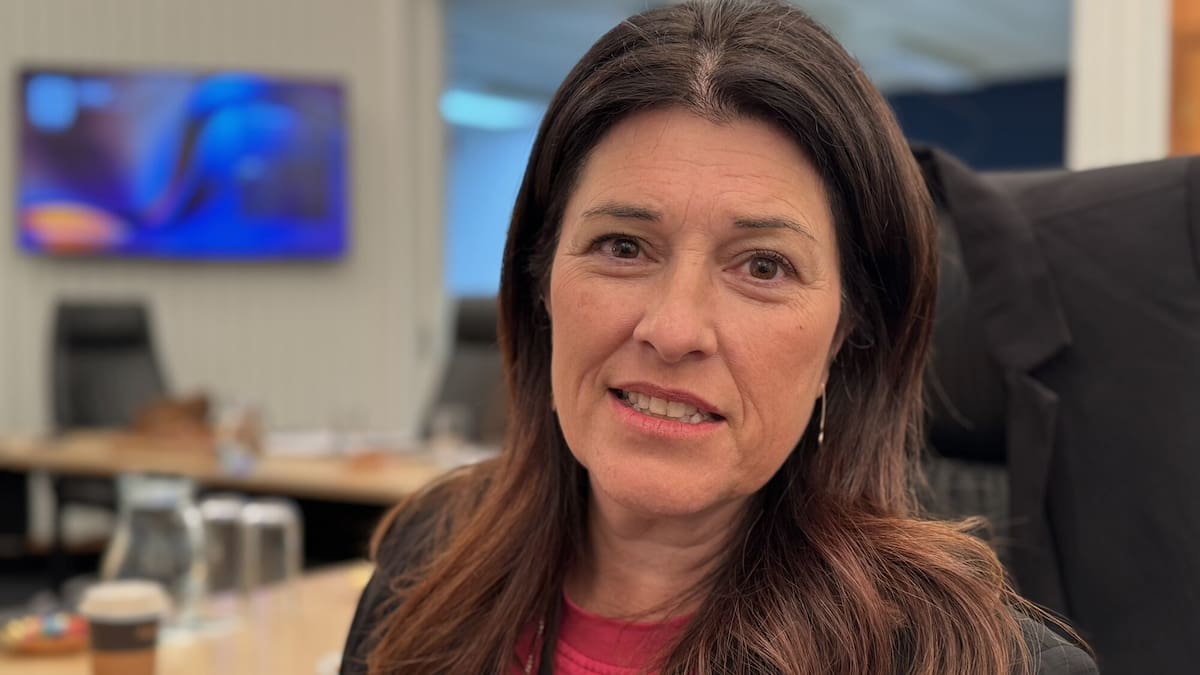
Smolders, who announced in late July that she was standing as an Act list candidate, did not respond to further questions from Local Democracy Reporting about her parliamentary ambitions.
Questions included why she had not informed the mayor of her intentions, whether discussions had been held about the implications of a possible resignation, and when she would resign if she secured a place in the top 11 on Act’s party list.
Smolders is serving her first council term after being elected in 2025 in the hotly contested Bay of Islands-Whangaroa Ward under an Act Local banner.
The ward’s three seats went to Ann Court (3677 votes), Smolders (2299) and Kelly Stratford (2260). Tyler Bamber narrowly missed out with 2065 votes.
When is a byelection triggered?
Councils are required to hold a byelection if a councillor resigns more than 12 months before the next local election, due in October 2028.
“This must normally be done within 103 days of the electoral officer receiving notice of the extraordinary vacancy,” Lewis said.
If a vacancy occurred between September 14 and November 20, 2026, a byelection could not be held before March 3, 2027.
If a councillor resigns within 12 months of the next local election, the law does not allow a byelection.
Instead, the council must appoint a qualified replacement or leave the seat vacant until the election.
Councillors who have headed to Parliament
A move to Parliament by Smolders would echo that of former Bay of Islands-Whangaroa councillor Willow-Jean Prime.
Prime was first elected to the FNDC in 2013 and served two terms.
While a councillor, she unsuccessfully contested the Northland electorate for Labour in 2014.
Prime was re-elected to the council in 2016 before entering Parliament as a Labour list MP in the 2017 election.
She resigned from the council about a year into her second term, triggering a 2018 byelection, which was won by Stratford.
Standing as a candidate in a general election does not affect a councillor’s position on a local authority, and a candidate can continue serving on the council.
Te Hiku Ward councillor Felicity Foy, who has served on the FNDC since 2019, unsuccessfully contested the Northland electorate as National’s candidate at the 2023 general election before being re-elected to council in 2025.
Lewis said a councillor elected to Parliament could choose to remain on the council.
A person doing this would need to decide whether they had capacity to perform both roles, he said.
Blenheim councillor Jamie Arbuckle entered Parliament as a New Zealand First list MP in October 2023 while serving on the Marlborough District Council.
Arbuckle retained both roles for about a year, arguing an earlier resignation could have saddled ratepayers with a byelection costing more than $130,000.
The dual role later attracted political scrutiny, with Prime Minister Christopher Luxon raising concerns about MPs holding another elected office amid debate over public perception and so-called “double-dipping”.
While former Far North Mayor John Carter had lengthy careers in Parliament and local government, the two did not coincide.
Carter served as Northland’s MP until 2011 and was elected Far North Mayor in 2013, meaning he never held both offices at the same time.
The general election will be held on November 7.
■ LDR is local body journalism co-funded by RNZ and NZ On Air.