
For the current year, Mercury issued ebitdaf guidance of $1075m, and a dividend forecast of 29c.
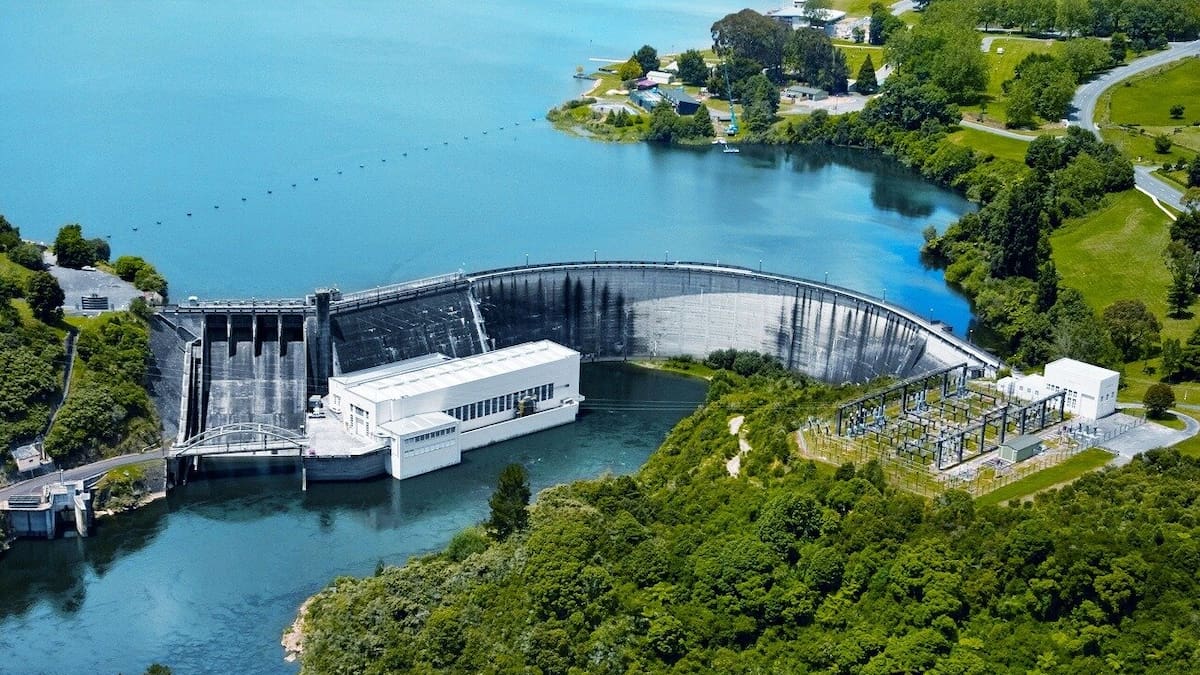
Mercury said the big lift in 2026 ebitdaf reflected new generation, continued cost discipline and 4.1 terawatt hours of hydro generation.
The balance sheet remained strong, leaving sufficient headroom to fund the current growth programme, chief executive Stew Hamilton said.
“We are converting strong financial performance into new generation, greater system resilience and the capacity to support New Zealand’s future economic growth,” he said.
Generation started at three major Mercury renewable projects this year, all of which were expected to be fully operational by the end of 2026.
The projects are Ngā Tamariki Geothermal Station expansion near Taupō, Kaiwera Downs 2 Wind Farm near Gore, and Kaiwaikawe Wind Farm near Dargaville.
The projects represented around $1 billion of investment and 1.1TWh of additional annual renewable generation – enough to power around 160,000 homes.
The company reinvested 66% of its FY26 operating earnings (ebitdaf) – $710 million – in new and existing renewable generation assets.
Mercury said last month it had invested $53m in a major data centre project in Southland.
Mercury’s result comes at a controversial time for the sector, with political pressure mounting for separation of the big power companies’ generation and power retailing roles.
Additionally, rising power prices and power company profits have kept electricity in the headlines.
Jamie Gray is an Auckland-based journalist, covering the financial markets, the primary sector and energy. He joined the Herald in 2011.
Stay ahead with the latest market moves, corporate updates, and economic insights by subscribing to our Business newsletter – your essential weekly round-up of all the business news you need.