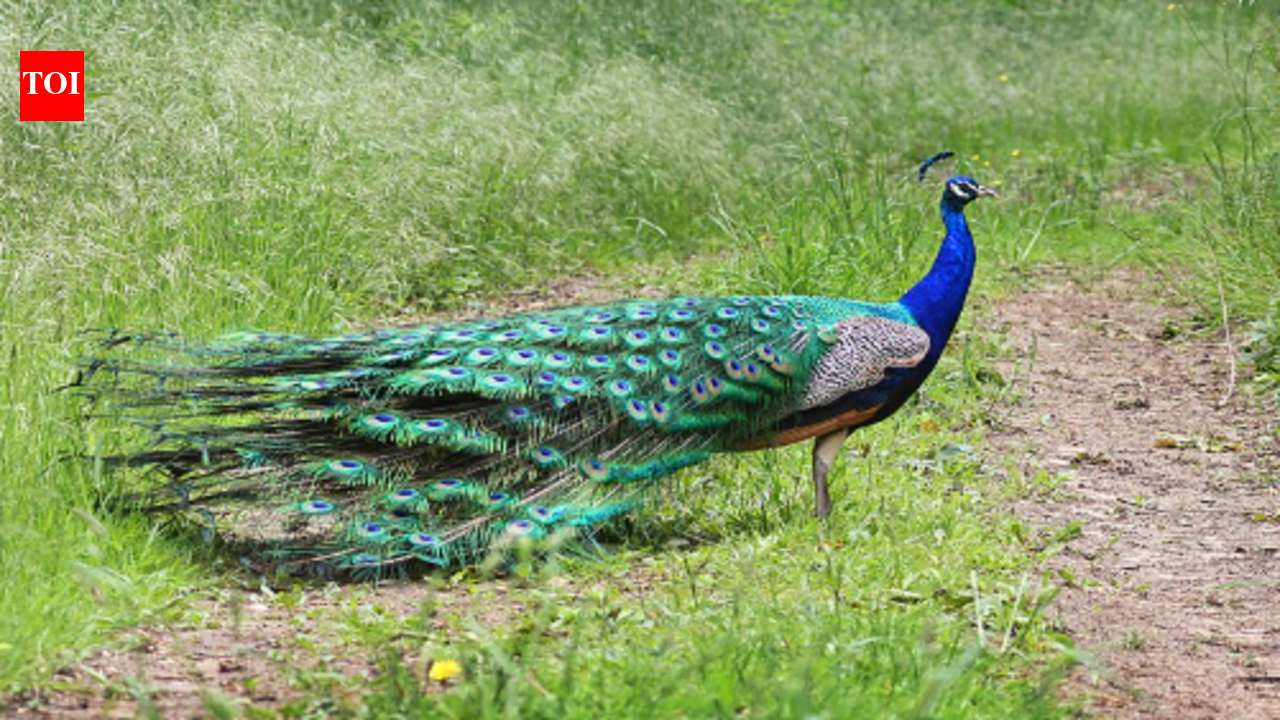
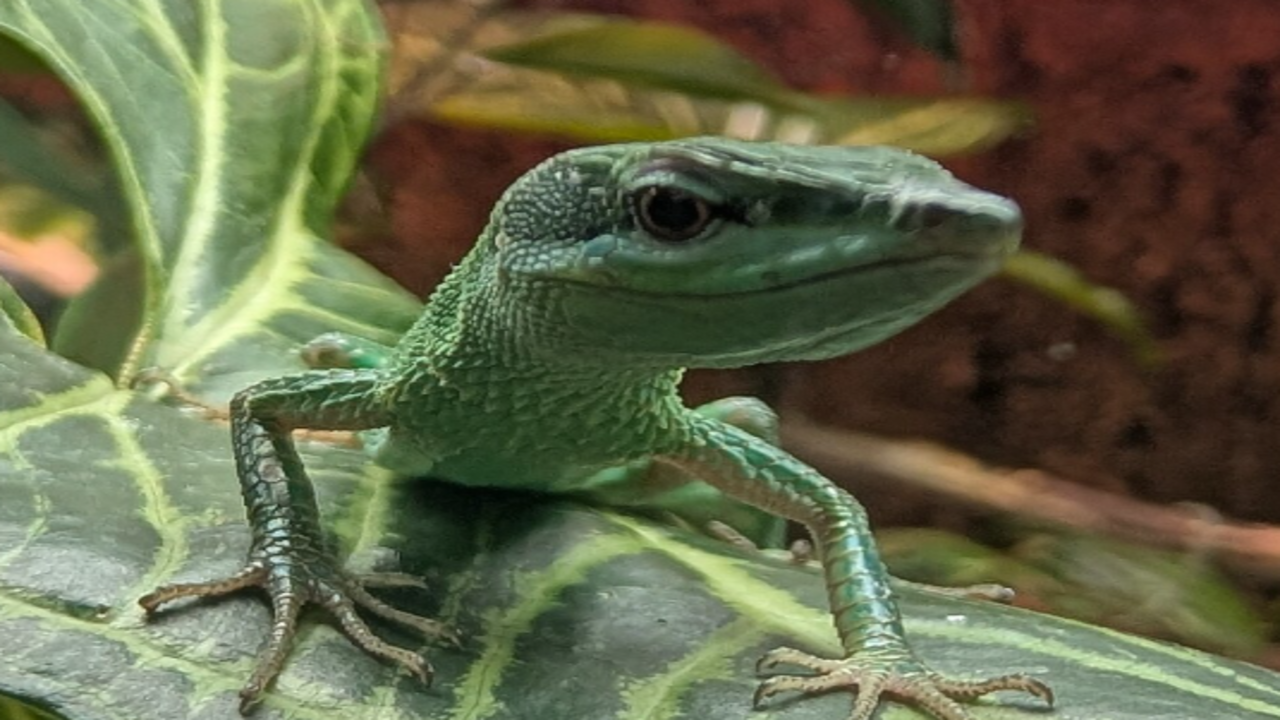
 Indian peafowl at Domaine de Pescheray in Sarthe, France. Image credits: Wikimedia Commons Long before raccoons or bluegill became familiar invasive species in Japan, peafowl had already taken hold in the country’s subtropical south. In the Sakishima Islands, the westernmost island group of the Ryukyu archipelago, Indian peafowl were introduced as ornamental birds and kept in captivity, with NIES recording their introduction into Japan in 1969 or earlier through the escape of birds kept as pets or in zoos.The choice was obvious because of the peafowl’s native range in India and Sri Lanka, colourful plumage and spectacular mating behaviour, which had already made them popular as ornamental birds in other parts of the world. In post-war southern Japan, peafowl were an exotic and visually striking addition to the islands’ tropical setting, where tourism was becoming increasingly important. But not all facilities where they were kept were equipped to contain them securely. Once some birds escaped captivity, however, their spread was not limited to tourist facilities; established populations developed across several islands, bringing them into contact with native wildlife and agricultural areas.Ornamental birds become feral.More than 57 years after Indian peafowl were recorded as having been introduced into Japan in 1969 or earlier, the birds remain an unwanted species on several of Japan’s southern islands. What began with decorative birds kept in captivity eventually developed into an ecological disturbance that local authorities have had to address. The National Institute for Environmental Studies’ Invasive Species Database records Indian peafowl (Pavo cristatus) as having been introduced into Japan in 1969 or earlier, with the recorded introduction route being the escape of birds kept as pets or in zoos. While the exact way in which this introduction took place is not clearly known, the overall pathway has been well-documented; feral birds are those that escape captivity. Populations have been recorded by NIES in large numbers across the Sakishima Islands, which include Miyako, Irabu, Ishigaki, Kohama, Kuroshima, Aragusuku, and Yonaguni Islands.Lack of predators, favourable conditionsThis is because of the conditions under which the birds found themselves upon their escape. The islands lack large terrestrial predators, unlike parts of South Asia where peafowl are native, and their warm climate and abundant natural and cultivated food appear to help the escaped birds reproduce and survive.Indian peafowl are omnivores that feed opportunistically on seeds, fruits, insects, and even small reptiles, among other food sources. On the Sakishima Islands, these feeding habits have had environmental impacts, though the examples are limited to specific islands rather than the entire chain. The database records cases of predation on reptiles and butterflies in Kohama and Aragusuku, as well as food competition with small native birds in Aragusuku.The islands’ native reptiles have drawn particular attention. The islands’ native reptiles have drawn particular attention. According to Japan’s Ministry of the Environment, the Miyako grass lizard (Takydromus toyamai), which is endemic to the Miyako Islands, is classified as Endangered. The species is found across the Miyako Islands, including Miyakojima, Ikema and Irabu. The introduced peafowl may pose additional predation pressure and contribute to declines in native reptile populations. Among the threatened insects are butterflies found on the islands, including Chestnut Tiger and Paper Kite, both listed as prey species by the database.
 A gradual response from the governmentIt took years before authorities organised a response. Scientists trained three detection dogs to locate peafowl nests using peahen feathers as a substitute for eggs, which were difficult to obtain in sufficient numbers for training. During field surveys on Kohama and Kuroshima islands between 2014 and 2019, the dogs detected 423 peahen nests, demonstrating that the method could be used to locate nests and support efforts to control the invasive peafowl population. Eradication campaigns have expanded in areas where bird numbers increased sharply. The 2024 campaign on Miyako Island aimed to catch more than 1,000 peafowl.A regional issue, not nationalThe legal status of peafowl in Japan has changed over time. They were previously included among invasive alien species requiring attention under Japan’s national classification system, but that list was discontinued in 2015. Peafowl are not currently designated as specified invasive alien species under Japan’s Invasive Alien Species Act, although they remain subject to regional controls in Okinawa Prefecture. Within Okinawa Prefecture, peafowl are regulated under a rare wildlife protection ordinance and may not be released into the wild; anyone who keeps them must notify officials. Indian peafowl are also listed as requiring priority countermeasures because of their impact on local ecology and residents’ daily lives.Indian peafowl remain established across several of the Sakishima Islands, where their presence has prompted concerns about impacts on native wildlife and agricultural areas. The database records established populations on Miyakojima, Irabujima, Ishigakijima, Kohamajima, Kuroshima, Aragusukujima and Yonagunijima, with predation, competition and agricultural damage among the documented impacts. What began with birds kept as ornamental attractions eventually developed into a wider ecological problem for local communities.