
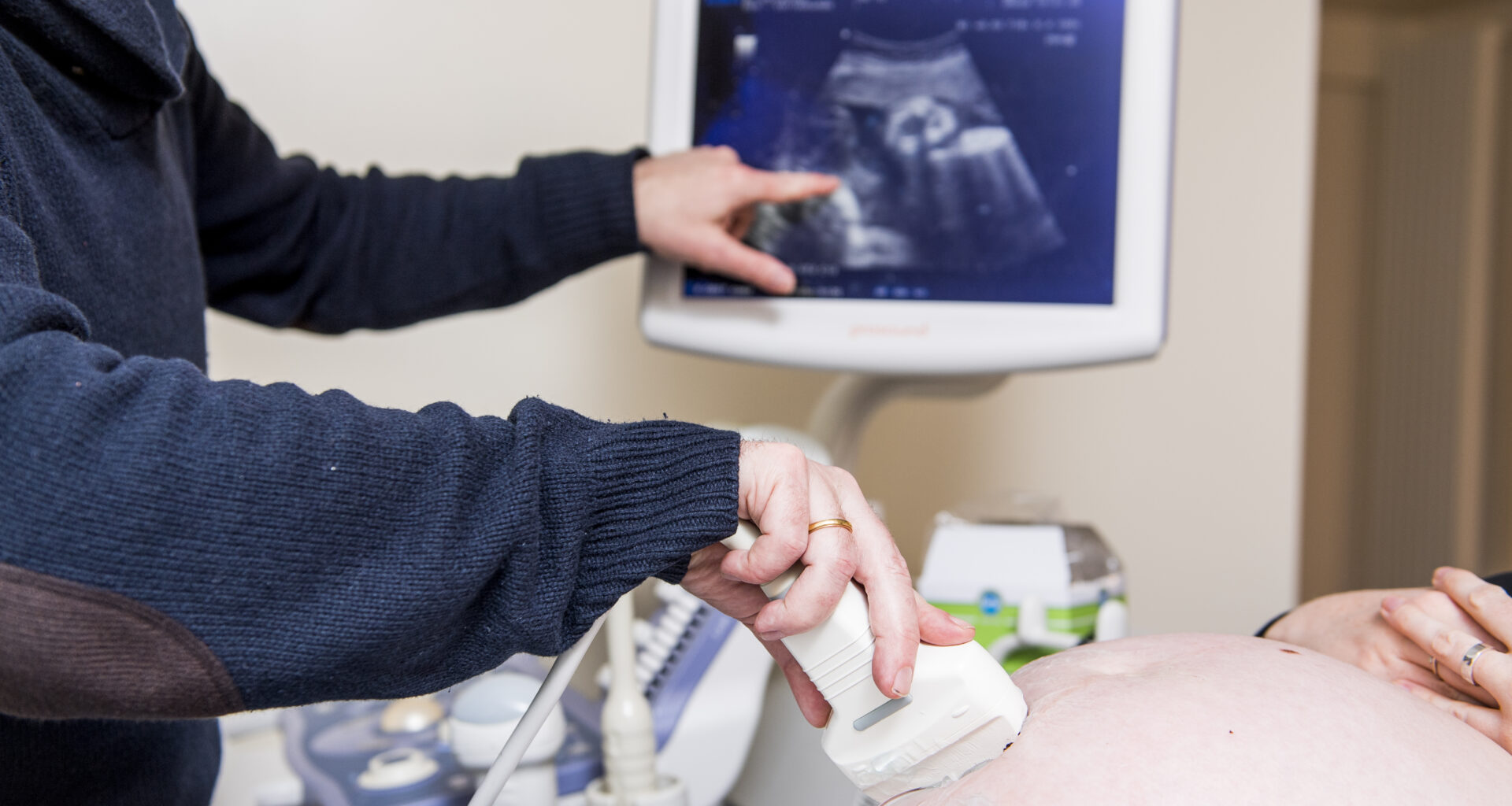
Women with conditions such as lupus, rheumatoid arthritis, psoriasis, or Crohn’s disease have an increased risk of preterm birth and pre-eclampsia. Until now, clinicians have found it difficult to assess this risk early in pregnancy, as symptoms or abnormal blood values are often not yet present.
The Leuven researchers analysed the so-called fragmentome: the physical characteristics and patterns of free-floating DNA fragments in the blood. Using nearly 2,000 first-trimester blood samples, they developed a computer model that accurately predicts which women will later develop pregnancy complications, even before symptoms appear. The model’s results were confirmed in an independent patient group from Ziekenhuis Oost-Limburg.
“Thanks to this research, we now know that we can extract important information from the same blood sample used for NIPT to predict pregnancy complications,” says professor Joris Vermeesch, geneticist at UZ Leuven and KU Leuven. According to him, an early risk assessment can lead to additional monitoring or treatment, such as low-dose aspirin to prevent pre-eclampsia, or a quicker referral to a specialised centre.
The research builds on previous findings that NIPT blood samples can also detect early-stage cancers in pregnant women. The new method is not yet in clinical use. UZ Leuven is working to translate the test into hospital practice within two to three years. The researchers refer to it as a possible “NIPT 2.0”.
In Belgium, approximately ten per cent of pregnant women have an autoimmune disease. For one to five per cent, more intensive and careful monitoring is necessary.
The initial translation of this content was generated by AI. All facts, context, and language have subsequently been verified and validated by a human editorial team.
Read more