
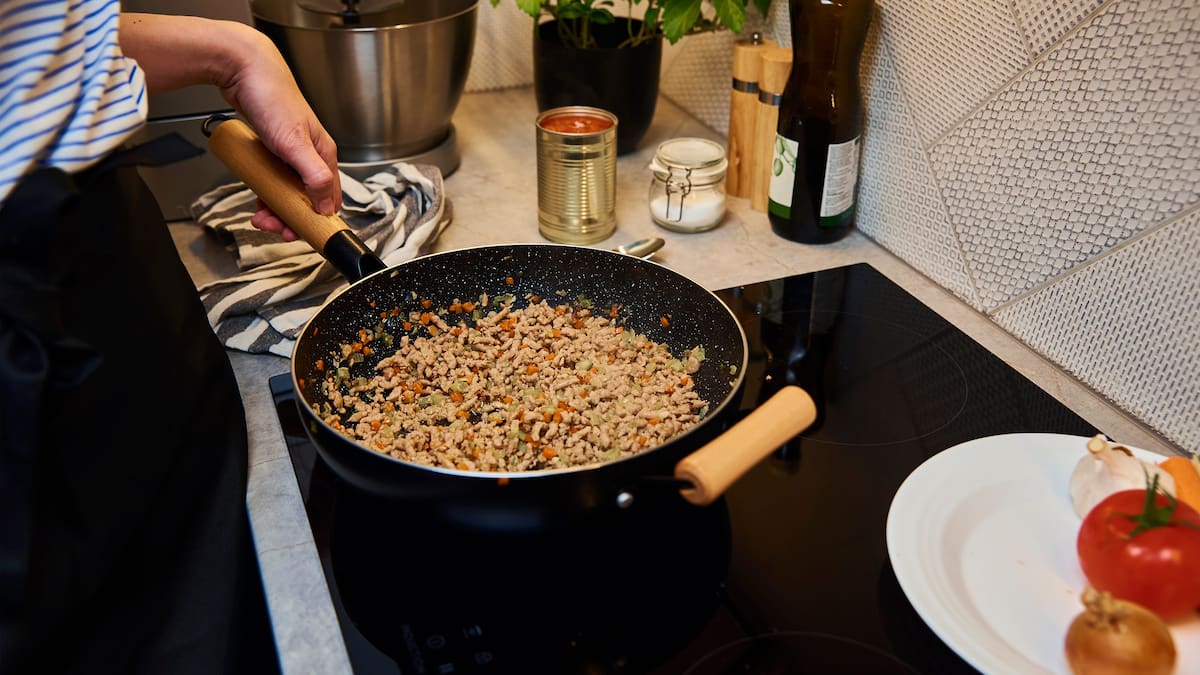
In early 2024, the average price for beef mince was about $18/kg.
Since then, it’s risen rapidly. The average price in July 2026 is above $24.40/kg – more than 30% higher than two and a half years ago.
“Historically it’s been a real go-to red meat option because it is very versatile in terms of what you can do with it, but now it’s not really the cheap option it once was.”
Corkran said the rapid rise contrasted with chicken and pork, which had remained relatively flat over the last two and a half years.
Chicken breast and pork loin chops are averaging $14.80/kg retail and $16.70/kg respectively.
Chicken breast is less expensive than it was in early 2024 and pork loin chops are nearly the same price.
Global beef mince prices were expected to stay high in the short to medium term due to low global beef supply.
“Here in New Zealand and around the world, beef supply is pretty tight and, as a result, we’re likely to see beef mince prices remain elevated well into 2027.
“This is, of course, great for Kiwi beef exporters, but it’s much less welcome news for shoppers looking to keep their weekly food bill down.”
With the pricing gap between beef and other protein options continuing to grow, Corkran said Rabobank’s global research team was closely monitoring how higher beef prices were impacting consumer choices.
In the US, beef demand had been resilient despite the prices.
“And that kind of tells us that US consumers aren’t quite walking away from beef at this point, but they are changing within the category what they’re purchasing, and in 2026 it appears US beef demand is recalibrating at record high prices, rather than collapsing.
“In the US, we are hearing that the main present-day concern is not that consumers have stopped buying beef, but that retailers and foodservice may have pushed prices to the edge of consumer tolerance, especially for higher-value cuts,” she said.
Rising beef prices meant significant changes globally – particularly in the foodservice category.
“In food service, and especially within quick service restaurant (QSR) channels where burgers are a core traffic driver, operators are increasingly challenged by beef cost inflation,” she said.
“As a result, many chains continue to lean into chicken-based menu innovation and value offerings to protect margins and capture market share.”
Corkran pointed to recent changes to McDonald’s New Zealand menu as a local example of how quick service restaurants continue to expand chicken offerings.
At the household level, Corkran said persistently high beef prices also risk consumers switching to cheaper protein such as chicken.
“At this stage we’re yet to see any evidence of lower demand for beef mince here in New Zealand but, at some stage, we think there will be a point where the consumer says these high prices are getting too much for me, and this might prompt a more concerted switch to either smaller volumes purchased or lower priced protein options.”
Separately, ANZ said New Zealand’s agriculture sector is still running hot.
“Commodity prices are in positive territory, despite a few cold spots and risks building on the horizon.”
Dairy prices haven’t fallen much this winter, defying a common seasonal pattern.
Likewise, beef and lamb prices showed no trace of seasonal price weakness earlier this year.
“Even though risks to the downside are accumulating for sheep and beef, farmgate prices keep hitting new records,” ANZ said.
“Prices can fall a bit and still be very good.”
Jamie Gray is an Auckland-based journalist, covering the financial markets, the primary sector and energy. He joined the Herald in 2011.
Stay ahead with the latest market moves, corporate updates, and economic insights by subscribing to our Business newsletter – your essential weekly round-up of all the business news you need.