
Newly fledged yellow-eyed penguins are swimming thousands of kilometres north into depleted fishing grounds to starve.
The mainland hoiho population has dropped to 115 breeding pairs.
Out of 230 potential chicks from those nests, only about 46 survive to fledge.
From that group, just 21% will survive their first year at sea to return as juveniles.
A mere 10% of those will subsequently join the breeding population.
That means only one bird from the entire past season is expected to survive long enough to breed.
It then has to find a mate.
Researchers are rushing to track the dying juveniles to understand the collapse.
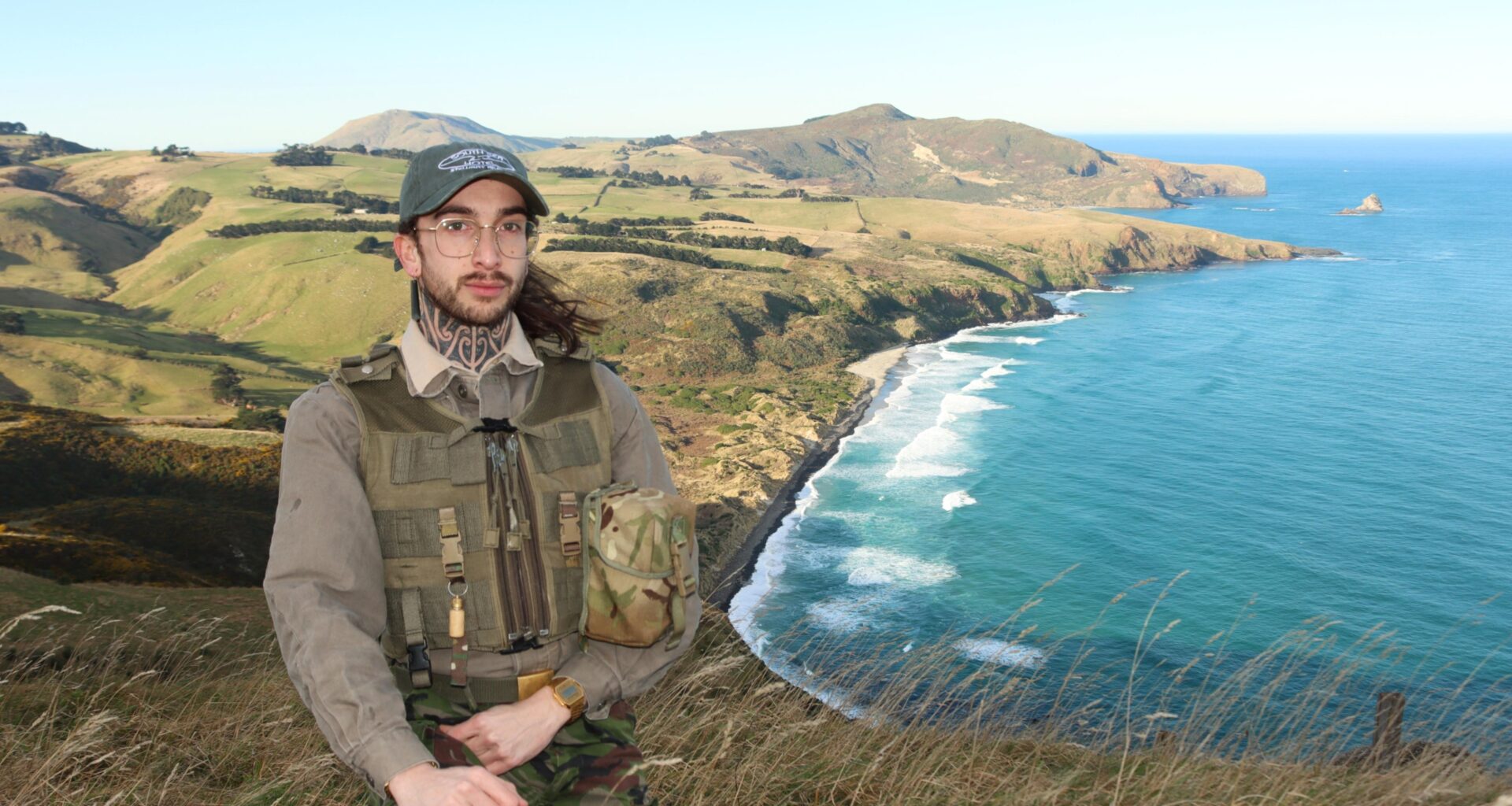
Yellow-eyed Penguin Trust hoiho research adviser Thor Ruru-Elley (Te Aitanga ā Māhaki), spent the summer attaching satellite trackers to 18 fledglings from Moeraki, the Otago Peninsula, the Catlins and Rakiura.
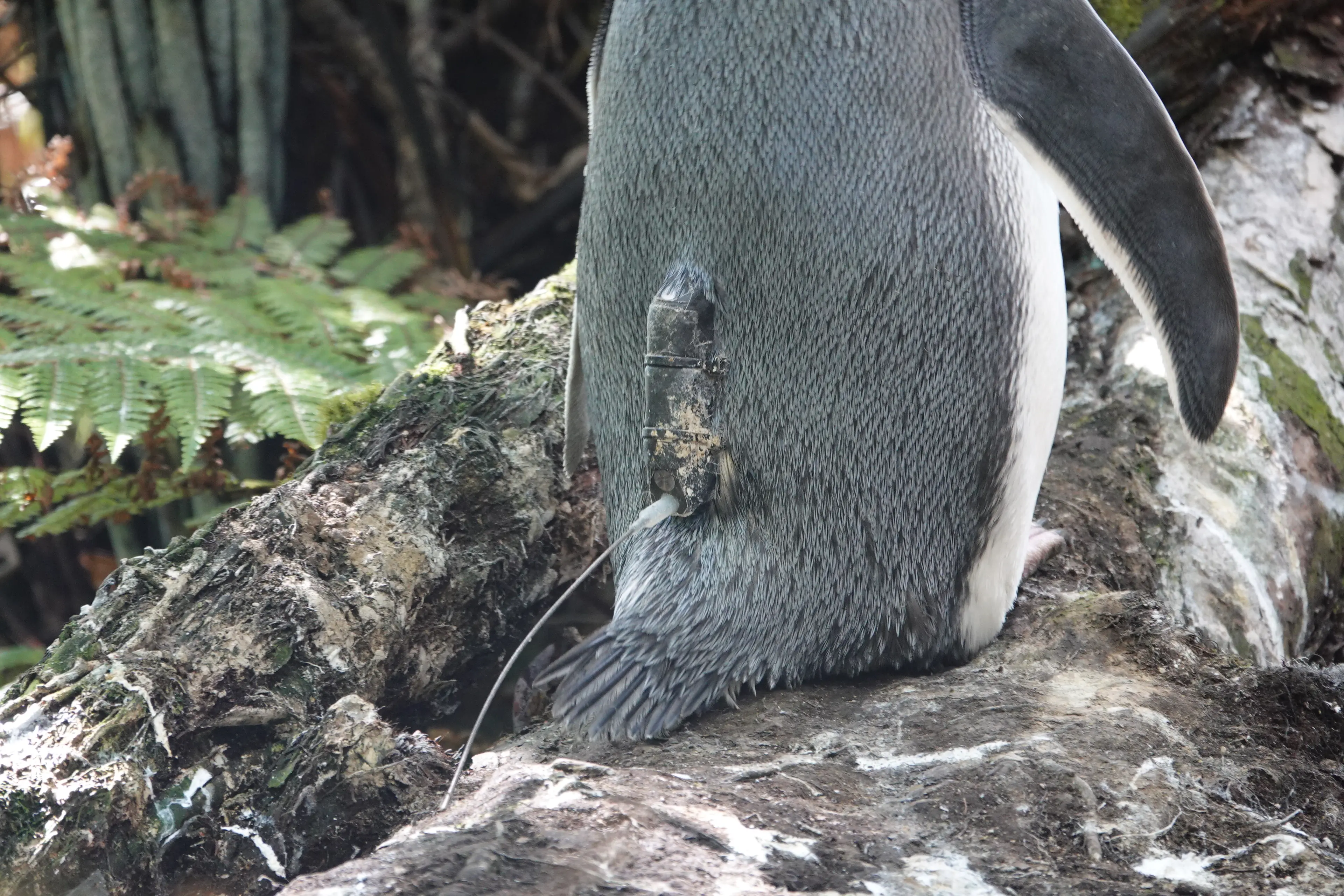 Satellite trackers have a low profile that does not harm hoiho. Photo: Nikayla Bradley
The data shows hoiho heading as far as Canterbury searching for red cod.
“These birds, the fledglings, seem to have this innate behaviour, that sends them north,” Mr Ruru-Elley said.
The historical diet of the penguins has dropped from about 24 species in the 1990s to just two.
“Historically, we’ve depleted those stocks so much, but the birds don’t know.
“These hundred-day-old birds that have never touched the water all still go up to Canterbury.”
The primary aim of the tracking project is to reveal where the young penguins travel after leaving the coast.
Researchers use the data to identify marine threats and compare movement paths with fisheries activity.
The summer data showed the young birds collectively travelled more than 36,000km between February and April.
Individual fledglings covered up to 3100km.
They converged on the Canterbury Bight to search for food.
One bird swam from Rakiura to waters off Kaikōura.
Fledglings are finding empty waters and exhausting their energy reserves.
Researchers call this starvation process wrecking.
“If one comes ashore, it’s not found enough food, it’s foraged until it’s completely out of energy and then it has come ashore to die,” he said.
The real-time data from the tracking devices creates a secondary benefit of allowing researchers to locate and rescue wrecked birds.
Mr Ruru-Elley is trialling a new generation of 3D printed solar-powered satellite tags on adult penguins at Rakiura.
The devices provide location updates every 30 minutes with an accuracy of 5m.
“So with the hopeful deployment of the new technology, I’m going to be able to know when that happens, and I’m going to be able to go out and get the bird,” he said.
He has established working relationships with local hoiho managers across all mainland districts.
When the satellite data pinpoints a wrecked bird far from Dunedin, he can direct nearby rangers to retrieve the penguin for rehabilitation.
The ongoing crisis is taking a severe toll on conservation workers.
A therapist ran a serious one-hour session at a recent symposium for hoiho researchers and wildlife rehabilitators.
“And basically he told us, ‘oh, you’re all traumatised because you have no wins’. Nothing’s ever good,” Mr Ruru-Elley said.
Being able to track the entire hoiho population annually would cost more than half a million.
“It’s a big number, but at the same time it’s not.
“It seems achievable.”
The trust and NZ Nature Fund are appealing for public donations to fund the work.
“I believe that we as the hoiho community have the skills to save them.
“It’s more about whether we’ll be allowed and facilitated to do it.”
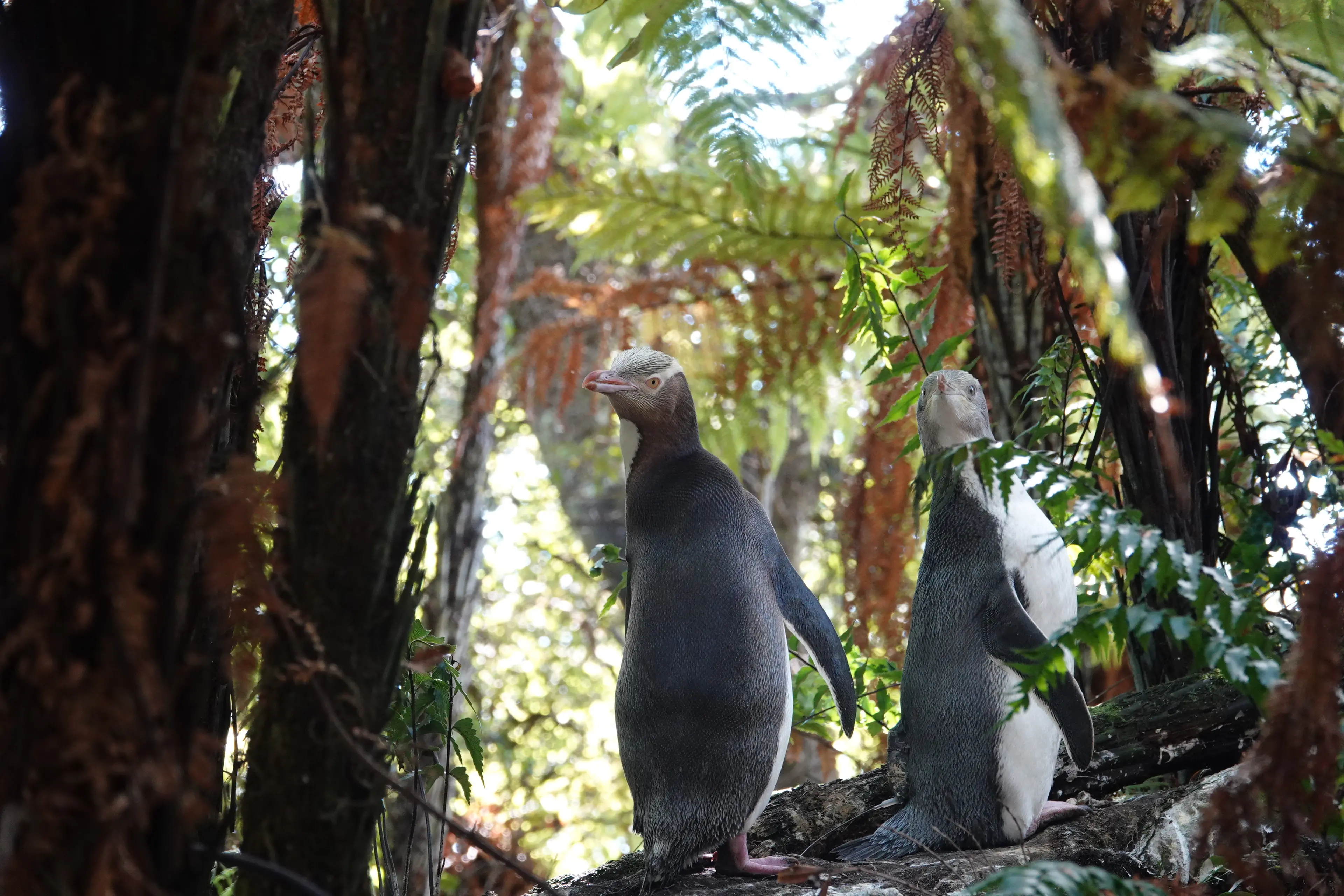 Hoiho numbers are at a critical state. Photo: Nikayla Bradley