
“I thought, yeah, something’s not quite right here.”
When Luca started school, his behaviour became increasingly difficult to manage.
If he made a mistake while reading or writing, Cowan said he would rip up his work or refuse to finish it.
“He used to play up because that was the answer for him: If I get sent out of class, I don’t have to do it, because he didn’t know how to do it.”
From 5, Luca was regularly stood down or sent out of class, and Cowan had to leave two jobs so she could take calls from school and care for him at home.
Luca was eventually diagnosed with ADHD (attention deficit hyperactivity disorder) aged 7, and later with autism, oppositional defiant disorder, post-traumatic stress disorder, separation anxiety, and dyslexia.
She said an application for Intensive Wraparound Service funding transformed their lives.
The therapies Cowan had been paying for herself were now funded, and Luca received additional support at school.
Cowan was also diagnosed with ADHD during the process, and medication helped her slow down and become more patient with her son.
Now 10, Luca performs at assemblies, makes friends and feels he belongs.
Throughout the process, Cowan took numerous parenting courses but learned the most from other parents.
She felt that many of the courses were designed with neurotypical children in mind and did not work for her.
Cowan said navigating support felt isolating and taught her how valuable it was to connect with other parents going through similar experiences.
Her experience became the foundation for It Takes a Village – Pāpāmoa, an online community and events that connected parents with support.
She held her first event in May 2021, after posting on Facebook asking local businesses to support single-parent families around Mother’s Day.
Fifty-six businesses responded and donated more than 100 gifts.
From there, Cowan organised coffee catch-ups and children’s markets that have become a regular occasion, usually once a term, alongside the Pāpāmoa Community Market.
One boy hoped to learn guitar, she said, so the money covered his lessons, and a community member donated the instrument. Two years later, his mother told Cowan the experience had transformed her son’s life.
At 10, Luca is a completely different kid, she said. The boy who once could not tolerate school assemblies had performed the haka at one this year.
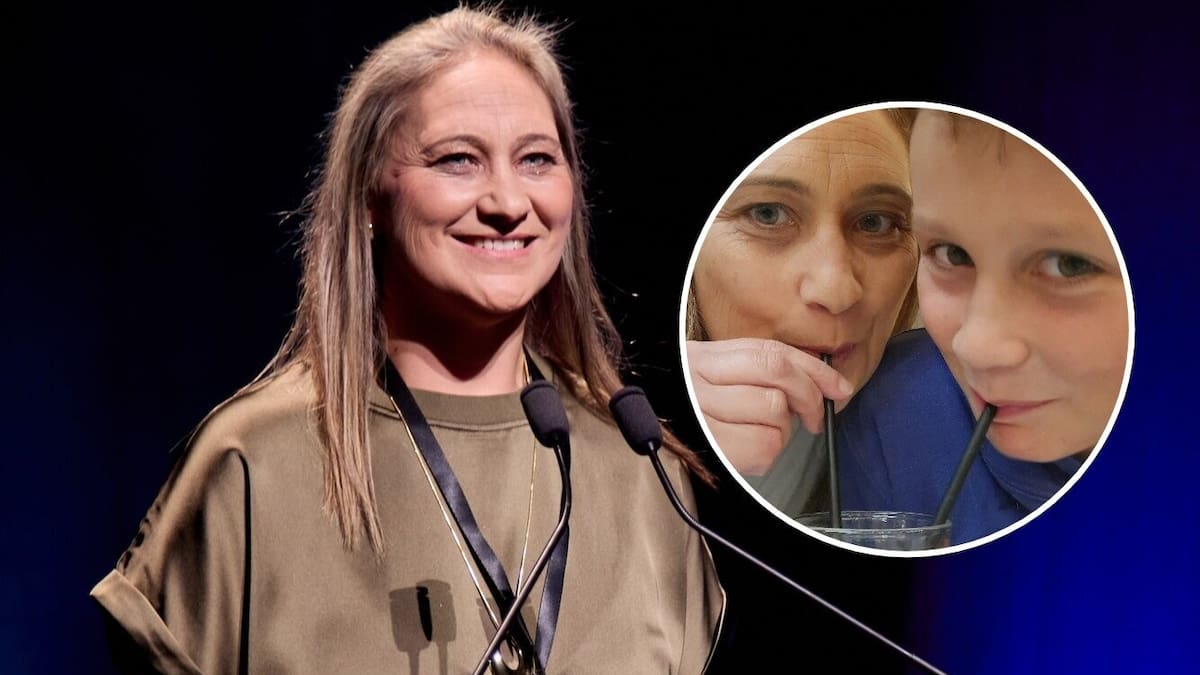
Epic Families Live returned to Baycourt Theatre on August 16. Photo / Jahl Marshall
Cowan shared Luca’s story and her own journey at Epic Families Live on Sunday in a talk titled Mum on a Mission.
Epic Families Live was a day-long initiative founded by Bay Paediatrics to support families navigating neurodiversity.
The event at Baycourt brought families and professionals together to share experiences and practical support.
Cowan wanted parents to know that they did not have to navigate the journey alone.
“Life does get better.”
Tauranga disability support worker Elise Broughton said finding the right support could be difficult for families of neurodivergent children, especially when they did not know where to start.
She said neurodivergent children were easily misunderstood in school. Some behaviours were sometimes mistaken for being naughty, disengaged, or unwilling to learn.
Broughton said being around people familiar with neurodiversity could make a significant difference for both the parent and the child.
For children, that support could provide a sense of belonging and being understood, she said.
“We’ve seen them come from being very shy … and then after about like six months, just come out of their shell completely from having someone understand them.”