
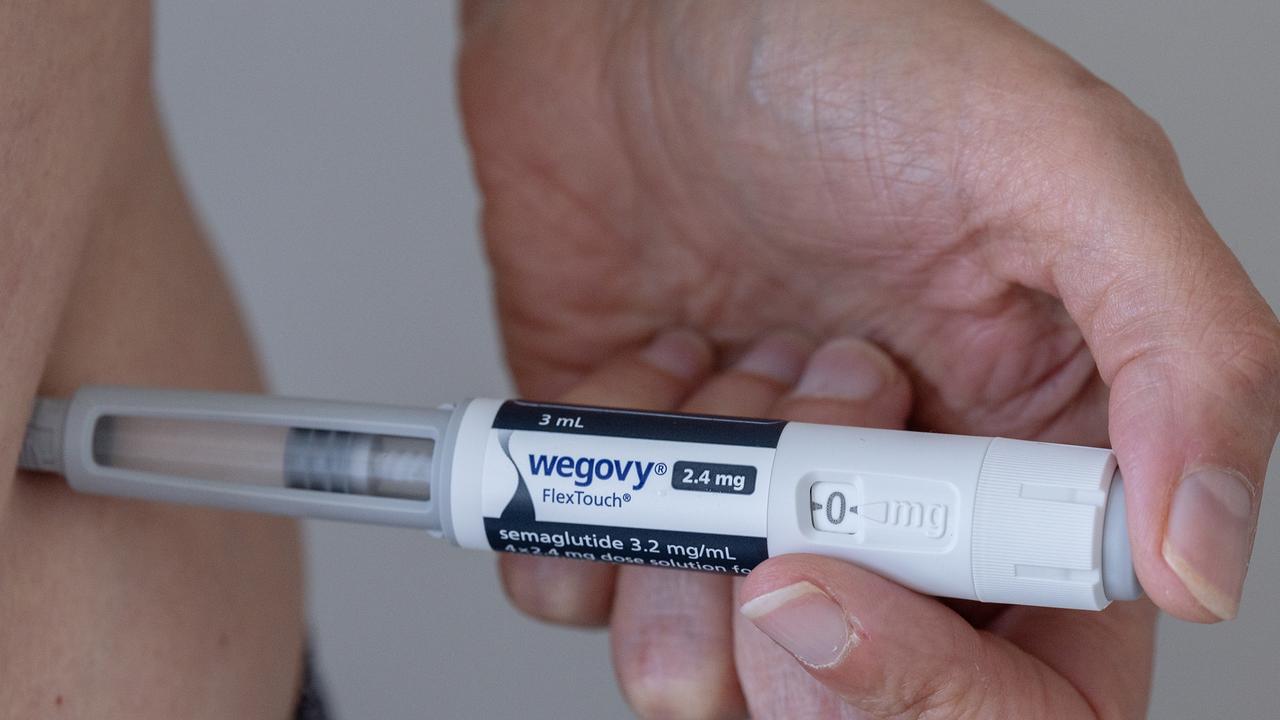
Queensland researchers have discovered an unexpected benefit to GLP-1 weight loss drugs — as a potential treatment for mental health disorders.
A study from Griffith University shows that the drugs for diabetes and weight loss may help those diagnosed with bipolar disorder.
Diabetes, obesity and bipolar disorder are often experienced together and may have shared pathophysiology.
A large Swedish nationwide study was led by Professor Mark Taylor from Griffith’s School of Medicine and Dentistry.
Almost 15,000 people who live with bipolar disorder and were prescribed GLP-1 medications over a 15-year period, were analysed.
“People with bipolar disorder who were taking semaglutide — otherwise known as Ozempic or Wegovy — significantly lowered the rates of psychiatric hospitalisation compared with periods when they were not taking the GLP-1 medicines,” Professor Taylor said.
“The findings add to growing evidence that GLP-1 receptor agonists may have benefits beyond diabetes and obesity treatment and could represent a promising new avenue for bipolar research,” he said.
The World Health Organisation data estimates one in 200 people live with bipolar disorder.
In the study semaglutide was associated with a 21 per cent lower risk of psychiatric hospitalisation.
The study suggested GLP-1 signalling may help to protect the brain by reducing the inflammation, cellular stress and other biological processes which have been linked to bipolar disorder.
The findings could potentially improve mood stability and reduce the risk of relapse.
While semaglutide was associated with reduced psychiatric hospitalisation risk, liraglutide and
dulaglutide were not, suggesting the effect may not apply to all GLP-1 medicines.
Professor Taylor hoped the research findings would be further tested in a randomised controlled trial.
It is estimated that half a million Australians are regularly using GLP-1 drugs — with half of those paying $200-$700 out-of-pocket to access them for conditions other than diabetes.
Another Queensland study is investigating if weight loss drugs have any impact on asthma symptoms in those with obesity.
The study is being led by Mater Hospital Brisbane respiratory specialist Adrian Barnett and is exploring if GLP-1 drugs has an impact on airway inflammation in those who are overweight. Obesity is known to impair the efficacy of asthma medication.
One in nine Australians suffer from asthma and 35 per cent of adults with asthma are obese.