
I remember waiting in line outside the Samsung store in 2019, both anxious to finally have a phone that could magically transform into a tablet and by the idea of spending $2,000 on something unproven.
Nearly seven years after the first Galaxy Fold launched, the evolution of foldable phones has reached an inflection point. And what’s been released this year is our clearest view of where each brand stands in the race for first – and how things will likely shape up in 2027.
We saw Motorola and Samsung finally integrate high-density silicon-carbon batteries, the Razr series continues to explore unique color, materials, and finishes, and Google is doubling down on building the most durable foldable on the market. And the price of innovation (and limited RAM supply) is still very, very high.
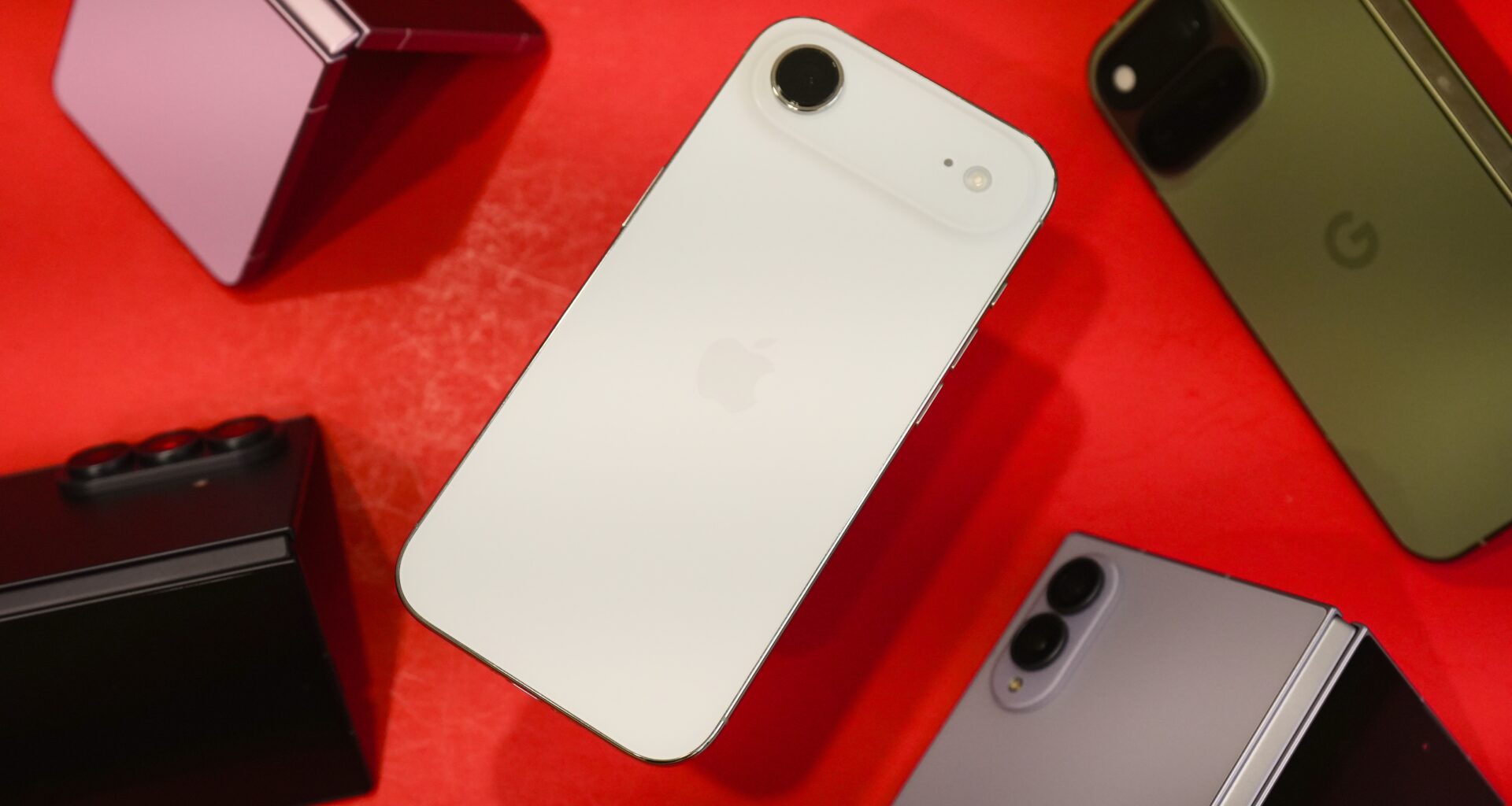
This all sets the stage for one highly anticipated entrant: Apple’s rumored iPhone Fold. The Cupertino, California-based giant is expected to unveil its take on a foldable phone as soon as next month. Here’s what it’ll be up against, and how the company may even learn a thing or two from its closest competitors ahead of the debut.
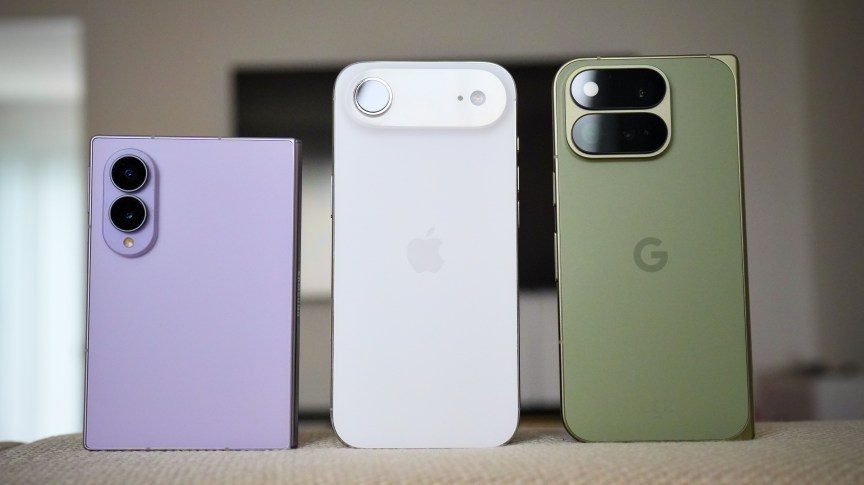 Apple may finally enter the foldable race this year, and it’ll face stiff competition.Kerry Wan/CNET
For Samsung, it’s all about hardware innovation
Just last month, Samsung launched the Galaxy Z Fold 8 series to much fanfare, with the base model featuring a new short, wide-screen aspect ratio that scratches the itch of both gadget geeks and entertainment lovers.
Preorder demand for the Galaxy Z Fold 8 has been so high that Samsung is reportedly producing an additional 1 million units over last year’s Z Fold 7 series, according to the Korean news outlet ETNews.
After testing both the Galaxy Z Fold 8 and the Z Fold 8 Ultra, it doesn’t surprise me to see the former gaining more traction. The phone’s shorter shape – which has a 5.5-inch AMOLED display when folded – makes the device easier to hold and manage than even traditional handsets.
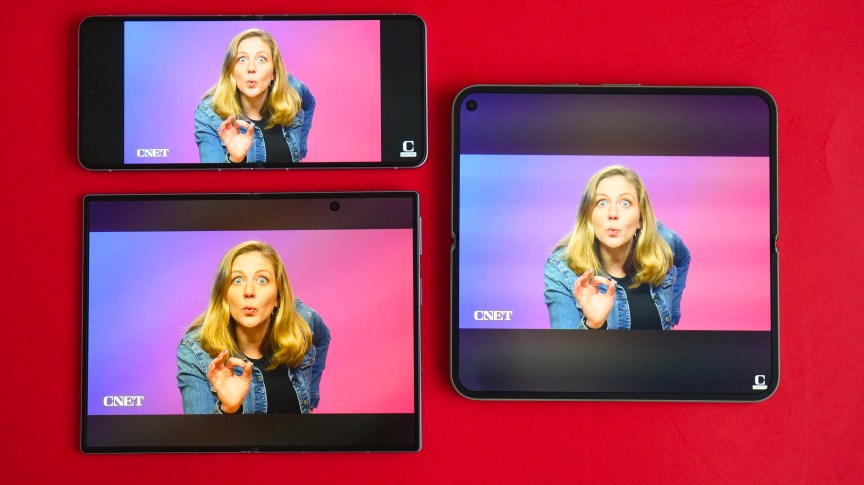 Here’s how letterboxing compares across the Galaxy Z Flip 8 (top-left), Galaxy Z Fold 8 (bottom-left), and Pixel 11 Pro Fold (right).Kerry Wan/CNET
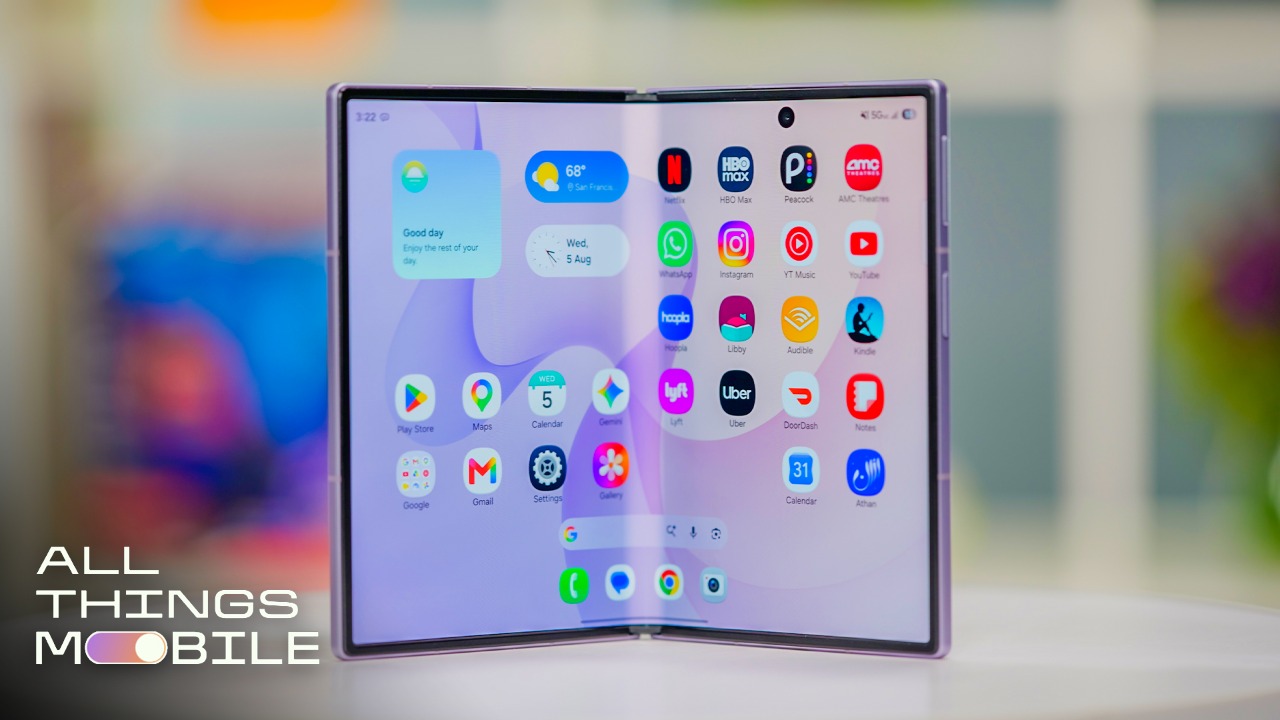
Unfolding the device reveals a 7.6-inch screen with a 4:3 aspect ratio, ideal for reading articles and ebooks in portrait orientation and for watching movies and videos when held in landscape orientation. The expansive display, with less letterboxing than conventional foldable phones, positions the Galaxy Z Fold 8 as a favorable choice for many people who want to use it for streaming TV shows and gaming.
It’s not a stretch to say that Samsung’s hardware ambitions are finally paying off. The more polarizing Galaxy Z TriFold, which launched in the US earlier this year, proved that while customers aren’t necessarily demanding a phone that literally turns into a 10-inch tablet, or one that costs upwards of $3,000, they do want a wider display that can properly show long-form content for greater enjoyment. The Z Fold 8 nails it in that regard, and it will likely shape the design of upcoming foldables from Samsung and competing brands.
For Google, foldables are a showcase of its AI prowess
With the Google Pixel, it’s never been about hardware and design. The nearly identical appearance of the Pixel Pro Fold over the past three years is proof of that – and that’s fine.
Instead of prioritizing edgy designs and near-creaseless displays, Google’s foldable phones are more akin to traditional handsets, with a taller outer screen, slim bezels, and even an IP68 rating that keeps most mainstream flagships safe from water and dust intrusion. It’s the rare folding phone that should be safe to take to the beach.
But that’s only half of Google’s pitch. The Pixel Pro Fold model is ultimately a platform to showcase the company’s latest AI advancements and how they’re grounded in its in-house processor, Tensor.
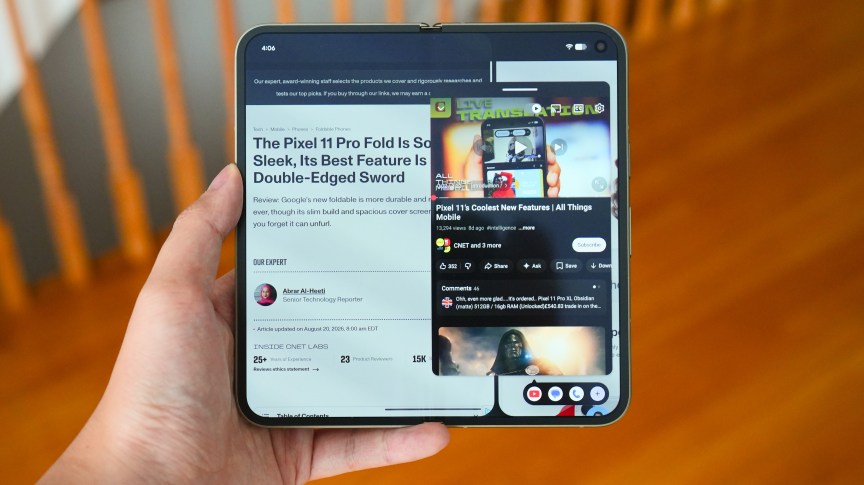 With app bubbles on Android 17, you can have up to three screens displayed at once.Kerry Wan/CNET
This control over the phone’s hardware and software allows Google to build, launch and manage its suite of Android and Gemini features more seamlessly across devices, giving models like the new Pixel 11 Pro Fold an advantage over competitors like the Galaxy Z Fold 8 in software capabilities and update frequency.
An example of this is the new proactive prompt suggestions that appear based on on-screen context, such as booking a restaurant reservation if a friend messages you about an upcoming lunch. Although I’ve found that Gemini still relies on certain words in context to suggest tasks, its successes show how naturally the AI model can integrate with Google’s ecosystem.
The feature, along with floating bubbles on Android 17, plays especially well on the Pixel 11 Pro Fold as it allows people to multitask within the larger 8-inch display without the friction of opening and closing apps.
Apple’s best bet may be somewhere in the middle
There’s still one last chapter to tell in 2026: Apple will reportedly launch a foldable iPhone as soon as next month, heralding a new era for the world’s most popular handset – and the new CEO, John Ternus.
There’s plenty of speculation about what and how Apple will deliver its first foldable iPhone, but the most recent rumors point to a squat and wide design that’s similar to the Galaxy Z Fold 8 and original Pixel Fold – positioning Apple within the realms of Samsung’s most successful foldable this year.
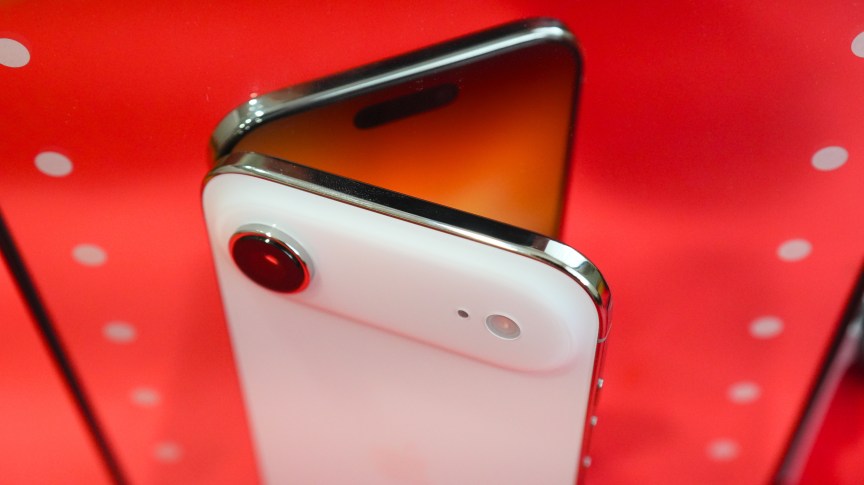 A foldable iPhone may have only enough real estate to fit a single camera on the back.Kerry Wan/CNET
According to the Chinese publication, UDN, Apple is also sourcing Samsung’s creaseless display panels for a more elegant appearance. This is the company that champions unibody aluminum architectures for MacBooks, continuous surface curvatures for watches and paper-based cable ties, after all.
Like Google, Apple can also tap into its software and hardware expertise to deliver a more harmonious product experience. The breadcrumbs are there, with Apple already allowing developers to experiment with app size adaptability and dynamic aspect ratios in the latest iOS 27 beta. App quality and the depth of the developers surrounding Apple’s ecosystem remain among the company’s strongest attributes.
Having the larger screen of a foldable should appeal to prosumers who want to carry over their work from iPads and Macs, whether it’s viewing live multicams on Final Cut Pro or collaborating on vector illustrations in Pixelmator Pro.
Notably, the iPad is now a 16-year-old product line for Apple, with most models already having a 4:3 aspect ratio – the same as on the Galaxy Z Fold 8. Should Apple want to scale aspects of the iPad to its foldable, the transition should be much more seamless than it has been for Samsung and Google, who are still figuring things out.
Generally speaking, a handoff feature between the foldable iPhone and iPad or Mac could be a key vantage point for Apple.
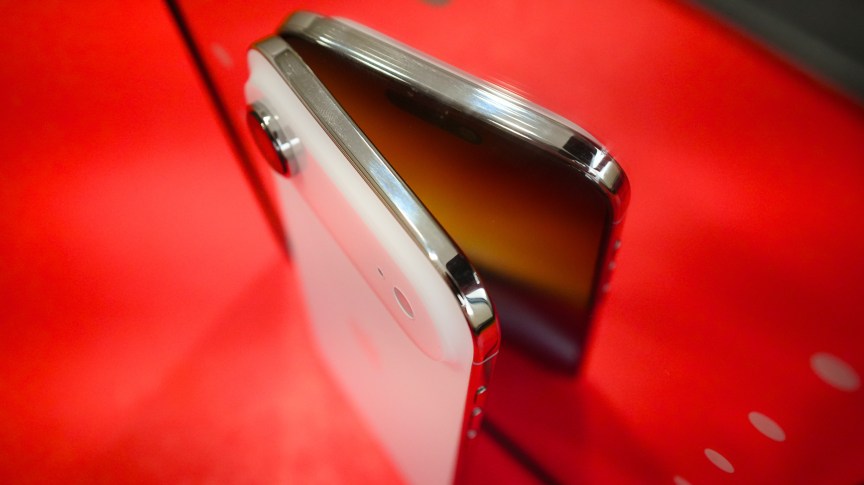 The rumored iPhone foldable may be based on the slim design of the iPhone Air.Kerry Wan/CNET
Price levels the playing field
If there’s one thing that no consumer technology company can avoid in 2026, it’s increased pricing – specifically, the bill of materials.
Foldable phones are still relatively expensive, ranging from $1,100 to $2,000 for the most common configurations, and have only gotten more so due to RAM shortages. Every manufacturer, including Samsung, Motorola, and Google, has increased the prices of their foldables by at least $100 this year, setting a new baseline going into 2027.
With Apple recently raising prices across iPads and Macs, expect the Cupertino giant to do the same for all of its iPhones, including the foldable, if it’s released this September.
Should that be the case, and Apple reinforces this new higher price tier, consumers will have to weigh the unique value propositions of each brand and phone more than ever before – whether through hardware design or software features.

Kerry Wan is the former Editor-in-Chief of ZDNET, based in New York City.
He has over 10 years of experience testing and reviewing consumer technology from mobile hardware to home entertainment.
See full bio