
The project team decided to carry on with seismic strengthening of the chimneys, along with replacing the roof, repairs to the glazing – some of the oldest glass in New Zealand, exterior painting and revamping the interior display.
Bogdanovich said Kemp House was protected from the weather with a white waterproof membrane, and scaffolded inside and out for extra protection.
Removing the thousands of wooden shingles revealed the wooden building’s good condition, he said.
“The shingles might be on their last legs, but the wooden structure underneath – including the original kauri beams that were shaped by carpenters over two centuries ago – are in incredibly good condition for their age,” he said.
“There is a bit of old borer damage but that will be fixed in a way that respects the heritage fabric of the original timbers.”
Boris Bogdanovich from Heritage NZ says removing the wooden shingles from the roof of Kemp House showed a remarkably sound structure underneath.
The sound condition of the timbers will come as a relief, after challenges with the project were described by Bogdanovich as “like the four horsemen of the apocalypse”.
The difficulties included the frequency and intensity of severe weather over the 2025-26 summer, the increasing need to protect the building from climate change, Heritage NZ’s long list of deferred maintenance after Covid lockdowns despite an ongoing lack of visitors, and price spikes from the Middle East conflict.
Heritage NZ launched an appeal to raise funds from supporters earlier this year but was now looking for support from the general public.
Bogdanovich said the organisation was lucky to have local experts lead the re-roofing project, with Kerikeri’s Henwood Construction having extensive experience working on historic buildings.
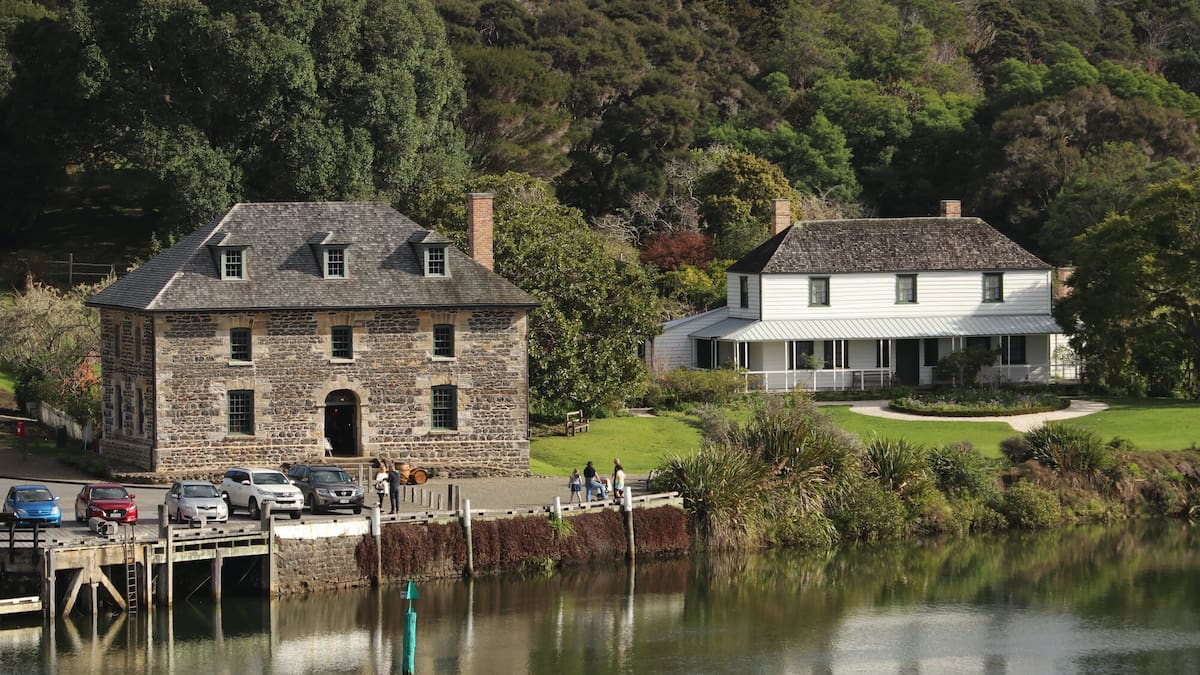
He thought Kemp House was distinctively Kiwi in its humility, as it was often overshadowed by its neighbour, the Stone Store, built 14 years later.
Kemp House (right, rear) will remain closed and under cover until the new roof is revealed in December.
However, Bogdanovich called Kemp House “the cradle of nationhood”.
“As the earliest surviving building in New Zealand, Kemp House has national and international significance, as a built marker of the foundational relationships developed between local Māori and the British in the 20 years prior to the signing of the Treaty at Waitangi,” he said.
Kemp House was built by the Church Missionary Society, which was established in 1819 under the protection of influential rangatira Hongi Hika. It was built close to the shoreline in full view of Hika’s Māori village at Kororipo pā.
The house and its gardens were passed down through the descendants of missionaries James and Charlotte Kemp, until Ernest Kemp gifted them to the nation in 1974 through the then-New Zealand Historic Places Trust.
Bogdanovich said Kemp House will stay closed until the new roof and other repairs are complete, with reopening expected in December.
Denise Piper is a news reporter for the Northern Advocate, focusing on health and business. She has more than 20 years in journalism and is passionate about covering stories that make a difference.