
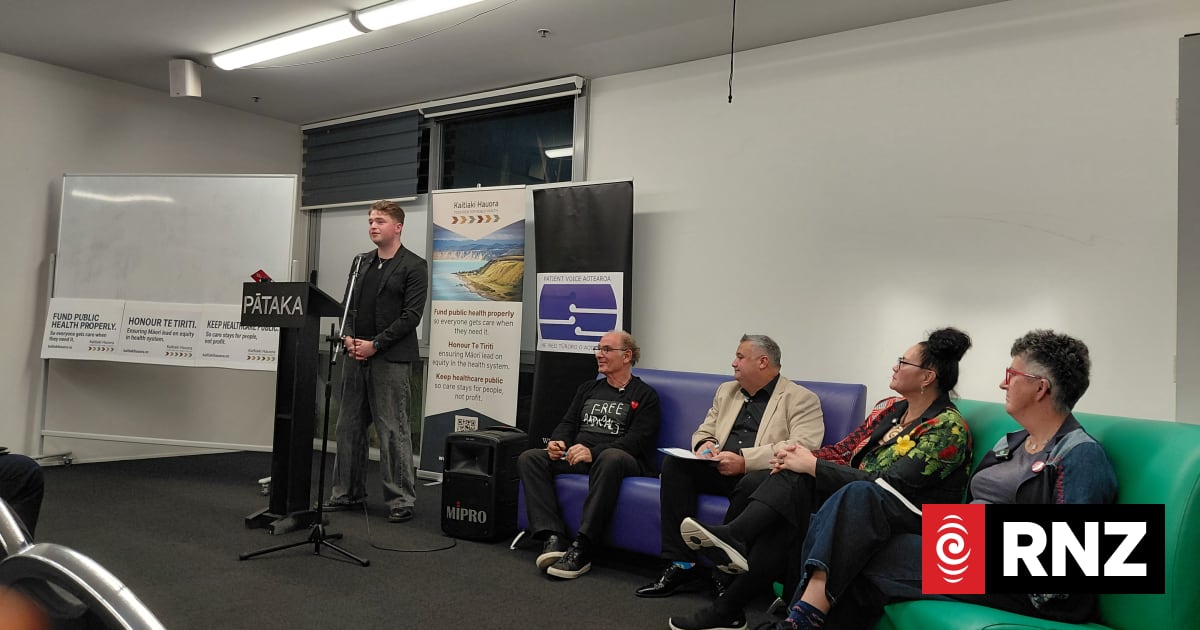
Experts and advocates discuss the health of our nation
The health system is in intensive care and is starting to flatline.
That was the dire diagnosis delivered by a group of experts at a state of the health system address in Porirua on Monday night.
But the government says the public health workforce is growing, not shrinking.
Malcolm Mulholland from the advocacy group Patient Voice Aotearoa said this country now had a two tiered health system – one for the insured and one for the uninsured.
“The longer that this is allowed to continue, the worse it’s going to become. Our big fear is that we’re going to see more and more privatisation, so essential services that we would expect to be encountered as part of attending hospital or care in the community will be outsourced to a private provider.”
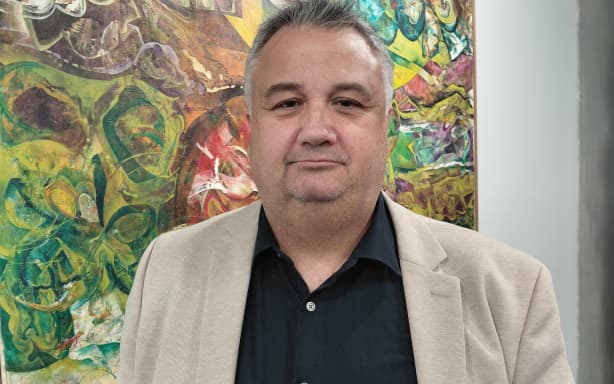
Malcolm Mulholland.
RNZ / Penny Smith
Doctor David Galler was a former intensive care specialist at Middlemore Hospital.
He said the underinvestment in New Zealand’s health system was well documented – and it was driving away the workforce.
“We know that ongoing privatisation at the moment, and the setting of austerity and the setting of workforce shortages just simply weakens the public system. It removes more and more of the public workforce, who move into private as they become increasingly overwhelmed in the public sector,” he said.
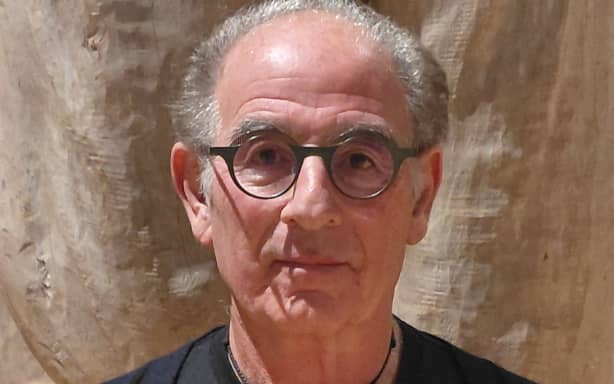
Doctor David Galler.
RNZ / Penny Smith
The government said that outsourcing wasn’t new – but it was doing it differently.
It said patients helped the most by outsourcing planned surgeries to private providers were those without insurance – who were on the public waitlist.
A spokesperson said there had also been record funding for general practice and a focus on growing that workforce.
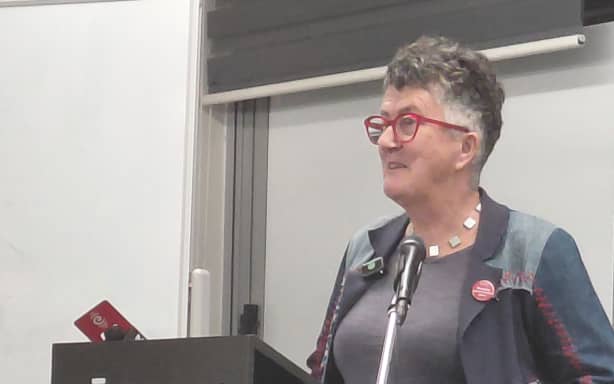
General practitioner Lucy O’Hagan.
RNZ / Penny Smith
General practitioner Lucy O’Hagan said the health workforce was suffering from a pandemic of burnout.
“The young GPs I teach, full of energy and enthusiasm, are choosing to do the job three days a week because the cognitive and emotional demand is so challenging. Older, passionate GPs are retiring early or reducing their hours simply to stay sane.”
Others just weren’t accessing healthcare.
The chair of the Tūwharetoa Iwi-Māori Partnership Board, Louisa Wall, said about a quarter of the Māori residents in her rohe were not enrolled with a GP.
“It means our people are waiting until it becomes extreme, that is, they’re in so much pain it can’t be ignored, before they choose to do something about it,” she said.
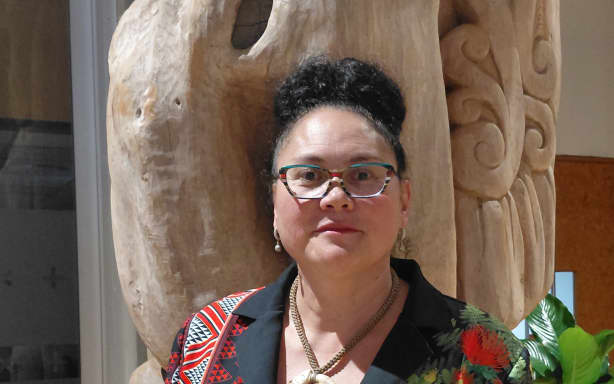
Louisa Wall.
RNZ / Penny Smith
A youth mental health advocate, Luca Zampese, said too many young people were struggling to get help when they needed it.
“New Zealand has been ranked last among comparable wealthy countries for child and youth mental well-being. UNICEF’s latest international report also found that Aotearoa has the highest adolescent suicide rate among the countries studied, almost three times the average for high-income nations.”
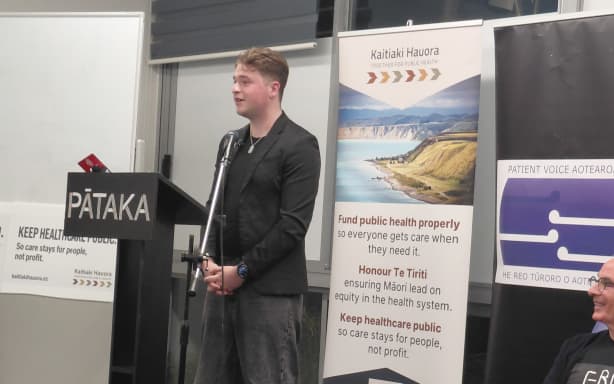
Youth mental health advocate Luca Zampese.
RNZ / Penny Smith
The Minister for Mental Health Matt Doocey said a recent survey found more than a quarter of young people didn’t know where to get help.
“Only 3.7 percent said they couldn’t get an appointment. But, there are still barriers to break down, with 29.4 percent saying they did not know where to get help and more than 35 percent saying they were too embarrassed,” he said.
Doocey said the government would start reporting how quickly young people were accessing mental health support.
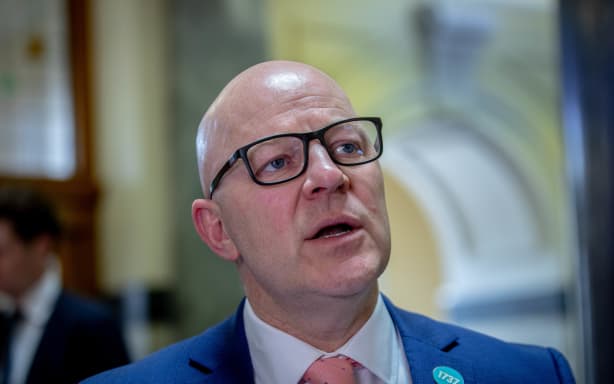
Mental Health Minister Matt Doocey.
RNZ / Mark Papalii
Among those at the meeting was long-time Cannons Creek resident Sandra Merediths.
She said that last year she waited in a lobby at Wellington Hospital for eight hours, before being seen by a nurse.
Her own assessment of the health system was blunt.
“It’s bloody shocking. People can’t get the service they need … don’t have enough good places where older people can be cared for when they have health issues. Services at home for some people that could live at home are limited,” she said.
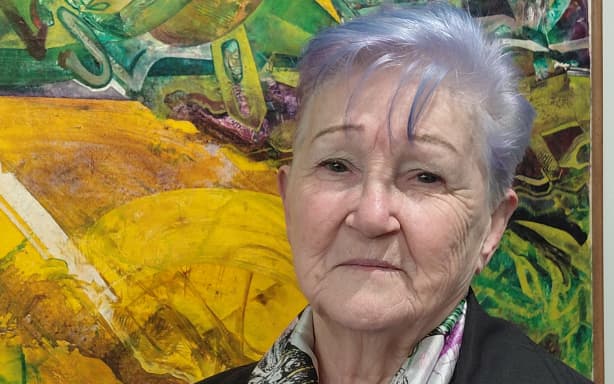
Long-time Cannons Creek resident Sandra Merediths.
RNZ / Penny Smith
Also in the audience was a UK Doctor, who had been living and working in New Zealand for eight years.
Disillusioned by what he’d seen in this country, he was now considering returning to England – and his secondary career as a bus driver.
“Why would I stay around and watch another public health system be vandalised and destroyed in New Zealand, having seen that happen in the UK over the last three decades?”
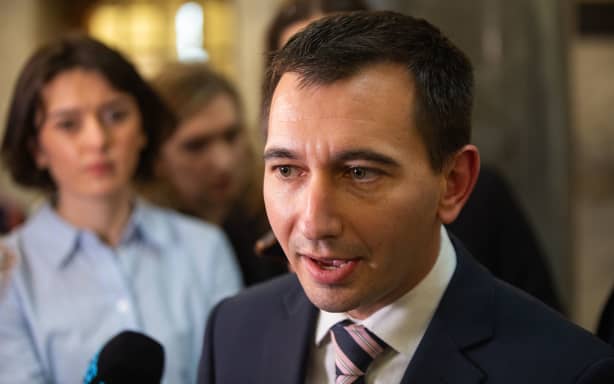
Health Minister Simeon Brown.
RNZ / Baz Macdonald
In a statement, the Health Minister Simeon Brown said that the health system was improving.
“More people are being treated, wait times for surgery are shorter, and patients are waiting less time in emergency departments. There is, however, much more work to do,” he said.
“The Government is focused on ensuring New Zealanders can access timely, quality healthcare, and its five health targets are improving year-on-year, supported by record investment and more frontline doctors and nurses.”