
Warkworth’s 800-year-old Kauri under threat by council plan
A community is up in arms over plans to send stormwater runoff into a native forest where an 800-year-old kauri tree lives.
Resource consent has been granted for a housing development near Parry Kauri Park in Warkworth, which allows stormwater from four of the 12 lots to be diverted into the park’s stream.
A freshwater ecologist said sending more water into the stream would increase erosion and sediment, harming trees and endangered native creatures.
But Auckland Council said any adverse effects on the park would be minimised.
Volunteer at the park, Nick Sharp, said any more stormwater running into the stream would be bad news for the native forest.
“It’s erosion in the creek beds, which then kills all the life in the creek beds. And then eventually trees start falling down as we see in lots of parts of the country. This is totally wrong and what the heck is going wrong?”
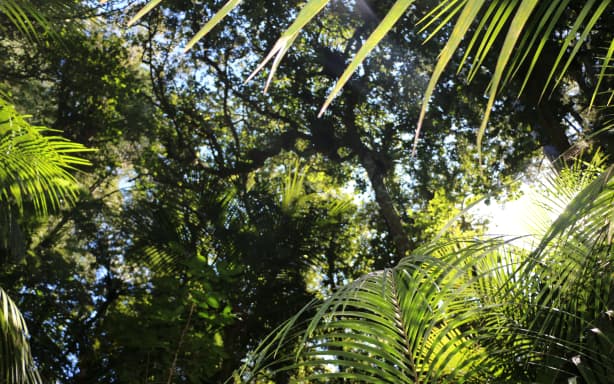
Inside the kauri park.
RNZ / Luka Forman
The park was bought with money raised by the community in 1965.
It’s made up of 8.5 hectares of pristine native bush, which is now administered by Auckland Council, and maintained with the help of volunteers from the Kauri Bushmen’s Association.
Freshwater ecologist Sophie Tweddle has been monitoring the stream in the park for the past five years.
Sending more stormwater into the stream would increase sediment and harm at-risk species like longfin eels, giant kokopu, and freshwater crayfish, she said.
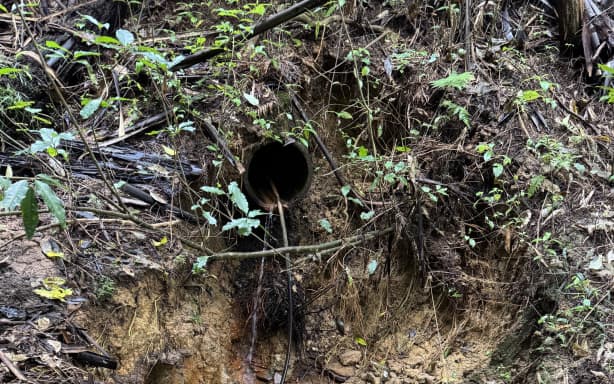
A community is up in arms over plans to send stormwater runoff into a native forest in Parry Kauri Park in Warkworth, where an 800-year-old kauri tree lives.
Supplied / Nick Sharp
“It clogs the gills and the eyes of the animals, it also stops them from feeding because they can’t see their prey, it covers the habitat in the stream, so it reduces the amount of places where they can shelter.”
Auckland Council had not properly considered how the extra runoff could harm the stream when granting resource consent, Tweddle said.
“It’s kind of almost been just shrugged off. They just said ‘oh it’s going to have no effect’. But actually in a stream like this it could have a massive effect and that should have been considered.”
However, Auckland Council’s head of resource consents James Hassall said plans for the subdivision would ensure stormwater flow was appropriately managed, and effects on rivers and streams were minimised.
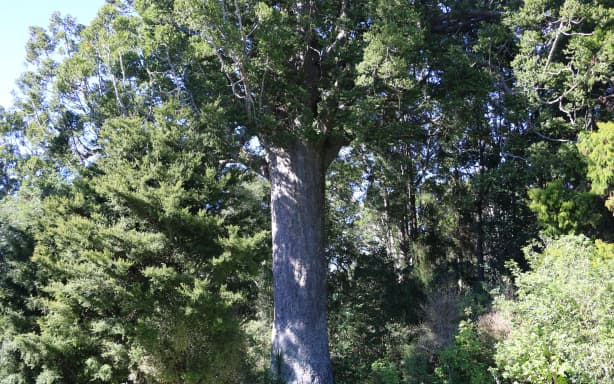
An 800-year-old McKinney kauri.
RNZ / Luka Forman
Ray Jensen, who has volunteered at the park for more than 50 years, was concerned about kauri dieback being transported through the runoff from the new subdivision.
Hassall said there was a low risk of that because there were no kauri trees on the development site.
But Jensen worried residents could unwittingly spread it into the stormwater from other forests via their cars or shoes.
“And the trees drinking out of the creek could pick it up. Now these trees – this particular one [the McKinney kauri] has been here for over 800 years and I think it’s not our right to kill it.”
Sharp believed there was a simple solution to all of this – to divert the stormwater to the north instead.
“Why they never ran it that way I have absolutely no idea because that’s naturally where it should flow. About 100 metres of pipe dug up down the side through the development … would send the water where it should go, away from the park.”
He and Jensen recently held a protest on the issue that about 50 people attended.
They contacted the council and local politicians calling for the water be diverted away from the park.
RNZ approached developer Mahurangi Property Estate Limited for comment – its director John Cull declined.