

Hospitalisation rates surge for Pasifika and Maori under-5s
Hospitalisation rates are soaring for under-fives with flu-like illnesses, many of them in intensive care.
That has prompted a call from the National Immunisation Technical Advisory Group to make the flu vaccine free for young children.
Chair and GP Mamaeroa David said Māori and Pasifika children were bearing the brunt.
Some under-fives were ending up in intensive care – and some may never come home, she said.

Dr Mamaeroa David.
Supplied / Immunisation Advisory Center
“It’s a nightmare, honestly, John. I haven’t felt this uncomfortable since 2019 and the measles outbreak, and that’s including Covid,” she told Morning Report’s John Campbell.
“During Covid we threw the book at (it) and as we can see it was a highly successful campaign against Covid.
“But for measles back in 2019 and unfortunately more than 85 children that we know of died in Samoa during that time.”
It was time to make the vaccine free, she said.
It was heartbreaking that so many children were so seriously ill when there was a highly effective vaccine, David said.
To have that feeling now with another vaccine-preventable disease was extremely distressing, she said.
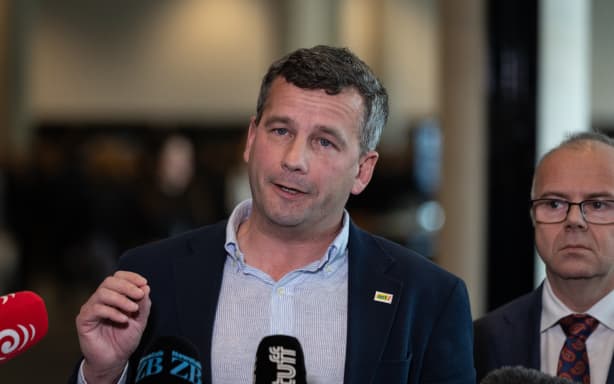
Associate health minister David Seymour.
RNZ / Nathan McKinnon
David said she knew parents who wanted to immunise their children against flu but could not afford it.
“Opening up the funding for at least our under-five babies, especially our Māori and Pacific babies, for dropping their age for the older population to down to 55 years of age,” she said.
“I can’t sit idly by. I’m in all of these positions that you’ve just named because of that 2019 measles outbreak.”
She said she couldn’t watch as Influenza A burned through her community, with Influenza B most likely next.
PHF Science data for the week to 16 August showed there had been a big spike (75 per 100,000) in under-fives in hospital with severe respiratory illnesses.

Pharmac chief advisor for pharmaceuticals, Adrienne Martin.
Supplied / Pharmac
They were far more likely than any other age group to end up in hospital.
Currently, the flu vaccine was only free for under-fives who had a history of severe respiratory illness or who had another serious disease like diabetes, heart disease or asthma.
David said Māori and Pasifika were affected most.
“Ethnicity is likely a proxy for related factors such as housing conditions, crowding, access to health services and high prevalence of comorbidities,” she said.
Pharmac said it had finished its public consultation on a proposal to widen access to funded flu vaccines to all children from six months up to five years.
Associate Health Minister David Seymour said Pharmac would make an announcement on Wednesday afternoon about a decision that would make flu season more manageable for all families.
The PHF data showed Pasifika people of all ages were more likely than any others to be in hospital with severe respiratory illness.
Flu hospitalisation rates across the board had increased significantly at the start of August and were at a 10-year high in Auckland.
Pharmac said around half of total doses of flu vaccine – or about 700,000 – used in New Zealand each year were publicly funded.
Its chief advisor for pharmaceuticals, Adrienne Martin, said funded flu vaccines were available for everyone 65 years old and over, and for people under 65 who were at higher risk of severe illness from influenza.
This included people who were pregnant and children aged four years and under who had been hospitalised for a respiratory illness or had a history of significant respiratory illness, she said.
“Earlier this year, Pharmac consulted on a proposal to widen access to the flu vaccine to all children from six months up to five years,” Martin said.
The agency also consulted on changing to two new flu vaccine brands that would provide increased protection for eligible people, she said.
“The proposed changes are a result of the 2025 competitive procurement process Pharmac ran for the supply of funded vaccines, excluding the Covid-19 vaccine. If approved, these changes would take effect from the start of the 2027 influenza season on 1 April 2027.”
Martin said ordering and manufacturing flu vaccine happened many months before the start of the flu season.
“Vaccines take a long time to make and ship to New Zealand, so manufacturers can’t always make more product during the flu season if demand is higher than forecast.”