
The Nutritionist
Dr Sarah Mitchell Weston, founder of Mitchell Weston Nutrition.
Aucklander Dr Sarah Mitchell Weston, a registered nutritionist (NSNZ) with a PhD in nutrition, has seen trends come and go, but after years working with clients, she’s noticed that the most important thing has never changed.
“The biggest predictor of someone’s health isn’t a single product or hack. It’s consistency: the same reasonably good choices, repeated for years, rather than a handful of perfect ones repeated for days”.
While wellness advice often chases novelty and intensity – “the quick fix, the miracle protocol, some new extreme”, for Weston, less is always more. One of her non-negotiables? Waking up at the same time every day, even on weekends.
“A stable wake time does more for hormone regulation than people realise. You don’t need a strict bedtime to get most of the benefit, just an anchor point in the morning.”
As for what’s on your plate, Weston agrees protein is key, but the variety of plants matters just as much.
“Different plants feed different gut bacteria, and a more diverse microbiome is linked to better digestion, immunity, and even mood”.
So, no, you don’t need to “protein maxx” or “maxx” anything for that matter. “Optimising every metric, tracking every input, chasing the theoretically perfect protocol is so over-hyped. It’s exhausting, often unnecessary, and can easily tip into disordered territory,” Weston says.
“Genuinely good health outcomes don’t require perfection. They require the boring stuff, done consistently, most of the time.”
The Academic
Grant Schofield, professor and director of AUT’s Human Potential Centre.
If anyone should know how to live a long, healthy life, it’s Grant Schofield. A professor of public health at Auckland University of Technology, Schofield is also director of the university’s Human Potential Centre. After decades in the field, his personal philosophy to wellbeing is simple: “Choose your hard. Training before work is hard, but so is being able to get off the floor at 70. Cooking real food is hard, but so is Type 2 diabetes.”
Of all the ‘hards’ one can choose, he believes movement is the best.
“Cardiorespiratory fitness is one of the strongest predictors we have of how long and how well you’ll live,” he says.
His other underrated but powerful wellness hack is not avoiding stress but harnessing it.
“Stress, just enough, with the right recovery, is the fundamental building block of wellbeing. Every system rebuilds stronger: muscles, bones, brain, the immune system. No stress, no signal to adapt. No signal, you decay. That’s not a motivational poster; it’s how cells work.”
As for the wellness messages he considers the most overhyped? “Supplements. They might help sometimes, but they hardly ever address the root cause.”
Kara Sweney. Photo / Supplied
The Yogi
Kara Sweney, yoga teacher and owner of Yoga Ground Studio.
As a yoga teacher and owner of Yoga Ground studio, Kara Sweney has tried many wellness practices and after years of experimentation, learned that the best habit is the one you’ll do consistently.
“Life can be stressful, expensive and busy, and the things that have benefited me are the ones that don’t require a lot of time, money or gear. They’re just practices that have become part of my life.”
For Sweney, one such practice is breathwork, which includes mouth taping (“absolute game changer”), nasal breathing to regulate the nervous system and reading books on the topic.
“Breath by James Nestor introduced me to the science behind it, and how mouth taping can help facilitate that. It’s also good for getting better quality sleep”.
Sweney also has regular acupuncture appointments and the “serious underrated” act of having fun.
“It can be tricky to do when times are tough, but I try to lean into the playful side of my personality because it helps me connect with people, and connection is such a huge part of wellbeing,” she explains.
Much like connection, Sweney says performing acts of kindness is another wellness practice that doesn’t cost a cent.
“It sounds like the least ‘wellness’ wellness hack, but I honestly think it’s one of the best. Being kind is a gift to both you and the other person. If you think kind thoughts, it has a positive effect on you. If you say them out loud, the other person benefits too”.
Geena Pannett. Photo / Supplied
The Fitness Pro
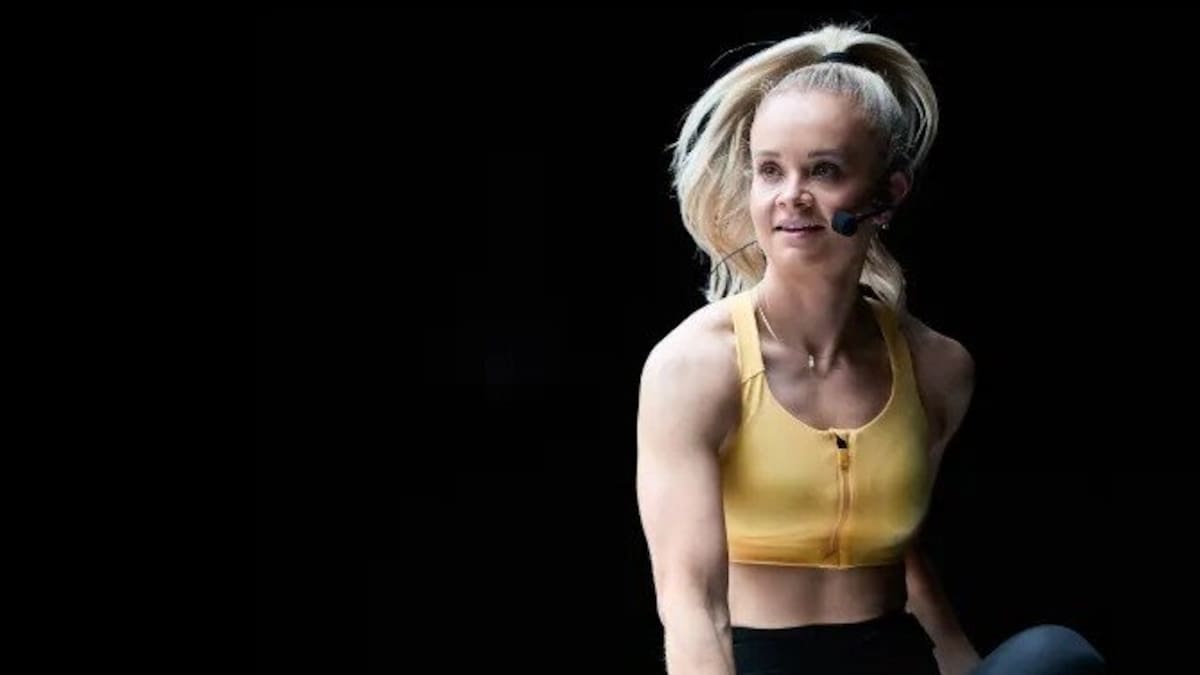
Geena Pannett (Ngāpuhi), national group fitness manager at Les Mills.
As a fitness manager and personal trainer, Geena Pannett (Ngāpuhi) spends her days leading group fitness classes and coaching clients one-on-one, so her underrated wellness hack may come as a surprise: rest.
“We’re often quick to celebrate training hard, but we don’t always celebrate recovering well. Knowing when to push and when to recover is a real skill”.
This ethos is behind Les Mills’ decision to add cold plunge facilities to several locations, including a Women’s Cold Plunge designed for female physiology at the Taranaki St, Wellington location.
When it comes to what is over-hyped, Pannett says the idea that more is always better.
“More workouts, more supplements, more intensity, more of everything we see plugged on social media. Often the biggest improvements simply come from sleeping well, eating enough, moving consistently in a way you enjoy, and actually giving your body time to recover”.
Kristen Teo. Photo / Supplied
The Spa Expert
Kristen Teo, co-founder of Wellington’s Numa Skin and Body Club and founder of Spa Nomad.
For Kristen Teo, the power of therapeutic touch can’t be underestimated.
“I hear it constantly from our therapists,” says Teo, “people arriving with levels of tension they didn’t know they had until they’re on the treatment bed. Whether it’s facial massage, lymphatic drainage or bodywork, we underestimate what happens when we give ourselves permission to pause. It’s simply giving your nervous system a moment to switch off.”
She laments how wellness has become something we consume via countless supplements, gadgets or trends “promising a shortcut to perpetual happiness and eternal youth” when most people need to do simple things, consistently.
“The healthiest people I know aren’t chasing the latest fad – they’ve found a handful of rituals that work for them and keep returning to them. For me that’s exercise, a scalp wash and head massage, a present meal with a friend at a favourite cafe. Habits that fit into your life and rebuild your energy reserves.”
Rawinia Buchanan. Photo / Supplied
The Wellness Manager
Rawinia Buchanan, wellness manager at Te Arai Links.
Rawinia Buchanan is the wellness manager at Te Arai Links north of Auckland, with nearly 20 years’ experience in retreat and spa management.
Like Sweney, she believes the best wellness practices are simple and often free. “Meaningful relationships, regular movement and time in nature, which may not be particularly exciting, but they’ve stood the test of time for good reason.”
Her morning walk is a non-negotiable and is “one of the most magical parts” of her day, as it clears her mind and sets the tone for the day. She also points out that “no supplement, treatment or wellness trend can compensate for chronic sleep deprivation”, and champions quality sleep.
This is made easier by skipping the evening vino or weekend cocktail.
“Limiting alcohol consumption is one of the simplest preventative measures available, potentially saving significant time, effort and money trying to reverse its effects later on,” Buchanan explains.
As for what’s overhyped, Buchanan says her hunger to escape on a wellness retreat has lessened the more she’s focused on the basics.
“Where I once recalibrated with a wellness holiday in a tropical destination, these days I find consistency and routine are far more effective in creating a steady baseline for productivity, resilience and overall quality of life”.
Sophie Carew. Photo / Supplied
The Retreat Founder
Sophie Carew, founder of Bali Garden Matakana.
After a near-fatal car accident forced Sophie Carew to rebuild her life, she trialled many wellness modalities to support recovery. Today, she’s poured her expertise into Bali Garden, a Matakana spot that offers daily yoga, wellness therapies and seasonal retreats.
Carew believes wellness can be found “in the most unexpected places,” and as a single mother with two small children, it absolutely must be simple and accessible.
“It might be walking barefoot, surfing, having meaningful conversations”, and if time allows, lymphatic drainage massage and cranial sacral therapy.
What it isn’t is a universal formula. “What restores one person might completely overwhelm another. It’s about discovering what genuinely supports you and then making it part of your everyday life,” she explained.
“It’s about being honest about what actually makes you feel well, and having the courage to do more of that.”