
It’s election year and there’s a cost-of-living crisis, but the traditional party of the struggling worker has moved to the middle and can’t promise a rescue for the poor
Collecting the votes of the discontented
The Labour Party’s first government in 1935, under Michael Joseph Savage, tipped the established order upside down and introduced New Zealand’s welfare state.
Its politicians rose from the ranks of “the factory floor and through trade unions”, and connected with the working class.
Fast forward close to a century later and today’s Labour MPs are lawyers, academics and people from the party’s machinery. At the same time the downtrodden are back – we’re calling it a cost-of-living crisis – and people are struggling to pay their bills and put food on the table. But where are their champions on the left?
That’s a question being asked by Dr Bryce Edwards, the director of the Democracy Project, who describes himself as a non-partisan non-voter of the left who tries to be a critical thinker.
He says the whole raison d’être of the left, their reason to exist, has been to look after those who are struggling.
“Throughout the 20th century in particular we did see economic growth, we saw standards of living go up, and [that] was a problem for the left,” he says.
On Wednesday’s episode of The Detail he takes us through the transitions that have pushed Labour to the middle, and asks why it’s not aiming policies at the “million missing” – the poor and disenfranchised who just won’t vote.
“It’s definitely their bread and butter, and they’re not making the most of it, and to me that’s a huge missed opportunity,” he says.
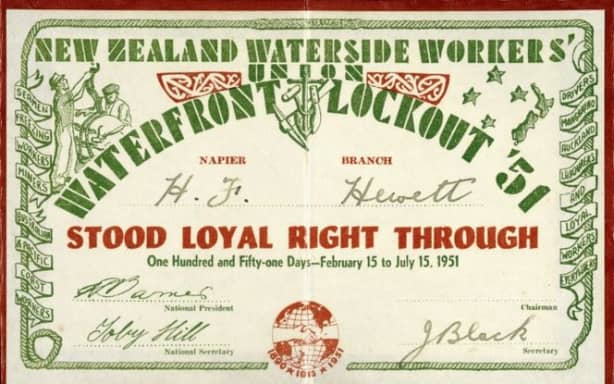
New Zealand was among the first countries in the world to adopt the eight -hour working day and it was enshrined in law in 1899. While it’s become the norm, there are no longer and legislative rights to an eight-hour working day.
Alexander Turnbull Library
“It’s very hard to explain and I come across a lot of other people who are scratching their heads over why Labour aren’t focused more on these things, why they aren’t going after the banks, the supermarkets etc … those with power … and of course one explanation is simply that the Labour Party, like parliamentarians in general, don’t really get the visceral feelings of the public, because they’re too detached from the daily life of every day working New Zealanders.
“They have good parliamentary salaries. Just about every MP owns a house, and sometimes seven. They don’t have the same problems with paying bills and worrying about the cost of living that ordinary New Zealanders do. So it might just simply be that the Labour Party’s become too middle class – it’s become too socially or economically privileged and therefore doesn’t have that same fight like we had with the first Labour government when you had politicians that had risen up from the factory floor and through trade unions, and they implemented these big policies that totally changed the economy and society and kind of rebalanced things in favour of poorer people and working people.
“Maybe it’s just a different type of Labour Party now that just can’t make those same connections.”
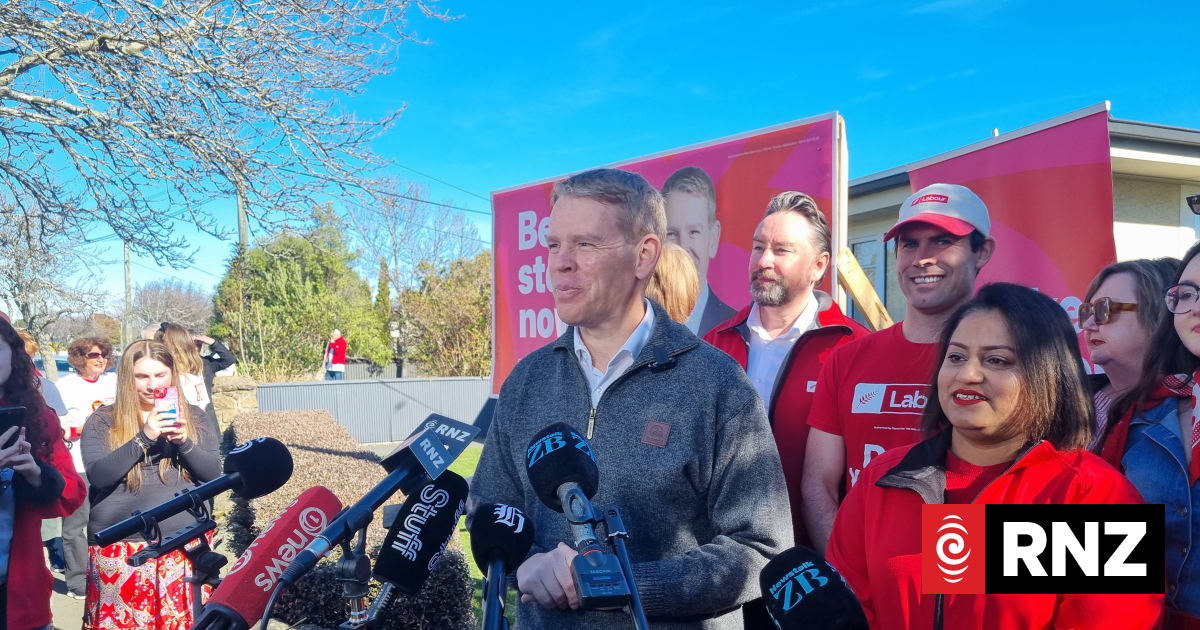
Edwards says Labour leader Chris Hipkins “is a very good performer, he knows politics inside out, he gives good speeches, he’s very good in debates, but there’s something maybe lacking there for people who want more substantial politics and want to see a Labour Party that is entirely different to the current government”.
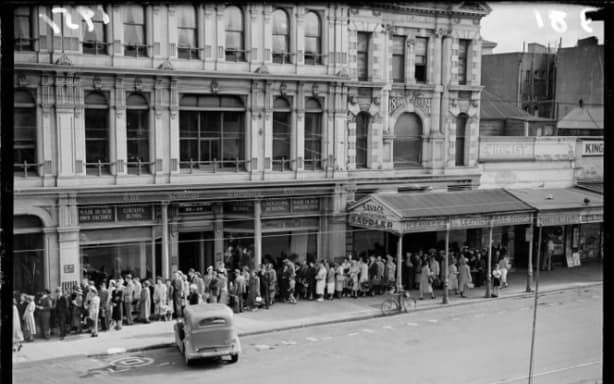
People queuing outside the Gear Meat Company in April 1951. It’s thought this was as a result of the Waterfront Dispute.
Evening Post Newspaper, Alexander Turnbull Library
Former MP turned political commentator Peter Dunne says people’s understanding of fiscal responsibility has also moved the dial.
“And often that means that a lot of the traditional passion about you know, ‘we can afford this because it’s in the interests of the working people of New Zealand etc.’ starts to diminish because people are saying ‘well that’s all very well but how are you actually going to pay for it?’.
“Certainly the Baby Boom generation and a couple of generations after that have a much more acute sense about ‘where’s the money coming from?’, for instance, than perhaps earlier generations, and one of the things I think that’s a legacy of both the fourth Labour government and the following National government is this whole issue about fiscal responsibility which cuts deep into the national psyche.
“I think that’s why you see Labour being very cautious in its promising, in terms of ‘we’ve costed everything, we know how to fund it’.”
Dunne says this creates a problem for the left that it hasn’t quite grappled with – how do you set an agenda for social change which will be expensive and not frighten the horses when it comes to telling people how you’re going to pay for it.
He says there’s another factor for us – “we don’t have enough wealthy people in New Zealand for a redistributive policy to be able to work effectively”.
“The taxpayers at the very top of the tree, while they might be earning large amounts, are actually quite small in number and quite a small percentage of the total taxpaying community, so that saying ‘we’ll take from the rich to give to the poor’ just doesn’t quite work because there’s not enough of the rich to take from.
“That tempers a lot of the debate too.”
Check out how to listen to and follow The Detail here.
You can also get in touch with us by emailing thedetail@rnz.co.nz