
However, two-thirds of those surveyed reported that pest numbers had increased over the past five years, up from about half in 2024.
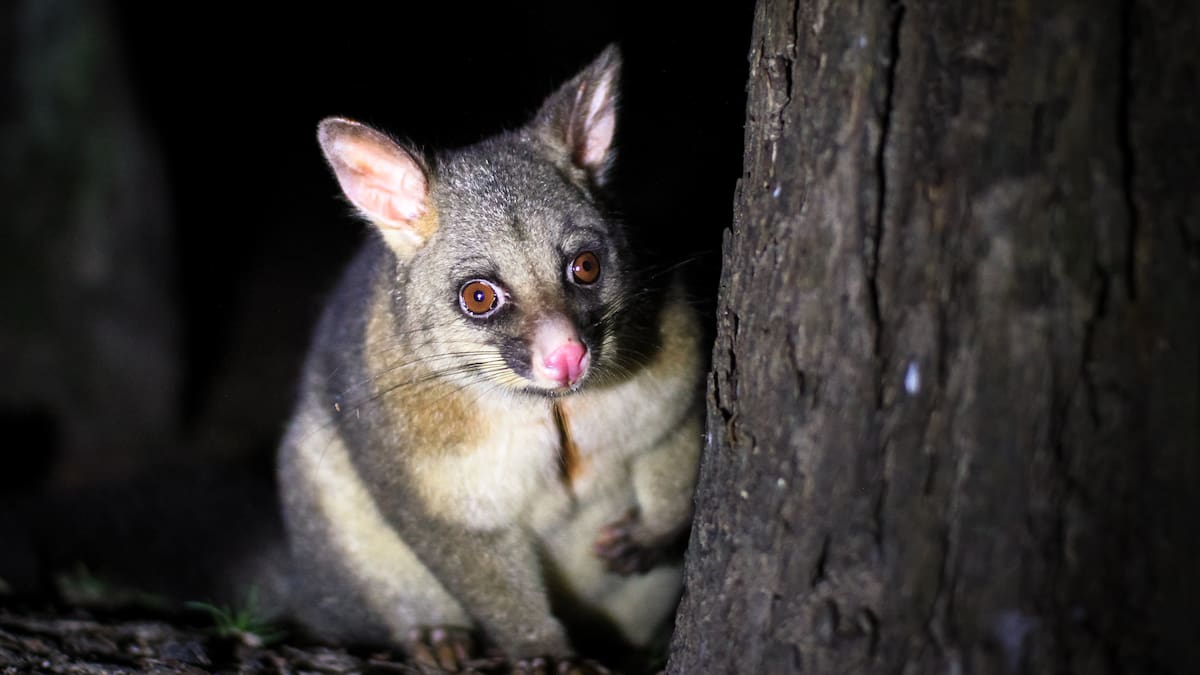
Brushtail possums, deer and wallabies were ranked the worst pests nationwide, though rats, Canadian geese, wild pigs and rabbits were major worries in some regions.
The group’s meat and wool chairman, Richard Dawkins, said there was a huge amount of hunting happening in rural New Zealand; however, farmers were reporting populations of pests such as deer were still increasing.
“Ninety per cent of farmers are engaging recreational hunters either themselves or friends or family, and a further 50% were actually getting outside help as well,” he said.
“So this is clearly not a problem where recreational hunting and weekend shooting can actually solve it.”
Rooting animals such as deer, wild pigs and goats were more common on sheep and beef farms than on dairy farms, where Canadian geese were the most common species.
Arable farms had greater numbers of rabbits, and problems with unlisted species such as birds and hares, though fewer deer, pigs or goats.
Pesky pests on-farm
Pest animals posed many problems for farmers, such as competition for pasture with their livestock, damage to infrastructure and the spread of diseases like tuberculosis or leptospirosis among livestock and workers.
Both those diseases were commonly spread by possums, which were present on nine in every 10 of the farms surveyed, and rats that were on nearly all of them.
Dawkins said one farmer reported losing $100,000 after a leptospirosis outbreak, believed to be spread by wild pigs, that led to pregnant stock having miscarriages.
“There’s the damage to infrastructure; damage to fences and gates, etcetera, by deer, pigs, goats,” he said.
“You then have the pasture that they’re consuming. So every kilo of grass that a wild animal eats, that’s a kilo of grass not actually going into your productive livestock.
“But then thirdly, you really have that risk of disease spreading across your farm with significant impacts.”
Sheep and beef farms experienced greater production losses from pests than dairy operations, with losses totalling an estimated $384m across all affected farms nationwide.
About 30% of farmers said they reduced their stocking numbers because of pests, especially sheep and beef, again in areas such as Tairāwhiti, Hawke’s Bay and Southland, Otago – believed to be correlated to deer and wild goat hotspots in these areas.
Dawkins said a national strategy to manage deer in particular was well overdue.
The Government announced in June it would fund three pilot projects to tackle wild deer on privately owned production land.
Established by the Ministry for Primary Industries, some $750,000 would support catchment groups in Rangitīkei, Wairarapa and North Canterbury to test ways to measure deer populations and assess their impact on farmland.
However, other groups, including the Game Animal Council, and University of Canterbury ecologist David Norton joined the call for a national deer strategy.
Looking to possums, Ospri managed the TB-free programme against bovine tuberculosis primarily for animal disease management.
The Department of Conservation also carried out controls to protect biodiversity, and regional and unitary councils developed and funded pest control, surveillance and enforcement, according to their regional pest management plans.
In the survey, farmers identified neighbouring forestry and Crown land as the main sources of pest reinvasion, rather than other farming neighbours.