

The cost of a comfortable retirement for older Australians has been revealed in new research showing more retirees are depending less on the age pension.
About 56 per cent of people aged over 65 now receive a Centrelink full or part pension, down from 70 per cent in 2012, according to the Association of Superannuation Funds of Australia (ASFA) .
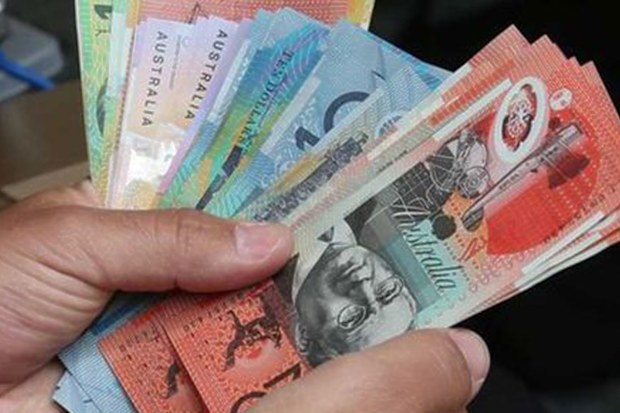
Australians aged 60 to 64 with super hold an average balance of $371,000, new research shows. AAP
The peak body says a buoyant superannuation industry is delivering older Aussies the savings they need for retirement, meaning they are depending less on the age pension.
Across all 1.32 million Australians aged 60 to 64 with super, the average balance is $371,379. For men in this age group, the average is $413,700, while for women it is $327,440.
ASFA chief executive Mary Delahunty says the figures show a maturing superannuation system is starting to deliver for retirees.
“Growing account balances are the product of two things: the fact that the superannuation guarantee has been increasing, and the strong investment returns that super funds have delivered to their members over a sustained period of time,” she said.
Introduced in 1992 to reduce the reliance on the taxpayer-funded age pension, compulsory superannuation forces employers to pay a proportion – currently 12 per cent – of their staff’s wages into a nominated super account.
The superannuation guarantee was paused at 9 per cent between 2002 and 2013, and only reached its full 12 per cent rate last year.

Fewer Australians are depending on the age pension to fund their retirement. 9News
How much super for comfy post-work life
ASFA says the cost of a comfortable retirement as $55,923 per year, or about $1071 a week.
Those figures are substantially higher than just over $600 paid to a single person under the age pension.
The relative poverty line for a single adult as measured by the Australian Council of Social Service and the University of NSW is $584 a week before housing costs.
“Super is the thing that helps people achieve a more comfortable lifestyle in retirement, where they might have private health insurance, for example, or where they can go out to eat and use the aircon in summer without financial worry,” said Delahunty.
AFSA forecasts fewer retirees will depend on the age pension in future years.
Independent analysis used in Treasury’s Retirement Income Review Final Report indicates the proportion of people over 67 receiving either the full or part Age Pension will fall to about 50 per cent by 2059.
ASFA research estimates since the super guarantee reached 12 per cent, a 30-year-old worker on the median wage with a modest balance of $30,000 is on track to retire with about $620,000.