
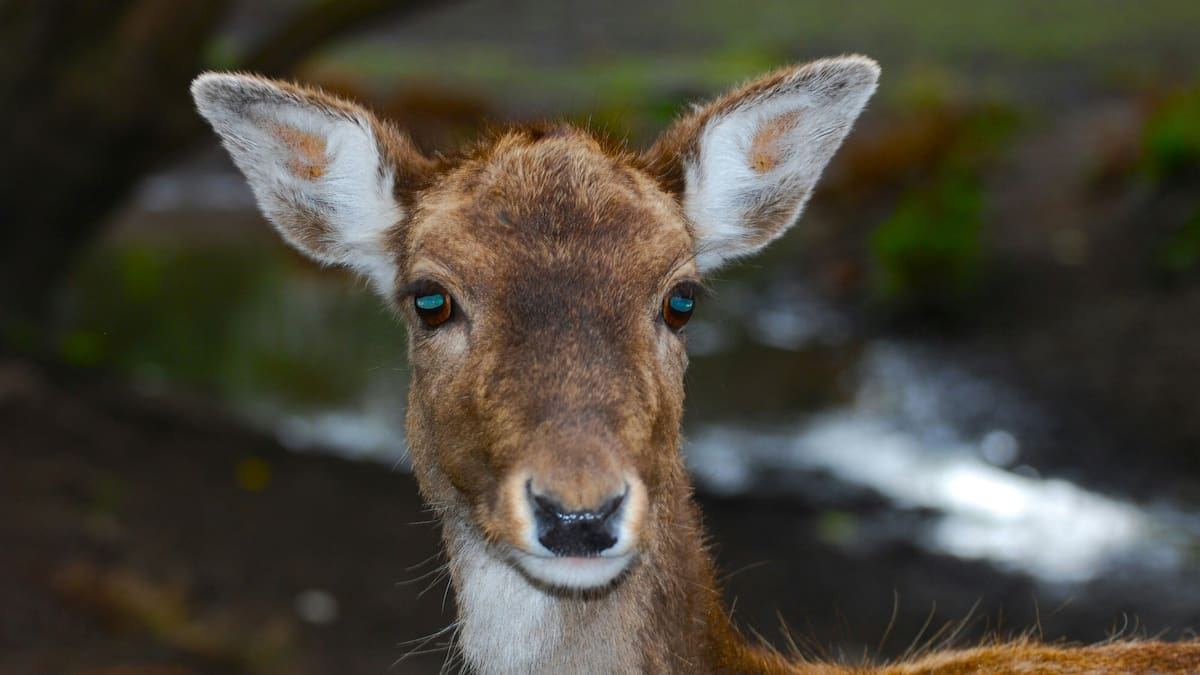
During the same period, several parties in the South Island were actively engaged in shooting wild deer in an effort to reduce their numbers and limit the damage they were causing to native vegetation.
More than 90 years later, the problem remains.
Deer continue to pose a significant challenge to the protection and regeneration of New Zealand’s native forests, highlighting just how persistent and difficult this long-standing issue has become.
Below is a selection of historical stories from the Wanganui Chronicle (1932) and the Levin Daily Chronicle (1935).
Damage by deer
Native bush destroyed
Government takes action
Wanganui Chronicle, February 5, 1932
The control of forest damage by deer is expected to be adequate, as a result of action taken by the Wild Life Council and the Government, according to a statement made in the annual report of the New Zealand Institute of Horticulture.
Early in 1930 the Government convened a meeting at Christchurch to consider the destruction wrought in our native bush by wild deer, the report states.
The gathering was a representative one, and decided that wild deer should be effectively controlled—if necessary, to the point of extinction.
Later in the year the New Zealand Forestry League convened a meeting to consider the question of wild life generally, with the result that a Wild Life Council (on which the institute is represented) has been formed, and this body should prove of great value in helping to secure the control of wild life in the best interests of the Dominion.
The Government has several parties actively engaged in the shooting of wild deer in the South Island.
The institute’s Hawke’s Bay Council drew attention to the damage caused by deer to the native bush in the vicinity of Lake Waikaremoana.
This matter was taken up by the recent conference of the institute, and has since been actively pressed by the executive.
The Government expects to have a shooting party operating at Waikaremoana in June next for the purpose of destroying wild deer in that locality.
Mr Oliver, the director of the Dominion Museum, made a recent visit to the Haurangi Range, east of Lake Wairarapa, and reported that the forest undergrowth there had been almost destroyed.
The interest aroused in the matter of the forest damage by deer should result in an adequate control being established and so put a stop to conditions which must ultimately have led to the destruction of the native bush.
Extermination of deer and wild goats
Legislative Council urges action
Levin Daily Chronicle, March 14, 1935
(By Telegraph—Press Association).
Wellington, Last night.
In the absence of Sir Francis Bell, Sir R. Heaton Rhodes moved that, in the opinion of the Council, the Government should take active and effective steps to exterminate deer and wild goats, which were doing irreparable damage to native forests, many of which, if not more zealously protected, would inevitably be destroyed.
Sir Heaton Rhodes said the motion had been tabled for the purpose of drawing attention to the damage done by deer and in order to bring about their extermination.
The destruction of forests by deer and goats was having a serious effect on the bird life of the Dominion, and from the point of view of the city dweller was destroying the bush on the watersheds from which the towns derived their water supply.
Hon, C. J. Carrington seconded the motion and urged the Government to combat the deer and goat menace immediately.
The damage done to New Zealand bush by wild animals was more extensive than most people believed.
Hon. F. Waite suggested that moose and wapiti should be destroyed, in addition to red deer.
Hon. J. Alexander said a small section of the sporting public might be inclined to think their privileges were being curtailed by the motion, but incalculable damage was being done by insidious public enemies to New Zealand’s natural heritage.
Hon. D. Buddo said the destruction of forests by deer was having a serious effect on the water supply of Canterbury.
Hon. G. J. Anderson said widespread damage had been done by deer on Stewart Island.
Hon. R. Masters said that since 1908 the amount spent by the Government on the destruction of deer had grown from £328 to £5186 in 1931.
For the current year, the estimate was £4000, and it was expected that the Government would obtain £2000 in revenue.
The Government was sympathetic with the objects of the motion.
The motion was carried.
– Source: Papers Past