
Location access is one of those permissions that everyone should take seriously. Not every app that requests it truly needs it. You may not think a mobile payments app like Google Wallet needs location access, but it actually enables some helpful features.
We’ve talked about how Google Wallet is for more than just mobile payments. Location access is one of the features that enables some of those extras. Here’s what you’ll lose if you decide not to grant the location request.
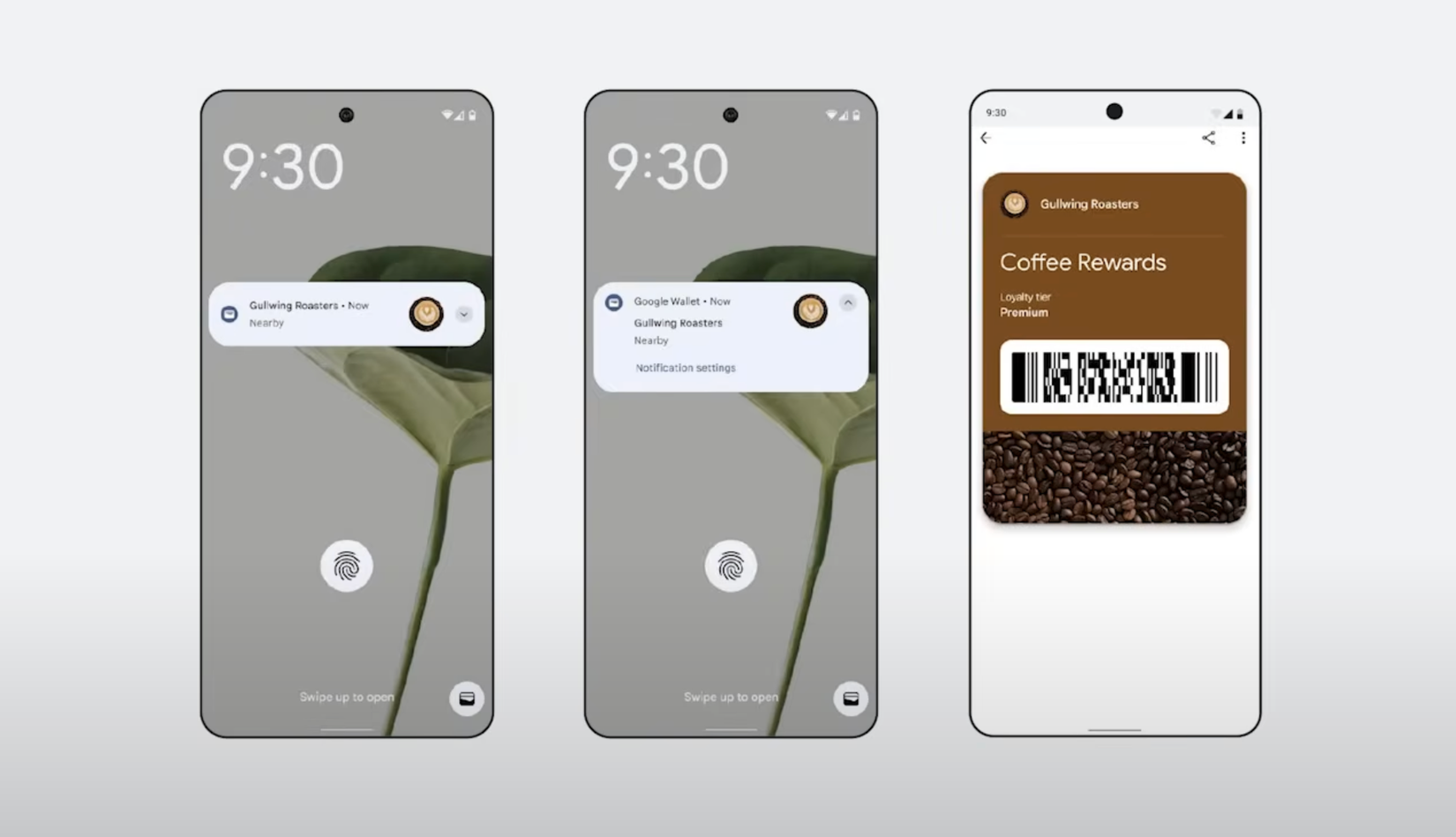
Nearby pass notifications
One of Google Wallet’s most convenient features
Credit: Google
Arguably, Google Wallet’s biggest purpose is not mobile payments—it’s passes, tickets, and loyalty cards. From boarding passes to sporting event tickets to membership cards, you can store all sorts of things in the Wallet app.
As useful as this is, it gets even better once you enable location access. When you’re physically near a location that’s associated with a ticket, pass, or loyalty card, it will appear in your notifications for quick access. For example, your ticket pops up when you enter the movie theater, or your Costco card as you approach the store.
Related
How to Make Your Own Custom Passes in Google Wallet
Google Wallet allows you to add a huge variety of passes and cards to it, making it easy to keep track of all of your things. But you can also make your own passes if you need to. Doing this in Google Wallet isn’t particularly difficult, but it’ll go even faster if you know the steps.
Detailed receipts
Adding the “where” to the “when”
Google Wallet is sneakily a pretty decent, albeit basic, finance tracking app if you use it for the majority of your purchases. However, it can be a bit more informative with location access.
By default, receipts for mobile payments show the business name, total amount, date of transaction, which card was used, and what type of device it happened on. Granting the location permission allows the app to also add precise location details to receipts as well. Not only will you know when the purchase was made, but exactly where it was, too.
Fraud prevention
Be alerted to rogue wallet usage
Credit:
Lucas Gouveia/How-To Geek
Technically, this one is part of Google Play Services, but it directly concerns Google Wallet. Location plays a big role in detecting credit card fraud—maybe you’ve gotten an alert after using your credit card on vacation in a different city. But not all cards have that service.
To be clear, there’s nothing you need to enable to make this work (unless you went out of your way to disable it). It’s simply a built-in feature that comes with having a Google Play certified Android phone. Should a digital transaction be made in a suspicious location with your account, you’ll be notified about it.
Local offers
Rare, but cool when it works
I already mentioned that Google Wallet can show passes, tickets, and cards when you’re near the physical location where they’re needed. This also works for coupons and other deals, though it’s not a frequent thing in my experience.
To ensure that you’ll get these offers when they’re available, you’ll need to select an individual loyalty card and go to its Settings page. If the card supports local offers, you’ll see a “Notifications” toggle. Make sure it’s enabled, and you should be good to go. Again, I’ve rarely seen this actually work, but, in theory, it does happen.
Making good use of location access
Lots of Android apps request location, but what they actually do with it greatly varies. Thankfully, Google Wallet at least attempts to make your life easier with handy location-based shortcuts. To ensure you get these features, open the Settings app on your phone, go to Apps > Google Wallet > Permissions > Location. For the best results, select “Allow all the time” and “Use precise location.”
Related
6 Google Wallet features I wish someone had told me about sooner
Google Wallet is one of those apps that many of us use every day. It’s so simple to set up that once you’ve added your payment card, you might never look at it again. Yet it has got several extra features that are incredibly helpful, but which you might never find if you don’t know where to look. Here are the ones I find most useful.