
The New Zealand Nurses Organisation (NZNO) delegate said she feared that speaking out would result in repercussions. RNZ agreed not to name her for this reason.
She said that on the overnight shift on Monday, August 17, the hospital escalated to “code red” several times.
Health NZ said code red in ED referred to the amount of pressure the department was under — based on waiting-room congestion, staffing skill mix, changes in care hours and the seriousness of the patient cases.
The nurse said one man had arrived in the evening and wasn’t admitted until about 6am.
“The only reason he was brought through then was because of him falling asleep and face-planting and they were checking him for any injuries,” she said.
The nurse said ED waiting times recently were extremely long — at times reaching 24 hours — although the peak was 18 hours more recently.
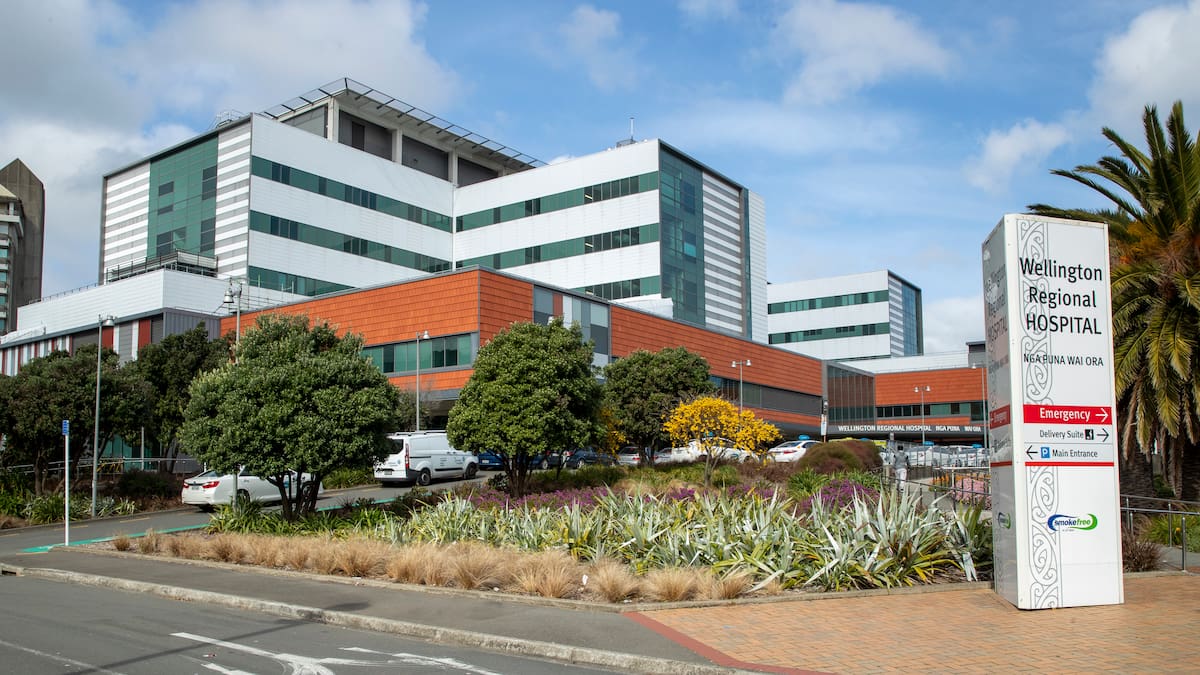
Staff at Wellington Hospital have spoken about being overwhelmed by the number of patients presenting to the Emergency Department.
In internal Health NZ documents RNZ has seen, the agency said in early August that some patients exceeded 24-hour waits in ED, with high numbers of patients waiting more than six hours, because of medical bed shortages.
Hospitals throughout the country have a target that 95% of patients are admitted, discharged or transferred from an Emergency Department within six hours.
Latest results from Health NZ, between January and March 2026, show Capital and Coast hospitals only met that target 57.6% of the time.
An ED summary shift report from a staff member from August 17 said the department that night was operating under “extreme pressure”, experiencing “significant and sustained over-crowding”.
A mental health patient locked themselves in the bathroom and self-harmed, the nurse said, while a member of the public walked in and threatened to “kill staff”, assaulting a security orderly.
Police confirmed to RNZ officers attended the hospital at 11.30pm over a report of disorderly behaviour — a person was arrested for breach of conditions, a spokesperson said.
Health NZ said it wouldn’t comment or confirm details about the specific patient incidents, without a privacy waiver.
The nurse said the hospital was full and bed-blocked that night, with at least 11 patients needing to be treated in corridors, although this was normal.
She said: “It’s just a s***show to work in at the moment. Lots of pressure.
“We’re getting high presentations, but the pressure’s coming from where we can’t get patients off to wards to free up our ED space, so that we can continue to see the new ones coming in.”
She said there could be up to 24 patients in corridors on other days, adding: “It’s awful, you know, and every day you’re seeing your corridors full and we’re all walking past these corridors. There’s no privacy for any of these patients.”
A Health NZ spokesperson said there were 27 fulltime nurse vacancies in the ED. In the coming months, 18 new nurses would come on board.
Michelle Sutherland, interim group director of operations for the region, said the hospital had 212 ED patients on August 17, following several days of high demand.
Winter was an extremely busy time for health services, so more patients were expected.
She said 66% of patients on August 17 were discharged from the ED within six hours, adding: “We acknowledge that a number of patients experienced very long waits. The longest waits tend to reflect particularly complex circumstances, rather than the experience of most people in the department.”
Brown said the current situation at Wellington Regional Hospital’s Emergency Department was not acceptable. “It continues to be one of the lowest performing in the country, and that is not good enough for patients or for staff.
“Our doctors, nurses and healthcare workers work incredibly hard every day, but they are operating in a facility that does not support safe patient flow or timely treatment.”
Brown said the Government had prioritised a redevelopment of ED in the Health Infrastructure Plan and work was underway across the hospital campus.
His office said additional beds had been provided, among other planning measures made for the winter season.
Space in the hospital has been a long-standing issue, with the redevelopment likely to be complete by 2029.
– RNZ