
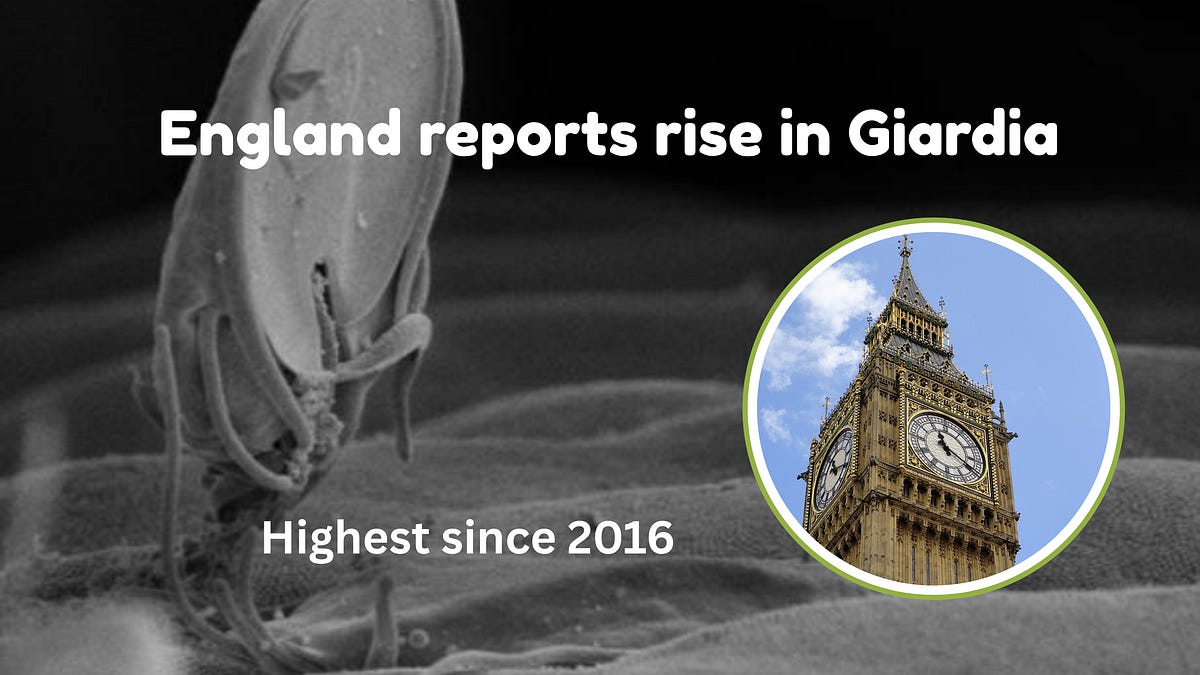
According to data from UK Health Security Agency (UKHSA), England saw a rise in infections with the protozoan parasite, Giardia intestinalis.
The UKHSA reports states, the number of Giardia laboratory reports in England rose from 5,450 cases in 2024 to 6,069 cases in 2025, an increase of 619 cases (11.4%); the number of laboratory reports in 2025 is the highest since 2016 and is above pre-pandemic levels.
The highest number of cases and rates of laboratory reports were in London, with 1,568 and 17.3 per 100,000 population, respectively.
The number of laboratory-confirmed cases reported each year returned to pre-pandemic levels in 2023 and has risen since.
Giardia: A ‘beaver fever’ primer
UKHSA states that it is likely that changes to testing – particularly the introduction of multiplex gastrointestinal infection (GI) polymerase chain reaction (PCR) testing – are contributing to recent increases in giardia, but other potential factors are being investigated including travel, climate and other environmental changes.
Giardia is a gastrointestinal illness, caused by a parasite called Giardia intestinalis. The most common symptom is diarrhea, which is often accompanied by abdominal cramps, bloating, burping, wind and weight loss. If left untreated, in rare cases, children can experience significant weight loss, malnutrition and stunted growth.
Giardia infection can be acquired in the UK as well as during international travel. It spreads through direct contact with infected people or animals, or by swallowing contaminated food or water. The infection can also be sexually transmitted. Infections are also seen in returning travellers from Southern Asia, South-Eastern Asia, Africa and South America. International travellers should take precautions when travelling abroad to reduce the risk of infection. This includes drinking bottled water rather than tap water and consuming cooked food rather than raw items such as salad vegetables washed in tap water.
Giardia: The most common intestinal parasite found in humans in the US