
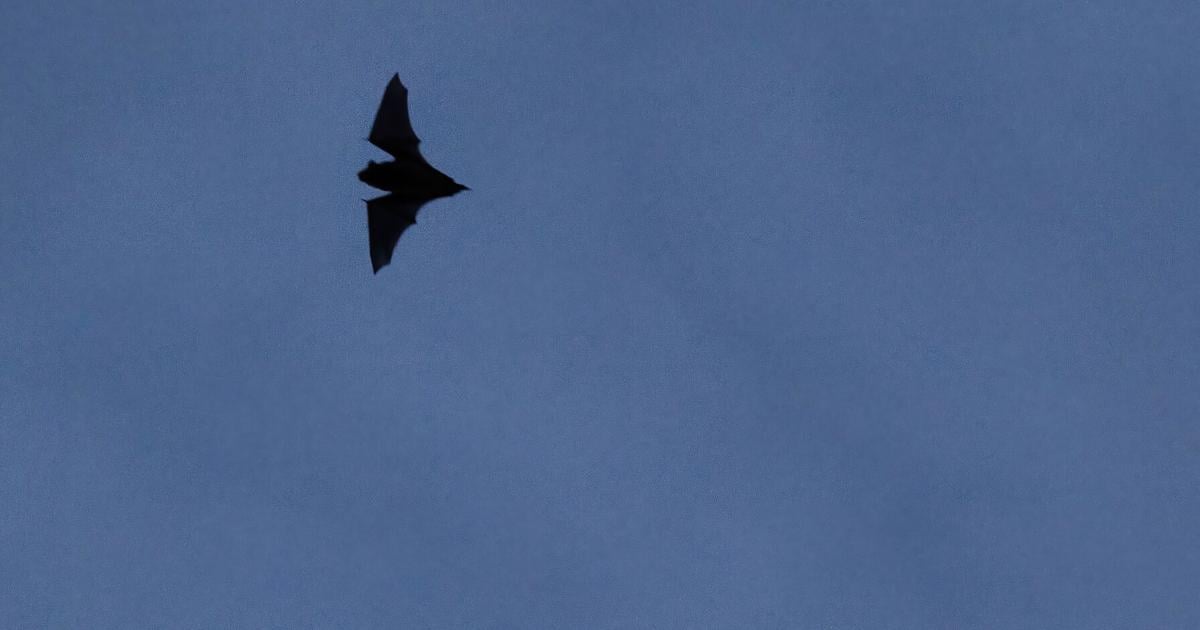
If you’re outside on a warm Charleston evening, you may notice small shadows darting overhead.
At first glance, they can look like birds swooping through the twilight. But chances are you’re watching bats begin their nightly shift.
South Carolina is home to 15 bat species, and 12 of them can be found in Charleston County. The winged creatures are particularly active during the peak of summer into the early fall, so it’s bat-spotting season.
The most common species found in the Charleston area are the Big brown bat, Brazilian free-tailed bat, Eastern red bat, the Evening bat and the Southeastern bat. Some species are red, while others sport yellow or silver fur.

The Evening bat, or Nycticeius humeralis, is one of 15 bat species that call South Carolina home.
SCDNR/Provided
“Almost anywhere, from urban to natural areas, bats can be seen at dusk,” said Jennifer Kindel, a state bat biologist with the S.C. Department of Natural Resources. “Simply find a place to sit with a view of the sky, and from 30 minutes before to 30 minutes after sunset, bats can often be seen flying across the sky.”
Nature’s pest control
Despite their spooky reputation, these nocturnal mammals are among the most beneficial animals in the state.
Every bat species found in South Carolina eats insects, feasting on mosquitoes, gnats, beetles and agricultural pests, often consuming their prey while in flight.
The Tricolored bat, or Perimyotis subflavus, is one of 15 bat species that call South Carolina home.
SDCNR/Provided
Bats provide more than $115 million in annual pest suppression services for the state’s agriculture industry, Kindel said. Large colonies of Southeastern bats along the coast can consume up to 50 tons of insects each year, including nine species of mosquitos that carry diseases like West Nile Virus.
One reason people mistake bats for birds is that both can be seen darting overhead around sunset. But their flight patterns are noticeably different.
“Bats tend to zig and zag while chasing insects,” said Kristina Wheeler, natural history interpretation specialist at Caw Caw Interpretive Center. “Bats never stop flapping their wings, where birds will glide or pull wings in to dive.”