
PORTLAND, Ore. (KATU) — Measles cases are climbing in Oregon as health officials warn the state could be at risk for a larger outbreak, driven in part by declining vaccination rates among children.
Oregon health officials are warning people about new measles exposure sites at hospitals in Portland and Gresham.
The Oregon Health Authority and Multnomah County Health Dept. say people may have been exposed at:
Randall Children’s Primary Care Clinic:
501 N. Graham St., Suite 250, Legacy Emanuel Medical Center, Medical Office Building 2, Portland, between 1:20 p.m. and 4:11 p.m., Tuesday, Aug. 25.Randall Children’s Hospital Emergency Department waiting room:
2801 N. Gantenbein Ave., Portland, between 3:21 p.m. and 5:23 p.m., Friday, Aug. 28.Legacy Mount Hood Medical Center emergency room waiting room and department:
24800 SE Stark St., Gresham, between 10:04 a.m. and 1:49 p.m., Sunday, Aug. 30.
State health officials say people should check their vaccination records and watch for symptoms, and if you aren’t immune they urge you to get an MMR vaccine as soon as possible.
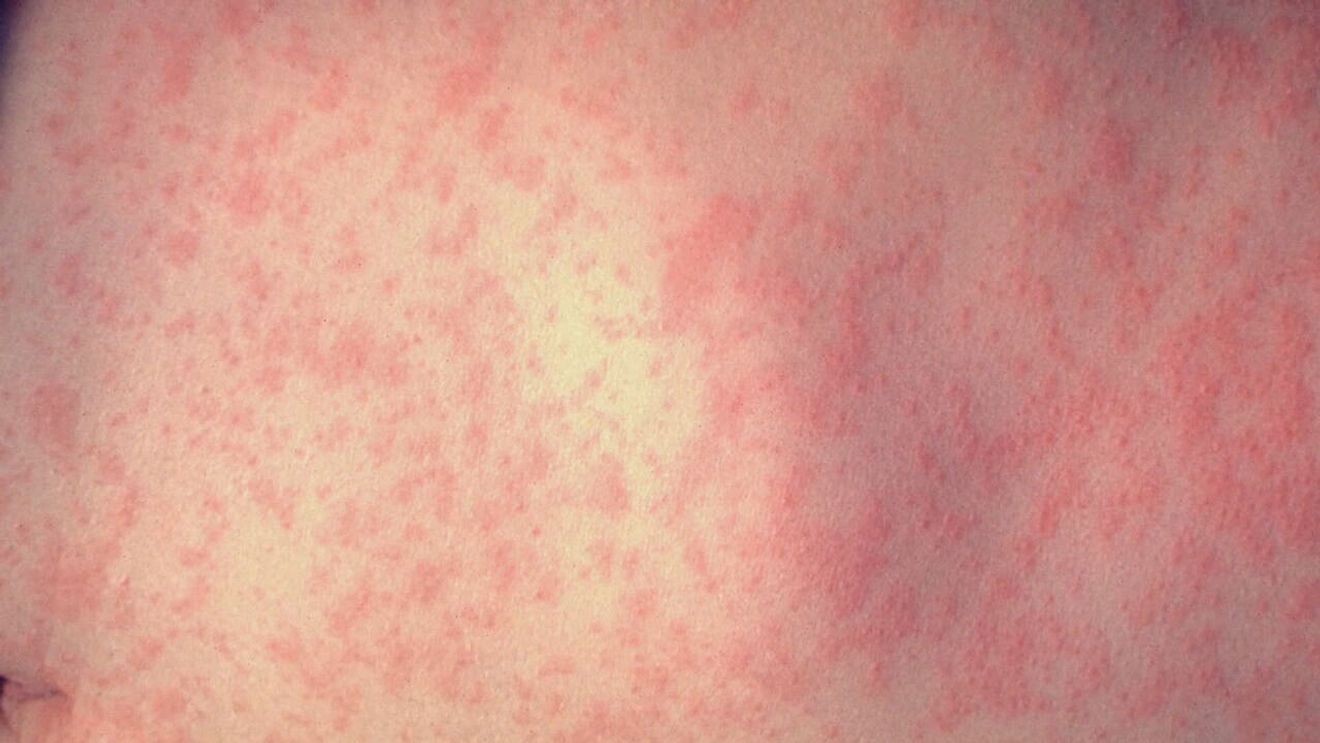
They say measles typically starts with a fever, cough, runny nose and red eyes. That is usually followed by a rash that starts on the face and spreads to the rest of the body.
The symptoms can start between a week and three weeks after exposure.
“Common complications of measles include ear infection, lung infection and diarrhea. Swelling of the brain is a rare but much more serious complication,” the OHA said. “Measles can be dangerous, especially among infants and children younger than 5 years old, adults older than 20 years, pregnant people, and people with weakened immune systems.”
If you think you or someone in your house may have measles, call your doctor ahead of time before showing up at a medical office to limit exposure to others.
You should call your doctor if you have a measles-like rash or have other symptoms and have also been exposed in the last 21 days.
Wendy Hasson, a pediatrician and medical expert with Legacy Health in Oregon, said measles is “at the highest number of cases that we’ve actually seen in 35 years.” She said the disease “had been eradicated by 2000 because we had such an effective vaccine,” but cases and outbreaks have grown year after year.
Hasson said Oregon is also seeing its highest number of cases, and that the Oregon Health Authority “has posted 50 cases.” She said 47 of those cases involved people who were not vaccinated. Hasson also pointed to a “big outbreak in Pennsylvania,” warning Oregon could be at risk of becoming “the next Pennsylvania, the next South Carolina,” with a “very, very, very large outbreak here in Oregon.”
Hasson said measles is among the most contagious viruses and can linger in the air for about two hours, raising concerns when infected people spend time in crowded public places. She cited a recent report coming out of the Canby Rodeo, and said health officials also worry about exposure in places such as hospital waiting rooms. She also referenced a case last year in Washington in which somebody was at an Apple Store when they were exposed to the disease.
The risk of a larger outbreak, Hasson said, is heightened because measles vaccination rates have been falling. She said Oregon’s measles vaccine rate for kindergarteners is the lowest it has been in recent times, with statewide coverage for children entering kindergarten at about 85%. Hasson said vaccination rates need to be higher than 95% to prevent community spread, adding that Oregon is “far, far, far below that” and that it is “actually getting worse every year.”
Hasson said confusion and conflicting messages are contributing to vaccine hesitancy.
“There’s a lot of confusing statements being said on the news from the administration and it’s really hard for people when you’re hearing a lot of conflicting information,” she said.
She encouraged people to talk with medical professionals they trust, including pediatricians, family doctors and internal medicine doctors, and to ask questions.
She said one common reason people skip vaccines is the belief they are no longer necessary because many families have not seen measles firsthand since it was eliminated in the U.S.
“We have been really lucky that since measles was eradicated people don’t have to see it in their everyday lives,” Hasson said. But she said that perception changes when cases appear locally, and people begin calling pediatricians and health departments seeking vaccination.
For people who are vaccinated, Hasson said the risk is very low. “So if you’ve had two measles vaccines it’s extremely, extremely, extremely unlikely that you will get infected by measles or have a serious consequence from it,” she said, adding that those with two doses who are exposed generally do not need to quarantine or seek treatment, assuming they do not have other health issues. In rare cases when vaccinated people do get measles, she said the illness is typically mild.
For people who are unvaccinated, Hasson said measles can spread quickly and lead to serious outcomes. She said that in a room of about 20 people where measles is in the air, “the vast majority of the unvaccinated folks are going to contract measles.” She said about 20% of those who get sick will need some form of medical care, including hospitalization, IV fluids or antibiotics, and that there can be deaths.
Hasson said measles can cause severe complications beyond the initial infection, including pneumonia, inflammation of the brain and deafness. She also said measles can have longer-term effects on the immune system, leaving people more vulnerable to other infections for weeks, months or even years after illness.
She also described a rare complication in which measles can remain dormant in the brain and later cause a fatal inflammation seven to 10 years after the initial infection, which she said is only seen in unvaccinated individuals. Hasson said “there was a preteen child in Texas who died of that complication last year.”
Hasson said the measles vaccine is safe, with side effects that are “extremely rare and mild,” and urged people to talk with their doctors about getting vaccinated to protect themselves and their communities.
You can find more information on the measles on the state’s website.
Multnomah County Health said families who don’t have a primary care provider can set one up at any of the county’s seven primary care clinics or nine student health centers by calling 503-988-5558 to make a new patient appointment.