
Doctors disheartened and exhausted at state of health system
Doctors say they’re disheartened and exhausted by the current health system, as they challenge politicians to work together on long-term reforms.
The Association of Salaried Medical Specialists (ASMS) held their annual conference at Wellington’s Te Papa museum on Thursday. The theme was “Hitting the target, missing the point”.
ASMS vice-president Sylvia Boys, who works in Middlemore Hospital’s emergency department, said working there resembled “scenes from overseas during the Covid era and during armed conflict”.
“It’s physically and mentally exhausting,” she said.
There weren’t enough beds – especially as the demand grew with an ageing population – and the three-year political cycle was ill-suited to long-term planning and reform, she said.
“My challenge to our politicians and especially going into this next election is to work together.
“As leaders of the country, we need people who are prepared to put the country’s interests first and to make a long-term plan.”
She said there also needed to be more focus on prevention, to ease pressure on the health system.
“Part of the difficulty is we know that 80 to 90 percent of health is determined by those social determinants rather than the health system.
“And you cannot fix 10 to 15 years of rough sleeping presenting with a chest infection with a course of antibiotics.”
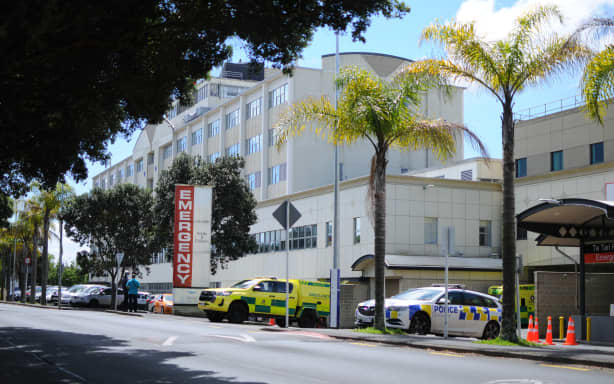
One doctor says working in Middlemore Hospital’s emergency department resembles “scenes from overseas during the Covid era and during armed conflict”.
LDR
She explained that social factors such as secure income, employment, housing, exposure to stress and healthy foods played a fundamental role in a person’s health.
Author and journalist Rebecca Macfie gave the keynote speech at the conference, which included her research on the intersection of poverty and health outcomes.
Her findings revealed that many children in high-equity index schools had difficulties with their hearing and sight.
She said that almost a third of the 18,000 children screened by NGO Painga Project needed to see an optometrist.
“If your household is crowded because that is your whānaus rational economic response to unaffordable rents and low incomes, the before-school check is very much less likely to screen you or see you.
“So those are some of the reasons why a child can end up at the age of 10 or 11 with some of their most fundamental health needs unmet – unable to see or hear properly,” she said.
ASMS member Tanya Wilton, who works as an emergency physician at Hutt Hospital, said she felt “ashamed” of the care provided to the elderly.
“It’s really disheartening to be in the position where you can’t provide what you would consider basic.”
She said she’d recently cared for a patient with a broken pelvis in their late nineties, whom she knew personally and admired.
“But that person spent 48 hours in a corridor on a trolley.”
ASMS President Katie Ben, who works as a consultant anaesthetist at Nelson Marlborough, said it was “very disheartening” to work in healthcare right now.
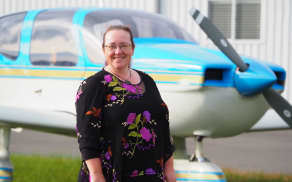
Dr Katie Ben
Matt Shand ASMS
“We don’t have enough staff, we don’t have enough beds, we don’t have enough nurses, we don’t have enough equipment, we don’t have enough protected infrastructure.
“We don’t have enough basic attention to the simple things that would make life work – an integrated IT system so that one hospital can talk to another.”
She revealed that she was receiving messages the morning of the conference to help organise cover.
“We carry on ’til we can’t. We get fed up with being told we have to cancel our long-standing family commitments. We get fed up because we have to work yet another shift.”
She called for a long-term workforce strategy that would allow patients to access the same quality of care regardless of their income and location.
Health minister ‘isn’t fit to hold the health portfolio’
Ben was critical of Health Minister Simeon Brown for not attending the conference.
Last year, he accused senior doctors of “crossing an ethical line” with industrial action.
“Yes, he was probably subject to some expressions of extreme disappointment from the audience but I respected that he showed up and fronted up to us,” Ben said.
“And for him not to even do that this year just makes me think this person actually isn’t fit to hold the health portfolio.”
The minister responded by saying the government had delivered a record investment in health, part of which included hiring hundreds more full-time doctors.
Simeon Brown said health targets were working and pointed to shortened wait times across the country.
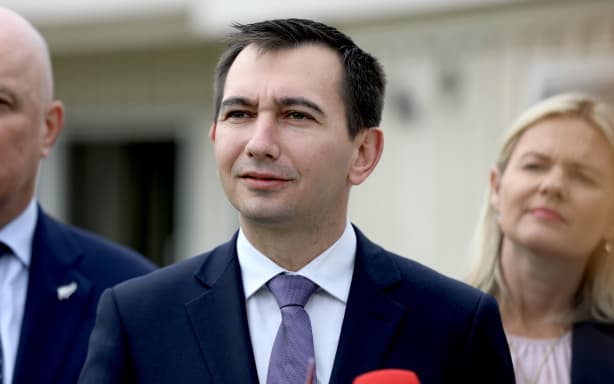
Health Minister Simeon Brown did not attend the conference in Wellington.
RNZ / Marika Khabazi
“There is more to do, and I welcome the call for cross-party collaboration. That’s why I am calling on all parties to commit to keeping these targets, so we can build on this progress and keep driving waiting lists down.”
He said he met with doctors regularly: “I value the chance to hear from them directly and I will keep doing so.”
A Health NZ spokesperson said it recognised the significant pressure clinicians faced and that it was committed to ensuring “the right workforce capacity and skill mix to deliver safe, high-quality patient care”.
The spokesperson said Health NZ was actively recruiting and developing domestic training pathways.
“Patient safety remains our priority, and we continue to use workforce planning, safe staffing and service management processes to maintain safe, high-quality care while addressing workforce challenges across the health system.
“We look forward to continuing to work with ASMS to get our workforce needs met for the long-term.”