
Farming lobby group Groundswell says the coalition Government’s resource management reform will be “unworkable”.
Environmental groups last week called for the two replacement bills to be dumped because they pulled regulations back too far; Groundswell, meanwhile, says the new bills don’t go far enough.
Minister for Resource Management Act Reform Chris Bishop says if both sides are complaining, it’s a sign that he’s struck the right balance – but the sides do agree the fundamental legal mechanisms of the new bills will make things more complicated, not less.
Groundswell was originally associated with the Taxpayers’ Union, a group with links to the Act and National parties. It has consistently supported right-leaning politics.
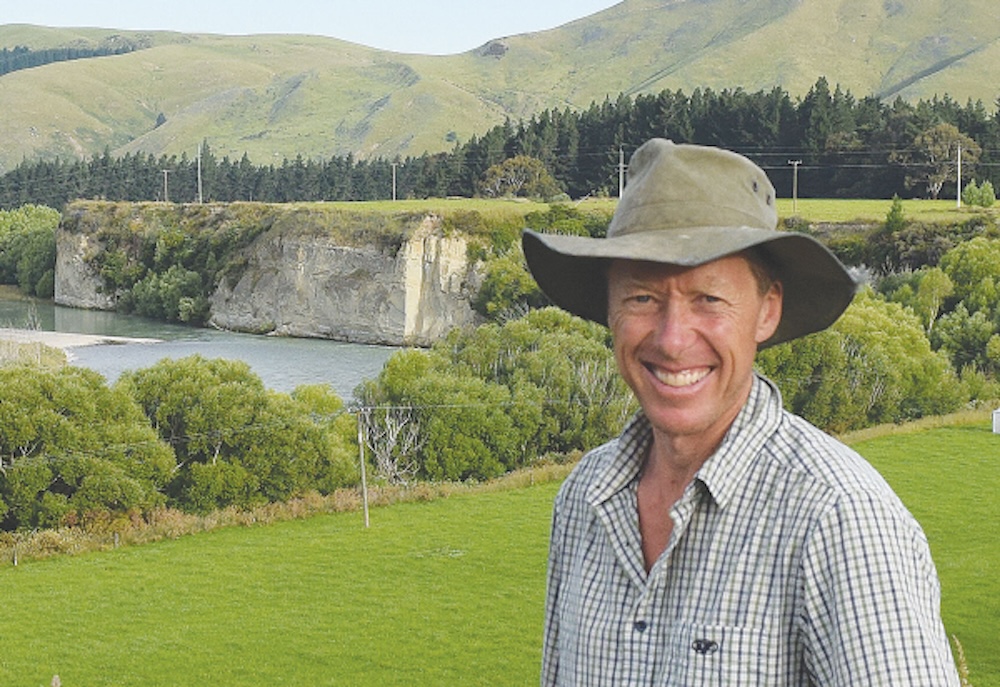
But the group’s environmental spokesperson, Jamie McFadden, says moving from the Resource Management Act into the new Planning and Natural Environment bills is “heading from one massive bureaucratic nightmare into another – just quite a different nightmare”.
McFadden strongly supported the coalition Government’s initial messaging around replacing the Resource Management Act, especially when it came to the “enjoyment of private property rights” meant to be at its core.
But when Bishop, and his undersecretary, Act’s Simon Court, presented the replacement bills in December 2025, McFadden was surprised with what he saw.
“One of our big concerns is the shift away from local decision making,” says McFadden.
The coalition Government campaigned as the champion of localism, but has since moved to abolish regional councils, mandate a rates cap, and influence development pipelines and direction via the resource management system – the legislation McFadden is warning farmers to be aware of.
McFadden says what’s needed is to “press pause” on the reform and go back a few steps. He says the Government “missed the boat a bit” by not going out to take stock of what was going on in local councils to support the environment outside of regulations.
In McFadden’s view, farmers are inherently environmentalists, and he says many local groups are making strides in environmentalism without a mandate from central government.
One of the mandates that could come under the new system is how different priorities (things like infrastructure development versus environmental health) are weighed up in decision making. This hierarchy would be set by the minister for the environment, a position subject to change at least every three years.
McFadden says he’s not worried about the power concentrated in this role – so long as the person holding it is from a National-led government.
“It would give us the absolute frighteners to have someone like David Parker given the powers that are being given to the minister under this new legislation,” says McFadden: a fear shared, in the other direction, by environmentalists.
Environmental groups share one major concern with Groundswell: that the fundamental design of the new system will result in something unworkable.
Groups like the Environmental Defence Society have told Newsroom a range of design choices will lead to more litigation, instead of less: a confusing hierarchy, unclear interactions with other legislation, and internal conflict created by splitting the resource management space into two bills.
McFadden summarises the same concerns: “it’s going to be a lawyer’s feast”, he says. He thinks the new legislation is not fit for purpose and is not going to work: “There’s no point in trying to push it forward.”
The two groups are not aligned on much else.
Groundswell’s concerns were raised in a statement on freshwater farm plans, a prospect McFadden says are a hidden bureaucratic expansion of enormous scale. He says many farmers will be worse off under the reforms than they were under the old system.
Greg Severinsen, reform director for the Environmental Defence Society, says Groundswell “appears to be advocating for complete industry self-regulation”, a position he says is completely untenable.
Severinsen says Groundwell’s position is “fairly extreme and doesn’t represent the views of New Zealanders”, while Bishop says Groundswell’s critique of freshwater farm plans is “inaccurate”.
Even with a private property focus, Bishop says “there does need to be regulatory oversight”.
When presented with criticisms from the two groups, Bishop suggests that if people from “both sides” were taking a swing at his legislation, that “probably indicates we’ve got the balance about right”. (McFadden disputes this characterisation, and says Groundswell represents a fairly moderate standpoint, while some environmental groups like Greenpeace are the extremists.)
The legislation is expected to pass its third reading and become law in the weeks before Parliament rises.