
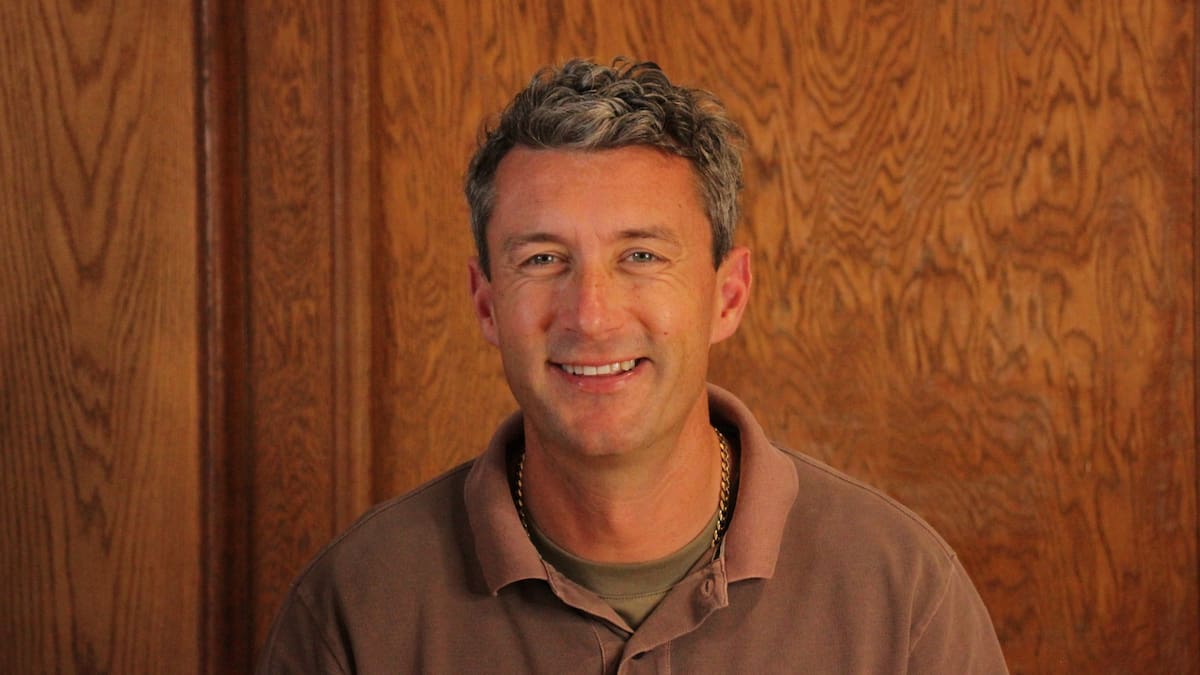
Greive, founder of The Spinoff website which hosts the podcast, told Media Insider he needed to turn his full attention to music start-up Lume, which he co-founded and launched in late May.
His first Fold podcast was broadcast in November 2019, some nine months after the launch of NZ Herald premium subscriptions and about six months after The Spinoff launched its own memberships.
His first interview was with Stuff chief executive Sinead Boucher – six months later, she acquired the company for $1.
In its seven years, The Fold has covered multiple seismic shifts in the media industry – driven by relentlessly changing audience habits, the influence of big tech in sweeping up advertising revenue, and a pandemic.
The number of New Zealand journalists has more than halved over the past decade. Most major news organisations have retrenched or restructured as they battle to recover lost revenue, and fight to find new business models and platforms that also match those audience demands.
Some newsrooms, such as Newshub, multiple community newspapers and magazines, and TV shows such as Sunday and Fair Go have gone completely.
Greive told Media Insider that it had been easier to produce The Fold when he was fulltime in the industry.
“Then when you get into this narrower part of it, and you’re not day-to-day, it requires more prep.
“I just could feel that something had to give. I felt like I had held to a decent sort of standard over time and the idea of just fading out wasn’t that appealing, so I thought, let’s just go out on our own terms.”
Greive will sign off from The Fold at the end of the month, closing a catalogue of more than 300 episodes, many of them deeply analytical takes on media industry strategies and moves, and interviews.
The Spinoff founder Duncan Greive. Photo montage / Oliver Rusden
Over the years, Greive has also been joined by the likes of Toby Manhire, Anna Rawhiti-Connell, Hal Crawford and Glen Kyne to help him dissect industry manoeuvres.
“It was a trade publication ultimately,” Greive said.
“It wasn’t necessarily for a mass audience, but it did feel at times like that – like a lot of people in media were listening to it.”
Greive’s media commentary isn’t totally lost. He will still join Manhire’s own relatively new Spinoff podcast, At Large, to discuss any major media stories.
Meanwhile, Greive said Lume had successfully launched in New Zealand – “we’re very pleased” – and he had been making several business trips to Australia in the past few weeks.
“There’s something about a startup that is just uniquely engulfing in terms of what it requires of you. In the last six weeks I’ve been to Sydney, Melbourne, Adelaide and Brisbane on Lume business.
“It’s been amazing, the reception for it. We launched well in New Zealand, and we’re very happy with how it’s performed.
“The big question which will define whether we can raise more capital, which is what we’re trying to do at the moment, is whether you can replicate it in other markets.
“We should have our first Australian releases in the coming weeks and, then we start to find out whether it’s going to be what we desperately hope it can be for, for artists.”
Editor-at-Large Shayne Currie is one of New Zealand’s most experienced senior journalists and media leaders. He has held executive and senior editorial roles at NZME including Managing Editor, NZ Herald Editor and Herald on Sunday Editor and has a small shareholding in NZME.