
The absurdity of a robot telling her what she’s good at while standing in the way of her putting those skills to work isn’t lost on Atkins.
“I’ve treated job hunting like a fulltime job, applying for one new role every single business day. As of today, that’s 331 job applications. I started tracking the data closely in July this year to see where my system may have broken – the reality is deflating.”
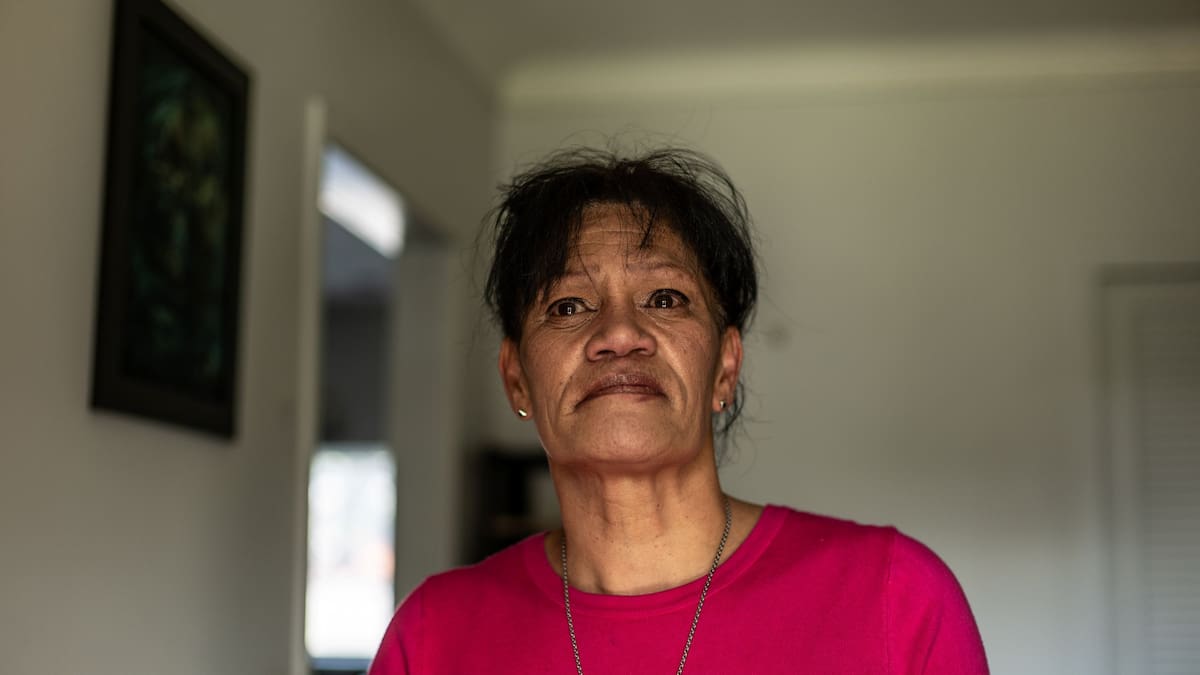
Karina Atkins says a lifetime of hard work “counts for zero in the modern algorithm” as she both embraces and battles AI in her search for a job. Photo / Jason Dorday
Atkins’ tracking showed 68% of employers she applied to “don’t even bother to send an automated ‘no’”.
And of the few who respond, 72% sent an immediate rejection, she said.
“I am adapting my CV variants, using AI to structure my cover letters and applying within hours of ads going live. Getting an interview is virtually impossible … it’s a struggle to get past the gatekeeper.
“How are everyday Kiwis expected to survive this loop when a lifetime of hard work counts for zero in the modern algorithm?”
Atkins, who had previously worked continuously since the age of 17 in a variety of roles including retail, banking and running a painting business with her former partner, most recently spent nine years in procurement and customer services for a road-marking manufacturer.
She cut her hours from fulltime to 25 hours a week to study her dream job, floristry, which she now saw as her “downfall” after the road-marking company laid her off a year later.
“Now I’m a qualified florist, but people aren’t spending money on flowers … unless it’s sympathy or birthdays, and the florists are doing the work themselves.”
She was offered a couple of minimum-wage jobs soon after being laid off but turned them down, Atkins said.
“When I look back now I think, ‘How foolish was I?’ But at my age, I’m worth more than that. And not just because of my age, but because of my experience, my life skills, my diligence, reliability and professionalism.”
She’s had around 20 job interviews, and done a few short-term temping roles.
Atkins also spent a week working for a “brilliant company” and a boss she respected but soon realised she couldn’t work for.
“[Working there you’re] part of a system where you were told what to eat and go health-conscious and all that, and I didn’t want to be part of that.”
Karina Atkins, who’s 53, began working at 17 and hadn’t been without a job for more than a week until she was made redundant last year. She has struggled to find work since. Photo / Jason Dorday
Since leaving the role Atkins has widened her skillset, getting her forklift licence so she can apply for warehousing jobs and doing courses for Ministry of Primary Industries roles.
Long gone are the days where she could print out her CV and knock on a few doors, never going more than a week without work.
To add to the financial strain, her partner has also been out of work since the start of the year, Atkins said.
They’ve dug a vegetable garden, improved their cooking skills, sold furniture and a car and don’t go out – and are keeping on top of the bills, so far – but she was aghast hearing news this week that some beneficiaries were being turned down for food grants.
“What the f*** is going on out there?”
Karina Atkins says she feels alone in her struggle to find work. Photo / Jason Dorday
She had also stuck to the routine of getting up at 6.30am every morning, watching Ryan Bridge TODAY daily so she was “in touch with what’s happening in the community”.
“I hear people going to work and I miss it, the feeling like I’m contributing to society. I don’t want to go out in public because I feel a bit ashamed.
“I don’t want sympathy, [but] are there others out there going through the same experience, because I’d love to hear from them. I feel alone.”
Cherie Howie is an Auckland-based reporter who joined the Herald in 2011. She has been a journalist for more than 20 years and specialises in general news and features.