
Every year, around 35 kilograms of plastic-packaging waste is generated per person, most of which is made from imported fossil fuels, according to EU estimates. Yet recycling as a business area has long been held back, due to a combination of low investment and stubbornly competitive petrochemical prices that have made virgin plastic cheaper than recycling.
Today, “there’s no solution where you can invest in a technology company and that will produce amazing results”, Bhargava said. That’s because companies involved in recycling work “in a value chain that is currently highly fragmented and not very efficient”.
With the packaging regulation deadlines looming, however, “the industry needs to get ready now”, Bhargava said.
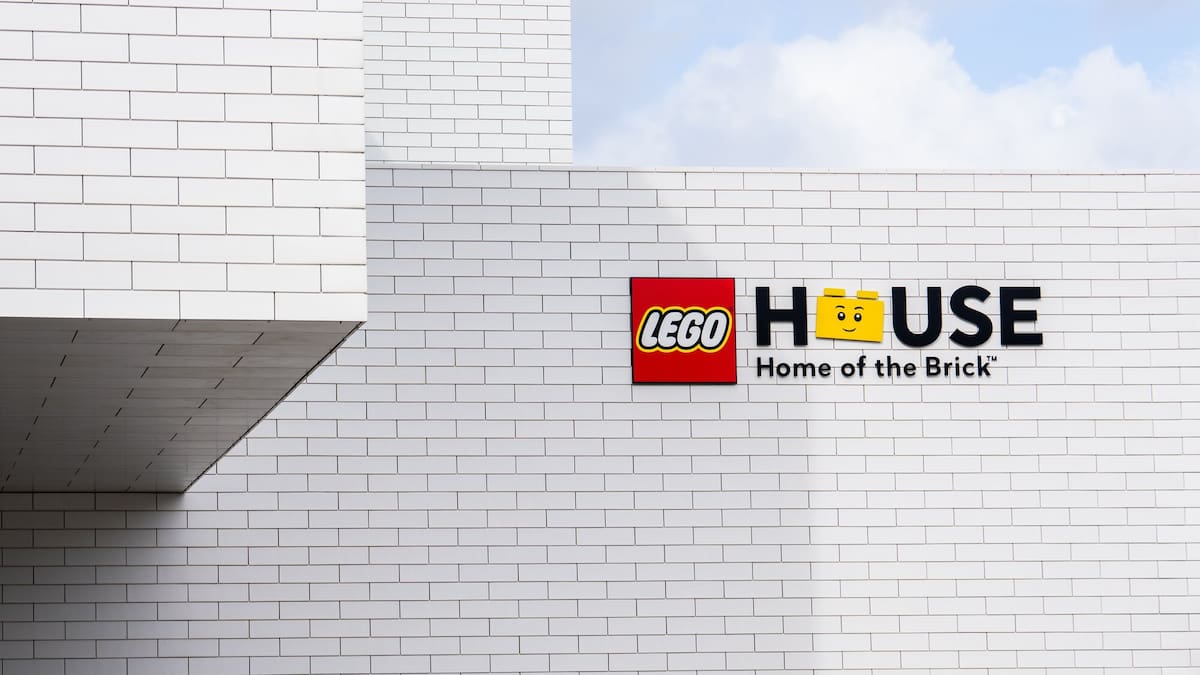
Kirkbi is the holding company of the Lego group whose colourful plastic building blocks are sold around the world. The company managed 189 billion krone (NZ$50.27 billion) in assets as of year-end.
Kirkbi Climate, which invests in the energy transition and land use in addition to plastics recycling, has 10 billion krone under management. Future investments would be roughly split between energy and recycling, with a focus on a handful of EU countries and plastics, Bhargava said.
After more than a decade of climate investing, the fund was now taking a more active approach, aiming for positions in companies large enough to have “real influence” on boards, he said. That follows a decision last year to carve out climate investments into a separate unit.
“The idea for the family was that if we’re going to help solve climate at scale, then we need to be a business builder,” Bhargava said. “And that means investing in a very different way.”
Sign up to Herald Premium Editor’s Picks, delivered straight to your inbox every Friday. Editor-in-Chief Murray Kirkness picks the week’s best features, interviews and investigations. Sign up for Herald Premium here.